BlazeSky
Gorgeous handcrafted star systems and a genuinely impressive soundscape carry this solo-dev space opera a long way, but repetitive missions and clunky navigation controls threaten to ground it before the credits roll.
GamerScout Verdict
Best for atmosphere-chasers who want a pretty solo space opera and can forgive thin mission variety and uneven weapon aiming.
Compare Prices(3 stores)
Every store in this table quotes us in euros, so the EUR figure is the price the seller actually set, not our arithmetic — which is why EUR is also the currency we rank in. We only list an offer here when the store gives us its price in euros, so nothing in this table is a number we invented.
Pick USD, PLN, GBP, CAD or AUD in the header and we convert from EUR at the European Central Bank reference rate — converted amounts are prefixed with ~. Your bank or the store may apply a different rate at checkout. We never hide offers based on where you are: everyone sees this whole table.
We may earn a commission when you buy games through links on this page — at no extra cost to you. It never affects our rankings or verdicts.
Price History
Screenshots & Media
About BlazeSky
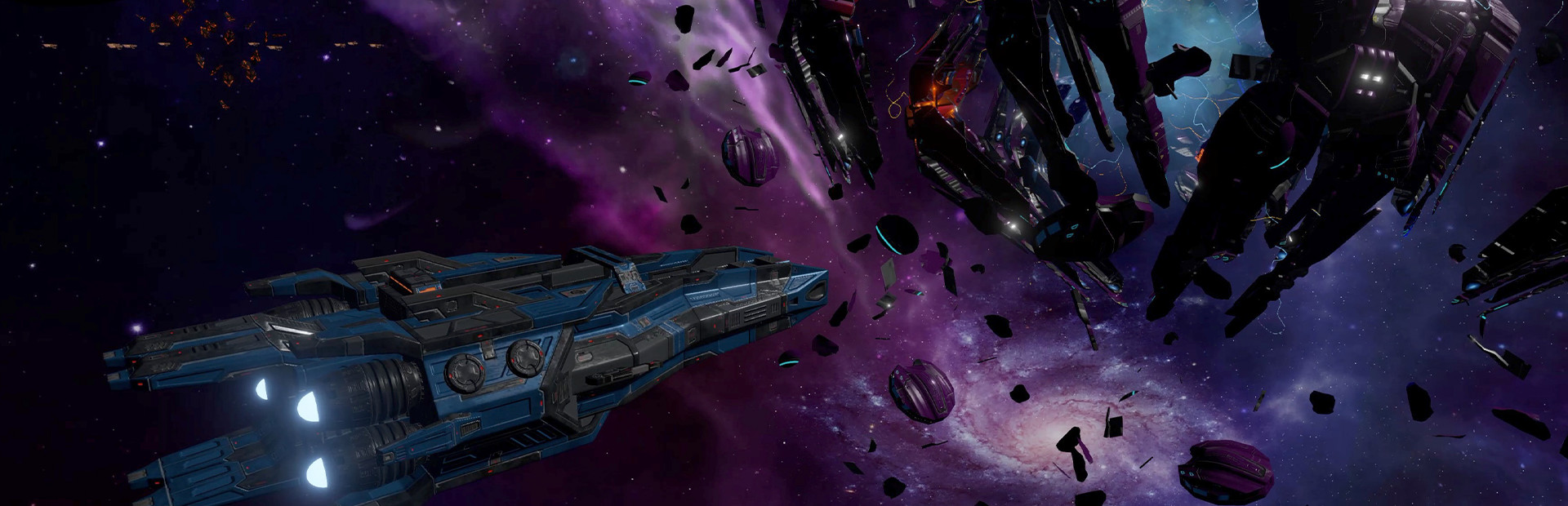
My first instinct when loading BlazeSky was to just stop moving and stare. Double Robot is effectively a single developer, and the fact that the game opens on a sweep of vivid nebulae, luminous planets and deep-space colour that would look at home in a AAA trailer is a minor miracle of solo craftsmanship. The handcrafted star systems have clearly been agonised over, and that care radiates through every skybox. If visual atmosphere were the whole scorecard, this would be an easy recommendation. The structure underneath that beauty is where things get complicated. BlazeSky runs on a 2D plane inside a 3D chase-camera shell, which gives it a cinematic look while keeping combat legible. You pick up missions from NPC ships and starbases, fly to the target system, and either scan objects or shoot enemy raiders. Research points earned from missions unlock new ships and weapons, and the ship roster is genuinely varied, with different hulls carrying distinct speed and health trade-offs. The starting homing missiles feel satisfying and snappy. Unfortunately, as you climb the tech tree, several weapons start firing noticeably off from where you aim, which saps the combat of precision right when encounters are supposed to be getting harder. Keyboard-and-mouse gives you finer control than a controller here, despite the controller support on the box. The mission loop is the game's biggest structural problem. Almost every quest follows the same beats: travel to system, position ship near object, scan it or eliminate a group of enemies, return. The dialogue choices exist and do carry a small role-playing flavour, but across the play time tested by critics, they don't appear to meaningfully alter story outcomes. The narrative ambition is there in concept, with a cast of roughly a dozen NPC allies spread across various starbases, full voice acting throughout a claimed 25-plus hours of content, and enemy factions that include both alien raiders and inter-dimensional marauders. The execution, though, struggles to make those factions feel like more than target markers. A handcrafted galaxy also means zero variation on a second playthrough, so the exploration high that opens the game doesn't regenerate. Where BlazeSky genuinely earns its place is in its soundscape. The audio work is exceptional for a project of this scale. Hyperdrive has a physical tug to it, comet fields carry an eerie ambient drone, and the score shifts between something hushed and ethereal and something orchestral and urgent at exactly the right moments. The voice acting is mostly strong, with the occasional rough edge that the budget probably made inevitable. For a player who values atmosphere and is happy to treat the missions as a framework for wandering through pretty space rather than a tightly authored story, the experience holds together. For anyone expecting a story that bites back, or combat that rewards precision over time, the cracks will show sooner. BlazeSky is the kind of indie that deserves acknowledgment for what one person actually built: a fully voiced, visually confident, genre-sincere space RPG assembled in roughly a year. The controls have received post-launch attention, and mouse support for abilities was added after release. Whether the mission variety gap ever closes is harder to say. Right now it sits best as a chill exploration game with a strong aesthetic identity and an ambitious soul that slightly outreaches its mechanics.

Indie & narrative
Tags
System Requirements
Minimum
- OS
- Windows 10
- Memory
- 8 GB RAM
- DirectX
- Version 12
- Storage
- 2 GB available space
- Graphics
- Intel Iris Plus Graphics 650
- Processor
- 2.8GHz Intel Core i5
Recommended
- OS
- Windows 10
- Memory
- 16 GB RAM
- DirectX
- Version 12
- Storage
- 2 GB available space
- Graphics
- NVIDIA 1060
Keep exploring
Community Discussion
Be the first to comment on BlazeSky.
Reviews & Ratings
No ratings available
Game Info
- Developer
- Double Robot
- Publisher
- Double Robot
- Release Date
- Sep 21, 2020