Black Mirror II
If the original Black Mirror felt like wading through fog, this sequel cuts through it, tighter puzzles, sharper atmosphere, and a gothic mystery that earns its slow burn.
GamerScout Verdict
Best for patient point-and-click fans who want gothic atmosphere and a story that rewards sticking through a rough first hour.
Compare Prices(7 stores)
Every store in this table quotes us in euros, so the EUR figure is the price the seller actually set, not our arithmetic — which is why EUR is also the currency we rank in. We only list an offer here when the store gives us its price in euros, so nothing in this table is a number we invented.
Pick USD, PLN, GBP, CAD or AUD in the header and we convert from EUR at the European Central Bank reference rate — converted amounts are prefixed with ~. Your bank or the store may apply a different rate at checkout. We never hide offers based on where you are: everyone sees this whole table.
We may earn a commission when you buy games through links on this page — at no extra cost to you. It never affects our rankings or verdicts.
Price History
Screenshots & Media
About Black Mirror II
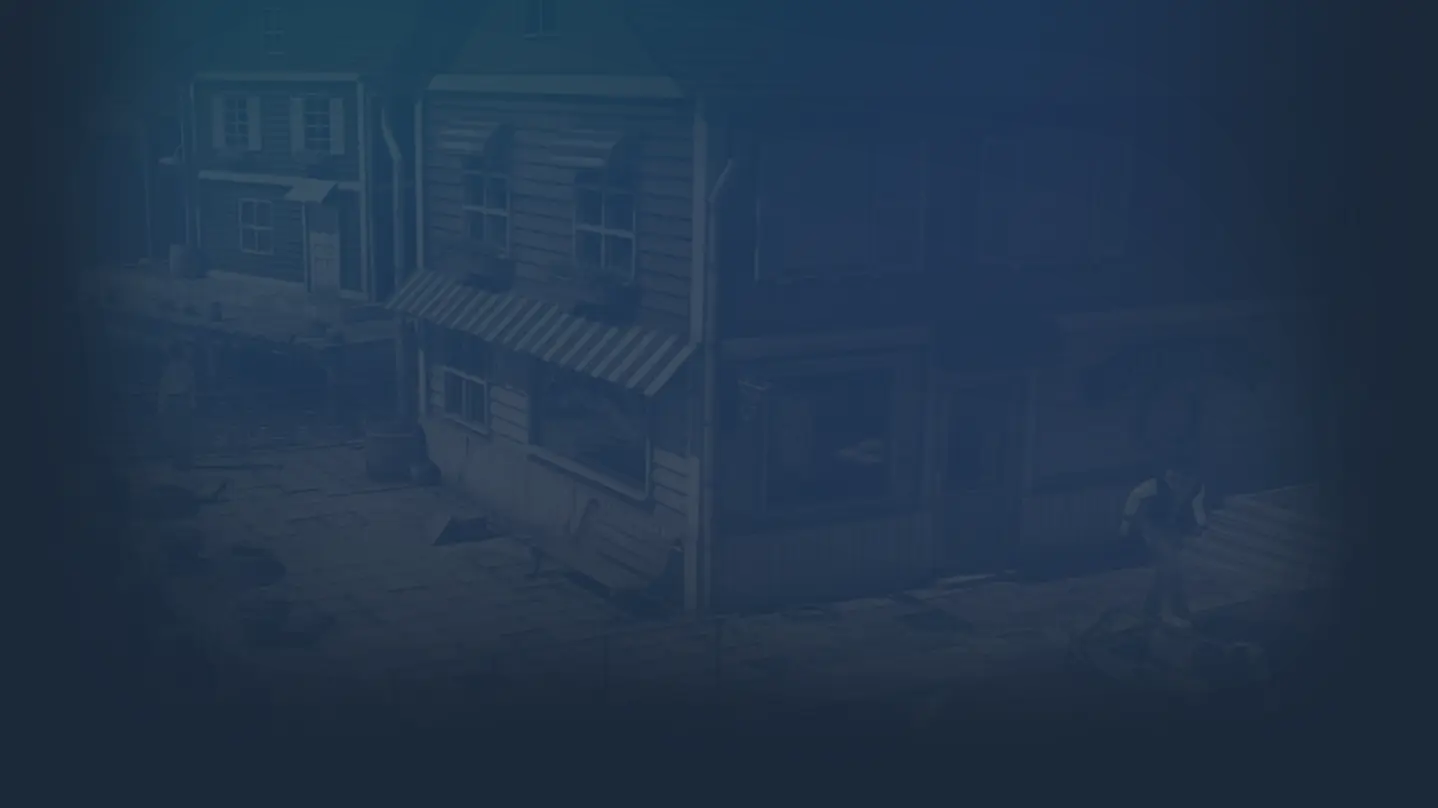
My first hour with Black Mirror II had me skeptical. The opening is set in a scruffy small-town photo shop in 1993 Maine, and the game takes its sweet time before anything genuinely unsettling crawls out of the woodwork. Push past that slow start, and what opens up is a confidently told third-person point-and-click mystery, one that improves on virtually every part of what its predecessor established. You play as Darren Michaels, a physics student working a dead-end photography job when a mysterious woman named Angelina blows through town and kicks off a chain of murders, nightmares, and a trail that eventually drags Darren from coastal Maine across the Atlantic to the dripping-grey English village of Willow Creek. The story is told in six acts, crossing two distinct locations that feel genuinely different in tone, the laid-back seediness of Biddeford versus the oppressive, rain-soaked dread around Black Mirror Castle. The atmosphere is the game's strongest hand, and it plays it well. The 2.5D visual style, 3D characters against richly animated 2D backgrounds, with smoke drifting from chimneys and storm clouds rolling overhead, holds up better than you might expect from something this old, because the art direction is doing real work. Puzzle-wise, expect classic point-and-click inventory logic: combining items, exhausting dialogue cards to unlock the next story beat, occasional standalone logic puzzles like safecracking and a suspect facial-composite minigame. Darren's background as a physics student and photography enthusiast is actually woven into the solutions, improvising darkroom chemicals or applying basic mechanics to a problem feels grounded rather than arbitrary. There are two difficulty modes; Easy mode will auto-solve puzzles after repeated failures, which is a sensible concession for players who care more about the story than the friction. A postcard-based fast travel system keeps backtracking manageable, though the game does lean on fetch-and-report loops a bit too heavily mid-game. Hotspots can also be tricky to spot in the detailed backgrounds, but a highlighter button reveals all interactive objects in a scene and removes a lot of the pixel-hunting frustration that plagued older games in the genre. The rough edges are real. Darren himself is divisive, his chip-on-the-shoulder attitude and heavy Boston accent either read as believably grumpy or relentlessly irritating depending on your tolerance. Some players find him endearing in a reluctant-hero way; others bounced off him hard within the first hour. The voice audio can also run quiet, and the lip-sync is non-existent, which is a production quirk you either tune out or don't. The ending arrives abruptly and functions as a setup for Black Mirror III rather than a proper resolution, so go in knowing this is the middle chapter of a trilogy, not a standalone. That said, the story momentum in the back half is strong enough that the cliffhanger lands with actual weight rather than feeling like a cheap cut. For anyone who played the first game and wanted more of the same but better executed, this delivers. For newcomers to the series, it works well enough on its own, though playing Black Mirror I first adds context that makes the Willow Creek sequences hit harder. At somewhere between eight and fifteen hours depending on how often you consult a guide, it's a reasonable commitment for a story-first adventure with genuine gothic atmosphere and puzzles that mostly respect your intelligence.

Catch-all
Tags
System Requirements
Minimum
- Processor
- 1.4 GHz Pentium IV or faster
- Memory
- 512 MB RAM
- Graphics
- 128 MB VRAM
- DirectX
- Version 9.0 Hard Drive: 2 GB available space
- Sound Card
- DX9
Keep exploring
Community Discussion
Be the first to comment on Black Mirror II.
Reviews & Ratings
Game Info
- Developer
- Cranberry Production
- Publisher
- THQ Nordic
- Release Date
- Apr 2, 2014
