Batora: Lost Haven
Batora has one genuinely clever idea at its core - a dual-nature combat system that forces constant sword-to-projectile switching - but the choice-driven RPG ambitions wrapped around it never quite deliver the weight they promise.
GamerScout Verdict
Best for action-RPG fans who want a short, visually stylish planet-hopper and can look past writing that promises more moral weight than it delivers.
Compare Prices(10 stores)
Every store in this table quotes us in euros, so the EUR figure is the price the seller actually set, not our arithmetic — which is why EUR is also the currency we rank in. We only list an offer here when the store gives us its price in euros, so nothing in this table is a number we invented.
Pick USD, PLN, GBP, CAD or AUD in the header and we convert from EUR at the European Central Bank reference rate — converted amounts are prefixed with ~. Your bank or the store may apply a different rate at checkout. We never hide offers based on where you are: everyone sees this whole table.
We may earn a commission when you buy games through links on this page — at no extra cost to you. It never affects our rankings or verdicts.
Price History
Screenshots & Media
About Batora: Lost Haven
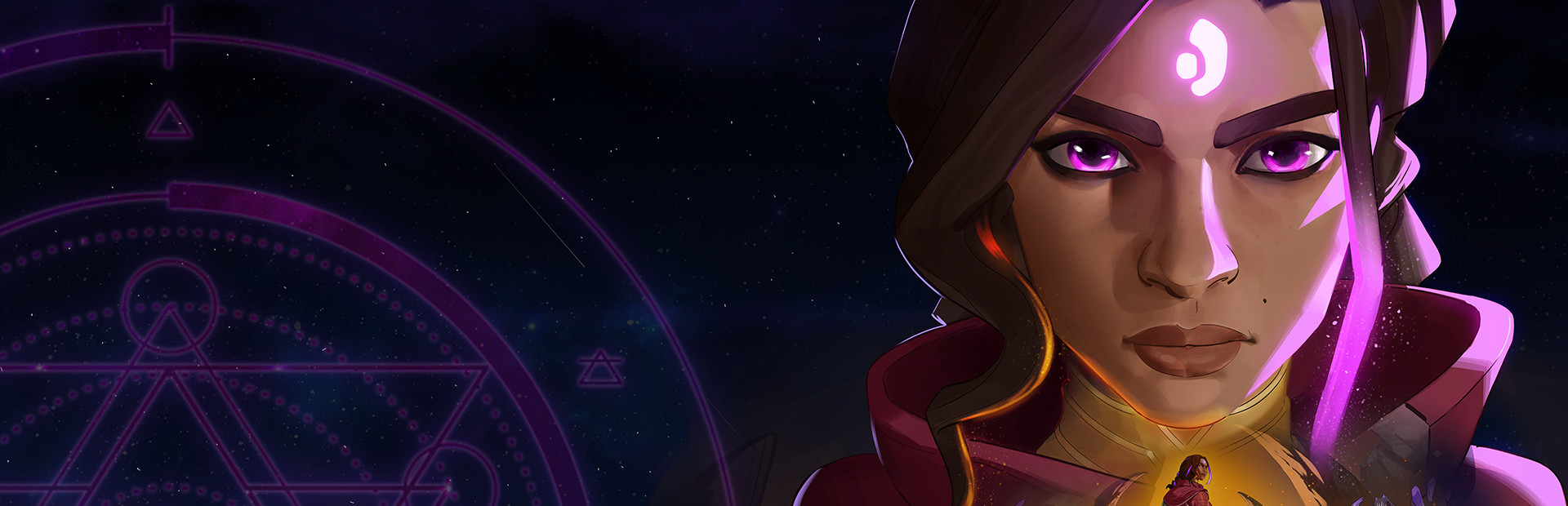
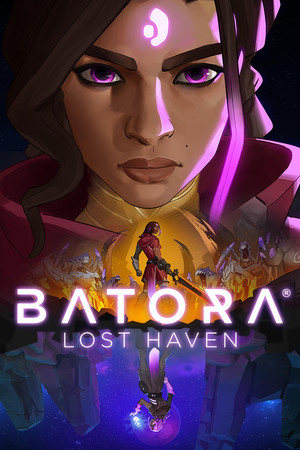
I went into Batora: Lost Haven hoping it would scratch the itch that isometric action-RPGs with real moral stakes can scratch so well. Stormind Games, previously known for survival horror, swings hard here with a duality concept that runs through every layer of the game: Avril, a teenager chosen by cosmic deities Sun and Moon, wields two Natures - a Physical form with a heavy sword for up-close melee, and a Mental form that fires projectile volleys like a twin-stick shooter. Enemies are color-coded orange or purple to signal which Nature they are vulnerable to, and you can tune the Nature Match Rule difficulty setting to let wrong-color attacks deal reduced damage, partial damage, or no damage at all, giving the whole thing a surprisingly flexible difficulty dial. Switching is instant, boss fights demand you balance dual health bars within a time limit or watch them regenerate, and when it clicks it genuinely feels energetic. The problem is that this smart mechanical idea runs out of room fast. Enemy variety is thin - you spend most of the eight-to-ten-hour runtime fighting variants of the same orange or purple archetypes, and the handful of hybrid enemies that keep you on your toes are the exception rather than the rule. The Rune system, which lets you socket stat-altering glyphs onto Avril, looks interesting on paper but bottoms out at incremental number adjustments rather than meaningful build pivots. Your Karma Alignment, split between the forceful Conqueror path and the measured Defender path, does gate which Rune slots you can fill - a thematically tidy idea - but in practice most players will commit to one path early and coast, since straddling both just means fewer slots unlocked either way. The narrative ambition is where Batora courts the most debate. The planet-hopping structure sends Avril and her friend Mila to four alien worlds to absorb planetary Cores, each with its own factions and moral dilemmas. On paper that is a compelling setup for consequential choices; in execution, pacing torpedoes it. You barely spend an hour or two on each world before the story yanks you forward, which means you are being asked to make significant decisions about characters you met fifteen minutes ago. The writing does land some heavier punches in the second half, where the game drops its quippy YA-protagonist energy and leans into genuinely darker consequences - but the tonal whiplash is real, and not everyone will hang around long enough to feel the payoff. The Defender or Conqueror branching does lead to multiple endings and New Game Plus, which adds some replay argument, though the world variety is not strong enough to make a second run feel substantially different. What holds up well throughout is the visual presentation. The cartoonish but detailed alien biomes look distinctive, the visual-novel-style portrait art during story beats is expressive, and the voice acting for Avril and Mila carries genuine weight when the script stops trying to be witty and starts being honest about the stakes. The soundtrack has real highlights in the battle tracks. These are the parts of the game where you feel the effort and intention behind it. If you are an RPG player who lives for deep build variety and writing that earns its emotional beats over sixty hours, Batora will feel underdressed. If you want a contained, visually striking action game with a genuinely novel combat hook and can forgive a story that almost gets there, the runtime is short enough that the disappointment does not overstay its welcome. Lower your expectations from "choice-driven RPG" to "stylish action romp with moral window dressing" and you will have a more honest time with it.

RPGs
Tags
System Requirements
Minimum
- OS
- Windows 10 (64 bit)
- Memory
- 8 GB RAM
- DirectX
- Version 11
- Storage
- 18 GB available space
- Graphics
- NVIDIA GeForce GTX 1650 or AMD Radeon RX 580 with 4 GB VRAM minimum
- Processor
- Intel Core i5-4690 @ 3.5 GHz or AMD FX-8320 X8 @ 3.5 GHz
- Sound Card
- Windows Compatible Audio Device
Recommended
- OS
- Windows 10 (64 bit)
- Memory
- 16 GB RAM
- DirectX
- Version 11
- Storage
- 18 GB available space
- Graphics
- Nvidia GeForce GTX 1070 8 GB or AMD RADEON RX VEGA 56 8 GB
- Processor
- Intel Core i7-8700k or AMD Ryzen 5 3600X
- Sound Card
- Windows Compatible Audio Device
Keep exploring
Community Discussion
Be the first to comment on Batora: Lost Haven.
Reviews & Ratings
No ratings available
Game Info
- Developer
- Stormind Games
- Publisher
- Team17
- Release Date
- Oct 20, 2022