Compare Base One prices across 50+ stores and find the best deal. Developed by PixFroze. Published by Blowfish Studios. Released on 5/11/2021. Available on PC, Mac. Genres: Simulation.

A Planetbase-inspired space station manager with crew RPG traits and resource juggling that shows genuine promise, then trips over its own AI and an over-extended tutorial.

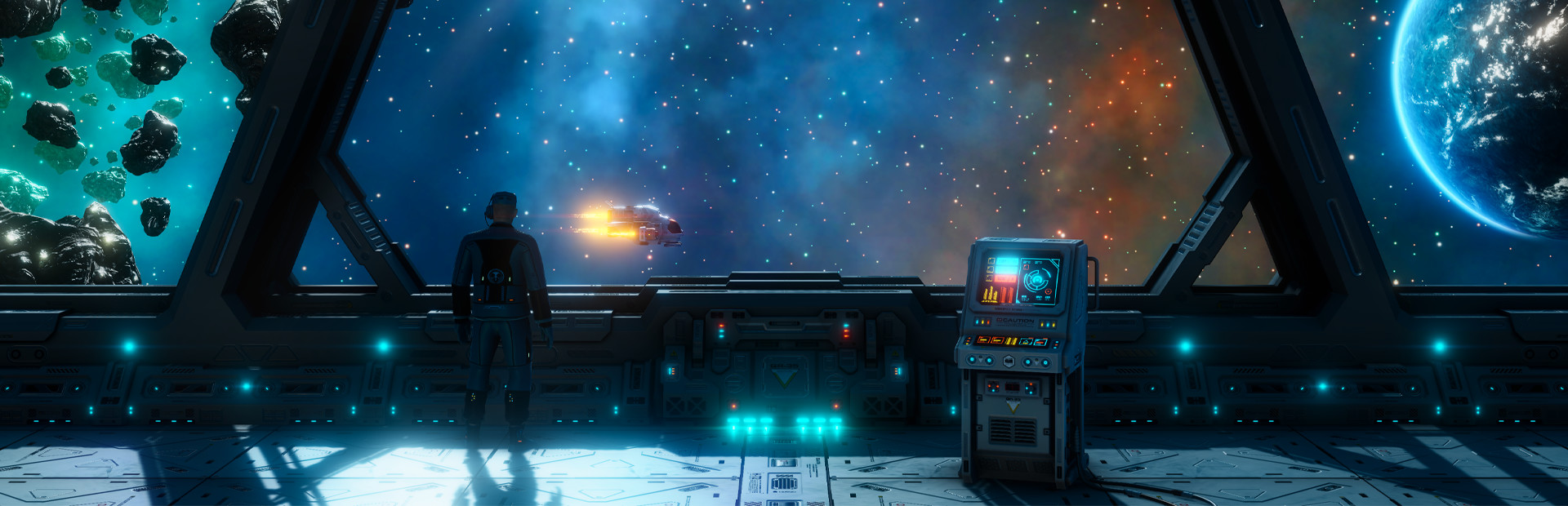
I went into Base One expecting a mid-tier Planetbase clone, and that is roughly what I got, though the cracks run deeper than the screenshots suggest. The core concept is solid: you command a network of modular space stations, balancing oxygen, heat, power, and water across every module in the grid while your crew goes about their routines. Each module slots onto a hub via passageways, and finite internal space means you are making real triage calls early, deciding whether that life support bay gets a second battery or another E.L.D. unit before solar drops out at night. That power micromanagement in the early-to-mid game is actually the most engaging stretch of the whole experience. The crew layer adds personality on paper. Every crew member carries unique jobs, traits, and personalities, both helpful and harmful, and selecting the right mix for specific station tasks is where the RPG framing earns its keep. There is also a tech research tree with branches covering quality-of-life improvements, defensive systems for asteroid and pirate threats, and efficiency upgrades for the station network. The defense layer lets you toggle cannon modules between auto-fire and manual targeting against incoming asteroids and space pirates, though more than a few reviewers found that side of the loop more distracting than tense. The connection system for devices deserves a mention too: every battery, life support unit, and heating element needs to be wired correctly into the network, which creates satisfying early-game puzzle moments but also surfaces the AI's worst habits. Reports of crew members ignoring critical oxygen warnings to water plants, standing idle while tasks pile up, and pathfinding that needed emergency patches within days of launch are not isolated complaints. They represent a systemic problem that the developer acknowledged and patched, though the Steam review score sitting well below 40 percent positive suggests the fixes did not fully land. The campaign structure compounds the problem. Both chapters lean so heavily on objective hand-holding that the game effectively runs a very long tutorial before it trusts you with meaningful decisions. The Custom Game mode, where you set your own conditions and goals from the start, is honestly where Base One reveals whatever depth it has. The story that frames the campaign has an interesting socio-political backdrop involving corporate interests and the Earth Global Union, but the voice acting is flat and the pacing in mission briefing screens is slow enough to kill whatever narrative momentum exists. For strategy and sim players specifically: Base One sits closest to Planetbase in feel, which the developer openly acknowledged as a direct inspiration. If you burned out on Planetbase's lack of variety or want a space-station framing with crew personalities added on top, there is a narrow window here where this works. The isometric presentation is clean, module designs read clearly at any zoom level, and the atmospheric soundtrack does its job without demanding attention. The camera being locked on the vertical axis gets old faster than it should. Mac buyers on Apple Silicon hardware should also note that M1 and M2 chips are not supported. Bottom line: Custom mode is the only reason to spend time here, and even there the AI unreliability and shallow late-game progression will frustrate anyone who has spent serious hours in Surviving Mars or Oxygen Not Included. Approach this as a casual, low-stakes session game rather than a deep systems sim, and your expectations will align with the actual product. Diego, Scout Team

Base One
Simulation

Base One

May 11, 2021PixFrozeBlowfish Studios
GamerScout Says

A Planetbase-inspired space station manager with crew RPG traits and resource juggling that shows genuine promise, then trips over its own AI and an over-extended tutorial.

PCMac
Best Price Available
0.00
at N/A
Historical low: $2

Compare Prices(0 stores)

Loading prices...

We may earn a commission when you buy games through links on this page — at no extra cost to you. It never affects our rankings or verdicts.

Screenshots & Media

Screenshot

About Base One

I went into Base One expecting a mid-tier Planetbase clone, and that is roughly what I got, though the cracks run deeper than the screenshots suggest. The core concept is solid: you command a network of modular space stations, balancing oxygen, heat, power, and water across every module in the grid while your crew goes about their routines. Each module slots onto a hub via passageways, and finite internal space means you are making real triage calls early, deciding whether that life support bay gets a second battery or another E.L.D. unit before solar drops out at night. That power micromanagement in the early-to-mid game is actually the most engaging stretch of the whole experience. The crew layer adds personality on paper. Every crew member carries unique jobs, traits, and personalities, both helpful and harmful, and selecting the right mix for specific station tasks is where the RPG framing earns its keep. There is also a tech research tree with branches covering quality-of-life improvements, defensive systems for asteroid and pirate threats, and efficiency upgrades for the station network. The defense layer lets you toggle cannon modules between auto-fire and manual targeting against incoming asteroids and space pirates, though more than a few reviewers found that side of the loop more distracting than tense. The connection system for devices deserves a mention too: every battery, life support unit, and heating element needs to be wired correctly into the network, which creates satisfying early-game puzzle moments but also surfaces the AI's worst habits. Reports of crew members ignoring critical oxygen warnings to water plants, standing idle while tasks pile up, and pathfinding that needed emergency patches within days of launch are not isolated complaints. They represent a systemic problem that the developer acknowledged and patched, though the Steam review score sitting well below 40 percent positive suggests the fixes did not fully land. The campaign structure compounds the problem. Both chapters lean so heavily on objective hand-holding that the game effectively runs a very long tutorial before it trusts you with meaningful decisions. The Custom Game mode, where you set your own conditions and goals from the start, is honestly where Base One reveals whatever depth it has. The story that frames the campaign has an interesting socio-political backdrop involving corporate interests and the Earth Global Union, but the voice acting is flat and the pacing in mission briefing screens is slow enough to kill whatever narrative momentum exists. For strategy and sim players specifically: Base One sits closest to Planetbase in feel, which the developer openly acknowledged as a direct inspiration. If you burned out on Planetbase's lack of variety or want a space-station framing with crew personalities added on top, there is a narrow window here where this works. The isometric presentation is clean, module designs read clearly at any zoom level, and the atmospheric soundtrack does its job without demanding attention. The camera being locked on the vertical axis gets old faster than it should. Mac buyers on Apple Silicon hardware should also note that M1 and M2 chips are not supported. Bottom line: Custom mode is the only reason to spend time here, and even there the AI unreliability and shallow late-game progression will frustrate anyone who has spent serious hours in Surviving Mars or Oxygen Not Included. Approach this as a casual, low-stakes session game rather than a deep systems sim, and your expectations will align with the actual product. Diego, Scout Team

Tags

singleplayerachievementscloud-savestier:sub-5Station BuilderCrew ManagementTech Research TreeAsteroid DefenseCustom Game ModeResource NetworksRPG TraitsIsometric Sim

Steam Deck & Linux

Steam Deck PlayableProtonDB Platinum

Valve rates this game Steam Deck Playable. Runs flawlessly on Linux out of the box. Based on 3 ProtonDB community reports.

System Requirements

Minimum

OS
Windows 10 64-bit
Memory
4 GB RAM
DirectX
Version 12
Storage
6 GB available space
Graphics
AMD/Nvidia dedicated GPU, 3Gb VRAM/Shader Model 5.1 (Geforce GTX 960/Radeon R9 285)
Processor
5th Generation Intel i3 or equivalent
Sound Card
DirectX compatible sound card

Recommended

OS
Windows 10 64-bit
Memory
8 GB RAM
DirectX
Version 12
Storage
6 GB available space
Graphics
AMD/Nvidia dedicated GPU, 6Gb VRAM/Shader Model 6.1 (Geforce GTX 980Ti/Radeon RX 5600XT)
Processor
9th Generation Intel i5 or equivalent
Sound Card
DirectX compatible sound card

Community Discussion

Be the first to comment on Base One.

Reviews & Ratings

No ratings available

Game Info

Developer
PixFroze
Publisher
Blowfish Studios
Release Date
May 11, 2021

Price Alert

Get notified when the price drops below your target!

Create Alert

Price History

2026-06-102.00(lowest)
2026-06-092.00(lowest)

Buy smarter: helpful guides

Looking for more? See games like Base One

Frequently asked questions about Base One

How much does Base One cost?

Base One pricing changes often and varies by store, edition and region. The live price table on this page compares the cheapest in-stock key and store offers across 50+ verified shops, so you always see the current lowest price before you buy.

Where can I buy Base One cheapest?

Compare Base One prices across every verified store in the price table on this page. We list the cheapest in-stock key and store offers, updated regularly, so you always see the best current deal before you buy.

What platforms is Base One available on?

Base One is available on PC, Mac.

When was Base One released?

Base One was released on 11 May 2021.

Who developed Base One?

Base One was developed by PixFroze and published by Blowfish Studios.