Athenian Rhapsody
One solo developer, a Kickstarter that barely cleared seven grand, and somehow one of the warmest, most chaotic little RPGs to come out of 2024. Worth every minute.
GamerScout Verdict
Ideal for players who loved Undertale's warmth but want something louder, weirder, and built with visible handcraft from a one-person team.
Compare Prices(8 stores)
Every store in this table quotes us in euros, so the EUR figure is the price the seller actually set, not our arithmetic — which is why EUR is also the currency we rank in. We only list an offer here when the store gives us its price in euros, so nothing in this table is a number we invented.
Pick USD, PLN, GBP, CAD or AUD in the header and we convert from EUR at the European Central Bank reference rate — converted amounts are prefixed with ~. Your bank or the store may apply a different rate at checkout. We never hide offers based on where you are: everyone sees this whole table.
We may earn a commission when you buy games through links on this page — at no extra cost to you. It never affects our rankings or verdicts.
Price History
Screenshots & Media
About Athenian Rhapsody
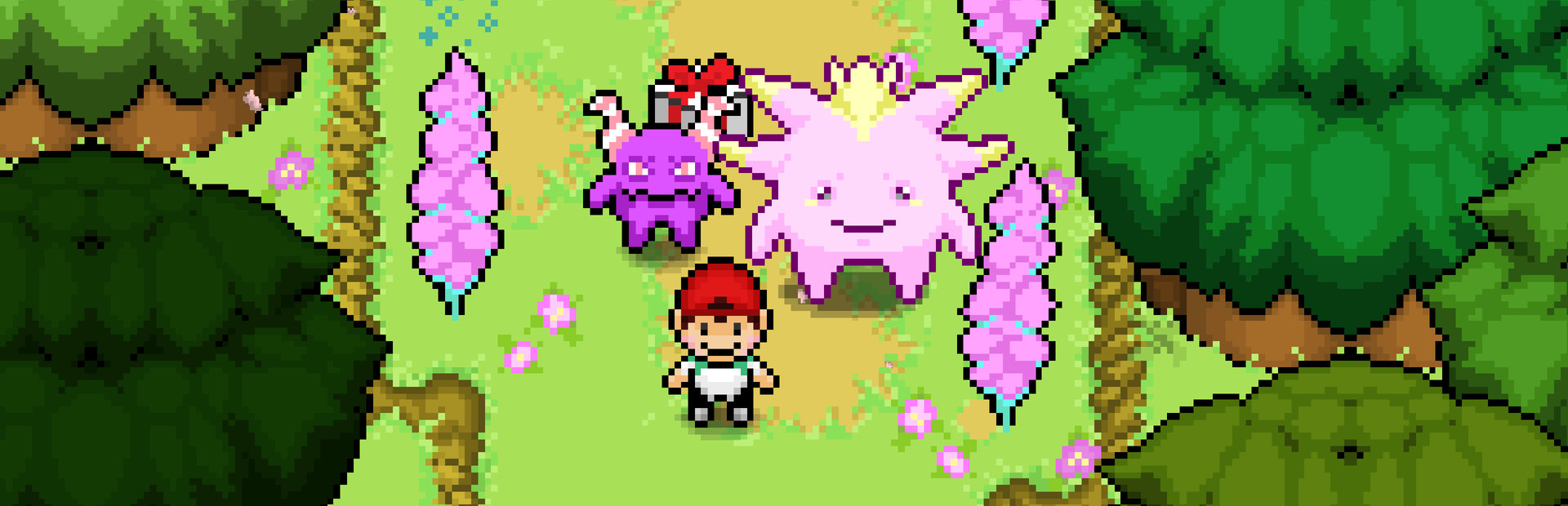
I have a soft spot for games built by a single person who refused to make something small, and Athenian Rhapsody is exactly that kind of stubborn, wonderful thing. Nico Papalia taught himself programming from GameMaker tutorials, handled all character art and quest design himself, and produced something that critics placed in the 98th percentile on OpenCritic. That origin story matters, because you feel the handcraft everywhere: the pixel portraits that look like Earthbound's weirder cousins, the way every NPC has exactly one too many opinions about everything, the chiptune soundtrack composed by Arpbug where each of the 16 potential party members gets their own theme. The structure is a choice-driven top-down RPG set in a fictional Athens with no real geography you'd recognize. Your goal is to reach a place called The Garden at the end of the world, but that objective is almost beside the point. There's no quest list to check off, no waypoint arrow. You wander, talk to everyone, and discover that the game is mostly a parade of escalating absurdity held together by surprisingly sharp writing. The comedy is loud, fart-adjacent, and relentless, and some reviewers found it overwhelming in the opening hour. I'd argue that patience is rewarded. The characters, for all their chaos, are built on visible insecurities and odd warmth, and the surreal setpieces land harder once you're invested in the world's internal logic, such as it is. Combat mixes turn-based structure with real-time bullet-hell dodging on a small black square, and no two enemy encounters use the same attack pattern. One fight is a game of avoidance. The next pivots into something resembling Space Invaders. A boss might surprise you with a spelling bee. The Burst mechanic, a secondary resource that lets you heal or accelerate your dodge speed, adds a punishing loop: take too many hits and both your health and Burst drain simultaneously. A Chill Mode toggle offers brief invulnerability frames on hit if the bullet patterns become genuinely oppressive, and it's implemented without judgment. The befriending system runs parallel to combat through a separate friendship meter, letting you pet enemies, offer hugs, or deploy pick-up lines instead of fighting, with recruited friends joining as swappable party members with distinct abilities. The Rhapsody system is the genuinely novel piece. At the end of a run, your entire playthrough is crystallized into a shareable object that logs every decision, every companion interaction, even how many projectiles hit you. These Rhapsodies can be traded between players like cards, stacked to unlock new effects, and used to access timed in-game events. The community cracked a hidden "invisible grilled cheese" achievement within eight hours of launch, which tells you something about how engaged the playerbase is. The system's long-term promise depends on community size, and the reality post-launch is that it's a smaller audience than Undertale's, but what exists is genuinely enthusiastic. The honest caveats: the story has no real connective tissue, which either reads as freeing or frustrating depending on your tolerance for pure vibes. The item storage is restrictively small, capping combined inventory at around 20 items in a way that feels unintentional rather than designed. Some reviewers found the game's moral nudging toward pacifism undercut its advertised freedom, since the writing visibly side-eyes violent runs. None of these are dealbreakers. Run length is flexible, anywhere from a compact few hours to something approaching thirty depending on how deep you want to go, with a ten-hour main path being a reasonable estimate for engaged players. For an indie built on a shoestring by someone who posted development videos to TikTok and watched the community grow from nothing, the ambition and execution are genuinely striking.

Indie & narrative
Tags
System Requirements
Minimum
- OS
- Windows 7-Up
- Memory
- 1 GB RAM
- Storage
- 1 GB available space
- Graphics
- Toaster-Strength
- Processor
- 3 Nasa Supercomputers Plugged into Each Other
- Sound Card
- Calculator-Tier and up
Keep exploring
Community Discussion
Be the first to comment on Athenian Rhapsody.
Reviews & Ratings
No ratings available
Game Info
- Developer
- Nico Papalia
- Publisher
- Top Hat Studios, Inc.
- Release Date
- May 14, 2024