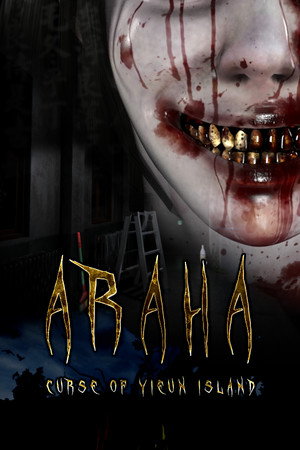
Araha : Curse of Yieun Island
Korean shamanism, unarmed ghost-evasion, and fully randomized scares on a cursed island that most horror fans haven't heard of yet. That combination is rare enough to pay attention to.
GamerScout Verdict
Best for patient horror fans drawn to Korean folklore atmosphere who can forgive unpolished localization and hands-off guidance.
Compare Prices(3 stores)
Every store in this table quotes us in euros, so the EUR figure is the price the seller actually set, not our arithmetic — which is why EUR is also the currency we rank in. We only list an offer here when the store gives us its price in euros, so nothing in this table is a number we invented.
Pick USD, PLN, GBP, CAD or AUD in the header and we convert from EUR at the European Central Bank reference rate — converted amounts are prefixed with ~. Your bank or the store may apply a different rate at checkout. We never hide offers based on where you are: everyone sees this whole table.
We may earn a commission when you buy games through links on this page — at no extra cost to you. It never affects our rankings or verdicts.
Price History
Screenshots & Media
About Araha : Curse of Yieun Island
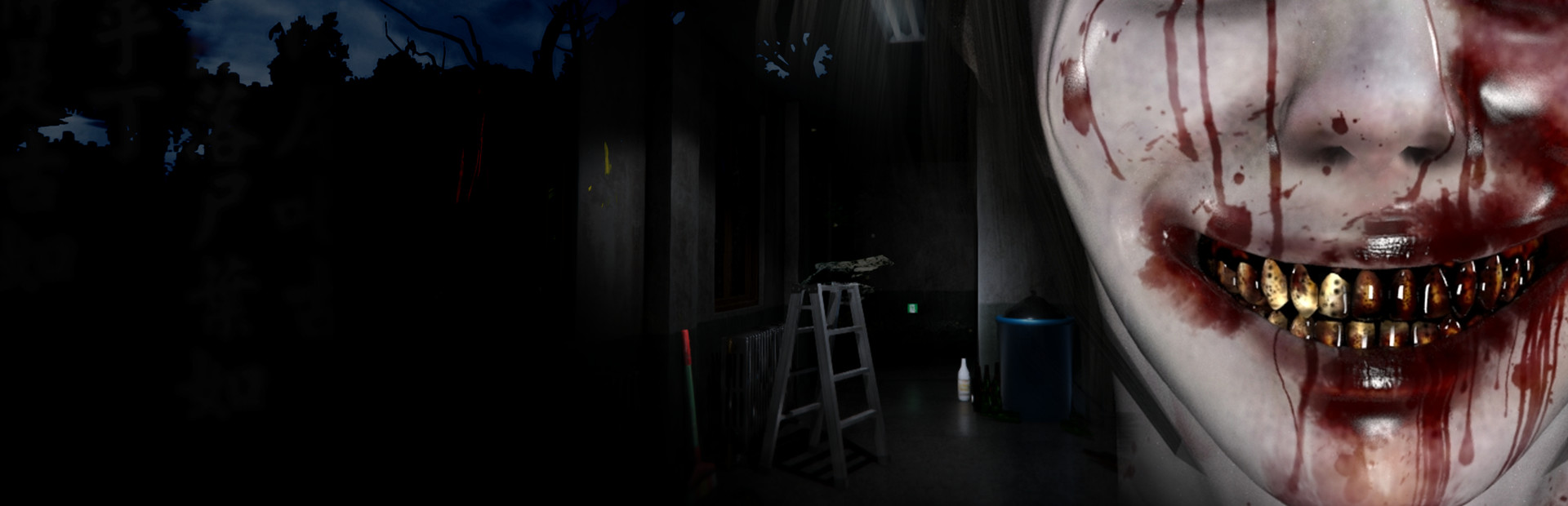
My first encounter with Araha dropped me into a flickering abandoned hospital with nothing but a flashlight, no weapon, and a ghost that had absolutely no interest in letting me get comfortable. That opening ten minutes does what good survival horror is supposed to do: it strips you of power and makes you feel it. Palmsoft have built a compact, tension-forward game rooted in Korean shamanism, and the setting alone separates it from the Western-haunted-mansion template that saturates the indie horror space. The structure is unarmed exploration across several distinct locations, moving from the decaying hospital outward to a shaman's sanctum and a mountainside cemetery. You carry tools rather than weapons, using them to interact with puzzles and uncover items, and the only options when a specter finds you are to find a safe spot or run until you lose it. What gives the game genuine replay texture is its randomization system: item locations and ghost patrol patterns are reshuffled every run, so the map you memorized last session is only a rough guide this time. That mechanic keeps the dread honest rather than performative, since you cannot muscle-memory your way to safety. The spirits themselves have distinct behaviors. Some are passive, some will pursue relentlessly, and understanding which is which is part of the survival language the game teaches through failure. A shaman NPC threads through the narrative as a guide, tying the folklore backbone to what would otherwise be a purely mechanical ghost-avoidance loop. The Korean shamanism source material gives the horror a cultural texture that feels genuinely considered rather than decorative, closer in spirit to Detention or Shadow Corridor than to the jump-scare factory approach. That said, Araha carries real rough edges that first-time players should be prepared for. The English localization has clear translation gaps that occasionally muddle objective clarity, and the lack of explicit waypoints means the game's hands-off approach to guidance can tip from atmospheric to simply confusing. Motion blur is on by default and is aggressive enough to cause genuine disorientation in the opening stretch; toggling it off in settings should be the first thing you do. Steam user sentiment sits at a mixed 60 percent, which feels accurate: this is a game that rewards patience and tolerance for jank, not one that irons itself out for you. For players who care about handcraft over polish, the atmosphere is the argument. The audio design earns its keep, building dread through environmental sound rather than relying on musical stings, and the low-lit visual direction suits the folklore tone. If you have a soft spot for Asian horror games that feel genuinely grounded in their own mythology, the hours here are well spent, rough translation and all.

Indie & narrative
Tags
System Requirements
Minimum
- OS
- Windows 7 / 8 / 8.1 / 10 (64-bit)
- Memory
- 8 GB RAM
- DirectX
- Version 9.0
- Storage
- 5 GB available space
- Graphics
- NVIDIA® GeForce® GTX 660 & AMD or better
- Processor
- Intel Core i5
Recommended
- OS
- Windows 7 / 8 / 8.1 / 10 (64-bit)
- Memory
- 8 GB RAM
- DirectX
- Version 9.0
- Storage
- 5 GB available space
- Graphics
- NVIDIA GeForce GTX1060 & AMD or better
- Processor
- Intel Core i7
Keep exploring
Community Discussion
Be the first to comment on Araha : Curse of Yieun Island.
Reviews & Ratings
No ratings available
Game Info
- Developer
- Palmsoft
- Publisher
- Palmsoft
- Release Date
- Jan 6, 2020