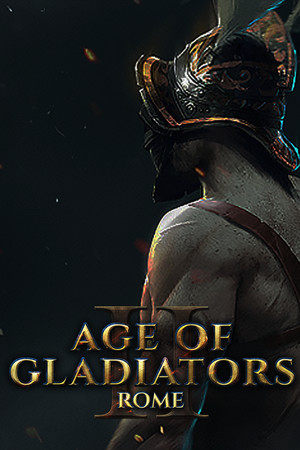
Age of Gladiators II: Rome
Football Manager with swords and sand: if building a Roman ludus from provincial obscurity to the Colosseum sounds like your idea of an evening, there is exactly enough spreadsheet here to keep you busy.
GamerScout Verdict
Best for stat-driven management fans who want a Roman skin on their Football Manager itch and can forgive a shallow combat layer.
Compare Prices(0 stores)
Loading prices...
We may earn a commission when you buy games through links on this page — at no extra cost to you. It never affects our rankings or verdicts.
Price History
Screenshots & Media
About Age of Gladiators II: Rome
My first honest reaction to Age of Gladiators II: Rome was recognition rather than discovery. The developer's own page describes it as a twist on sports front-office games like Football Manager, and that framing is accurate in a way that cuts both ways. What you are getting is a gladiator-school manager with a layered stat system, not a brawler wearing a strategy costume. If that distinction sounds appealing, read on. If you came here expecting to feel every swing of a sica, recalibrate now. The management loop is the real product. You hire scouts to scour the empire for prospects graded by their potential, then slot them into training pipelines managed by coaches, doctors, and blacksmiths you recruit separately. Every gladiator carries a personal ledger of morale, greed, fatigue, injury risk, and age-related physical decline. Spend your attribute points carelessly across all three trees - raw attributes, weapons training, and expertise - and you'll field a mediocre generalist. Specialise a Murmillo down a single weapon line early, match him to favourable arena matchups, and suddenly your ludus economy snaps into focus. The three gladiator archetypes currently in the game (Murmillo, Thraex, Secutor) give just enough tactical variation to make scouting decisions meaningful without overwhelming a new player. Difficulty settings that adjust starting wealth, opponent training speed, and combat lethality add genuine replay hooks. Combat itself is the game's weakest room. The 3D isometric turn-based system uses action points per turn and a percentage-to-hit model where every stat has a visible number behind it - my kind of transparency. But the actual fight execution feels thin. You can hand-play each arena bout, sim it, or simply take the result as a dice-roll outcome, and honestly the auto-resolve option sees most use once the novelty fades. The AI has improved since launch and will apply real tactical pressure, but community reports of AP-related bugs and erratic enemy behavior suggest the combat engine still has unresolved rough edges years after release. The option to watch fights without participating is convenient, yet it also signals that the turn-based combat was never the core draw. The broader progression arc is where the game holds up best. You work city circuits across the empire, building fame and coin until your reputation earns entry to Rome herself and the grand Colosseum. Villas and land purchases improve fame rather than income - a design choice that correctly separates prestige from cash flow and forces you to manage both tracks simultaneously. Bounties, side missions, and gladiator trades with rival in-game owners add enough texture to the campaign that the grind rarely feels purely mechanical. Gladiators who survive long enough can be voted into a pantheon of heroes on retirement, which gives individual fighters surprising emotional weight for a game this numbers-heavy. Who is this actually for? Anyone who has lost hours to Out of the Park Baseball, Football Manager, or the management layer of an older Paradox title will feel immediately at home. The tutorial is light, but the stat labels are clear enough that a new player willing to read tooltips and accept two or three early restarts will find their footing within a session. The Steam review split sitting around two-thirds positive is an honest reflection: the game does exactly what it promises for its target audience and nothing more. There is no mod ecosystem to extend the late game, no multiplayer, and post-launch content updates appear to have wound down. Buy it knowing that the ceiling is visible from the start.

Strategy & simulation
Tags
System Requirements
Minimum
- OS
- Windows Vista / 7 / 8 / 10
- Memory
- 4 GB RAM
- Storage
- 760 MB available space
- Graphics
- Hardware Accelerated Graphics with dedicated memory
- Processor
- Dual-core 1.8GHz or equivalent processor
Keep exploring
Community Discussion
Be the first to comment on Age of Gladiators II: Rome.
Reviews & Ratings
No ratings available
Game Info
- Developer
- Creative Storm Entertainment
- Publisher
- Creative Storm Entertainment
- Release Date
- Aug 21, 2018