Agartha
A Japanese indie oddity that hides genuine elemental-physics puzzles behind a retro pixel shell - rewarding for patient explorers, frustrating for everyone else.
GamerScout Verdict
Worth it for patient puzzle explorers who can tolerate thin stage variety; a hard sell for anyone expecting polish or clear progression feedback.
Compare Prices(7 stores)
Every store in this table quotes us in euros, so the EUR figure is the price the seller actually set, not our arithmetic — which is why EUR is also the currency we rank in. We only list an offer here when the store gives us its price in euros, so nothing in this table is a number we invented.
Pick USD, PLN, GBP, CAD or AUD in the header and we convert from EUR at the European Central Bank reference rate — converted amounts are prefixed with ~. Your bank or the store may apply a different rate at checkout. We never hide offers based on where you are: everyone sees this whole table.
We may earn a commission when you buy games through links on this page — at no extra cost to you. It never affects our rankings or verdicts.
Price History
Screenshots & Media
About Agartha
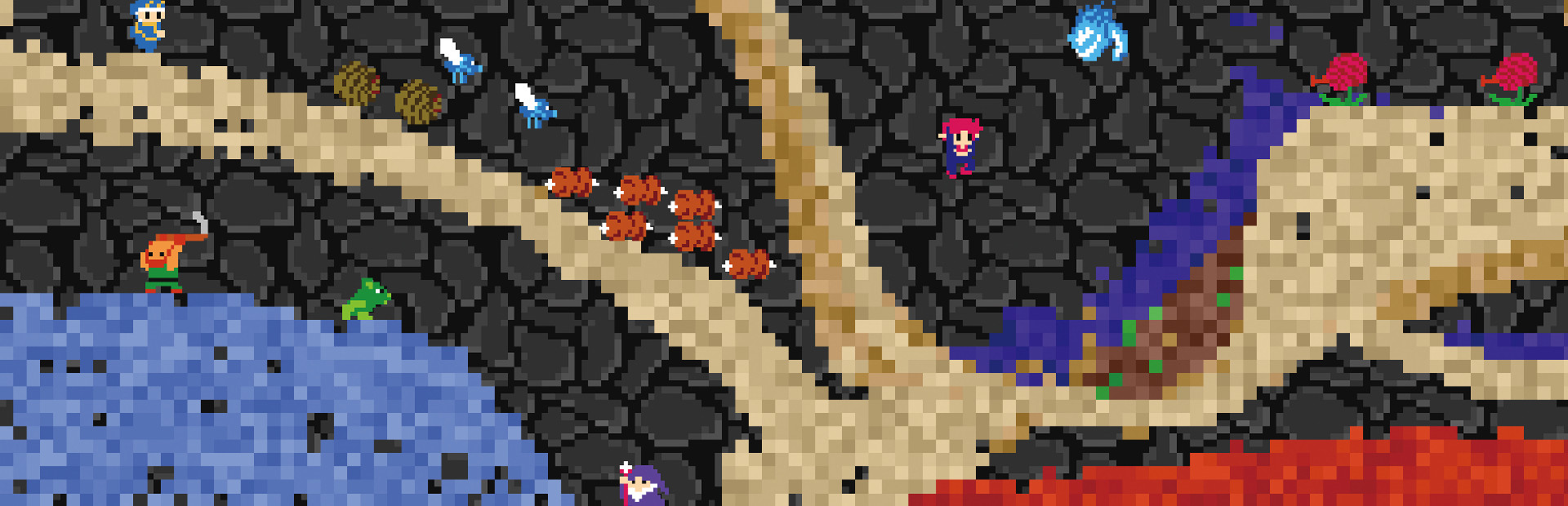
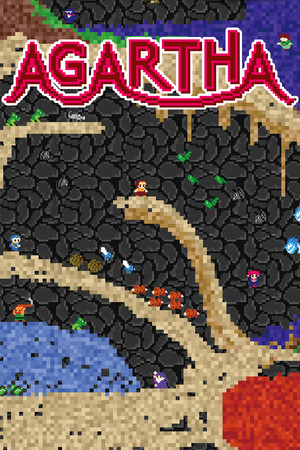
I went in expecting something forgettable and came out with mixed feelings that took a while to untangle. Agartha is a sub-5-dollar curio from solo Japanese developer Shindenken, localized by Fruitbat Factory, and it carries the unmistakable texture of a one-person project that had a genuinely clever idea and then ran out of runway before fully realizing it. The core hook is legitimate: every level is built from destructible, physics-simulated material, and the whole puzzle layer lives inside that simulation. You freeze steam into water, solidify water into ice platforms, burn oil to clear caverns, and blast holes through dirt walls. Watching the environment respond to your choices has a quiet satisfaction to it that most puzzle platformers never manage. You start as a gunner and work toward unlocking a small roster of adventurers - a ninja, a wizard, a psychic, a farmer, among others - each carrying four abilities and their own movement quirks. The gunner jumps well and handles most early stages; the robot is slower but tankier; each class shifts the puzzle logic just enough that returning to earlier stages with a new character can open paths you had written off. Collecting gems and meat dropped by enemies is how you fund those unlocks, which adds a light resource-management layer on top of the already resource-limited ammo system per stage. When that all clicks, and it does click in the early-to-mid sections, Agartha feels like a small discovery worth keeping. The cracks appear around the midpoint. Stage variety is thin - almost every level leans on the same underground lava-and-cavern palette, and the elemental threats rarely surprise you after the first dozen rooms. Later puzzles start feeling less like invitations to experiment and more like locked doors that accept only one specific character as the key. The final encounter is particularly guilty of this, offering no real signal to the player about how it should be fought. The chiptune soundtrack lands somewhere between charming and stock - reviewers have compared it to Capcom's NES-era work, which is accurate in structure if not in memorability, and the loops do tend to blur into background noise over a longer session. Controller rebinding is clunky, quick-restart requires more button presses than it should, and the pixel density can make hitbox edges genuinely ambiguous. All of that said, the Steam community has a thread of defenders - players who found it on Switch first and came back for the PC version specifically, people who describe it as a hidden gem worth the patience. That divide tells you what you need to know about the audience. If you approach Agartha as a slow, methodical resource puzzle with a physics toy at its center, and you can forgive thin visual variety, there is real craft here that mainstream coverage has almost entirely ignored. If you want momentum, narrative pull, or a game that communicates its rules clearly at every stage, this one will shed you before the halfway mark.

Indie & narrative
Tags
System Requirements
Minimum
- OS
- Windows 7/8/10/11
- Memory
- 4 GB RAM
- Storage
- 200 MB available space
- Graphics
- 1280x720 or higher resolution
- Processor
- Pentium 2117U 1.8GHz or higher
Keep exploring
Community Discussion
Be the first to comment on Agartha.
Reviews & Ratings
No ratings available
Game Info
- Developer
- Shindenken
- Publisher
- Fruitbat Factory
- Release Date
- Mar 20, 2019