Afterdream
A three-hour walk through grief disguised as a haunted house puzzle game, and Jesse Makkonen's most emotionally deliberate work yet.
GamerScout Verdict
Worth it for anyone who values atmosphere and emotional precision over scares, and doesn't mind a short, slow walk through someone else's grief.
Compare Prices(8 stores)
Every store in this table quotes us in euros, so the EUR figure is the price the seller actually set, not our arithmetic — which is why EUR is also the currency we rank in. We only list an offer here when the store gives us its price in euros, so nothing in this table is a number we invented.
Pick USD, PLN, GBP, CAD or AUD in the header and we convert from EUR at the European Central Bank reference rate — converted amounts are prefixed with ~. Your bank or the store may apply a different rate at checkout. We never hide offers based on where you are: everyone sees this whole table.
We may earn a commission when you buy games through links on this page — at no extra cost to you. It never affects our rankings or verdicts.
Price History
Screenshots & Media
About Afterdream
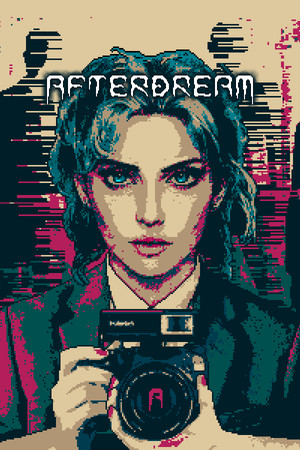
I came into Afterdream expecting another competent mood piece from the creator of Distraint, and came out the other side genuinely moved. That is not a sentence I write carelessly. This is a 2D side-scrolling psychological horror adventure built around a single, sustained emotional frequency: the weight of losing someone before you were ready, and the strange dreamlike half-life that follows. You play as Jennifer, a young woman who recounts a series of vivid dreams to her therapist. The therapy frame is the quiet anchor that makes everything else land, because when the nightmare imagery gets strangest, the human stakes stay warm and close. The core loop is classic adventure-game-adjacent: explore closed environments, pick up items, use them to unlock progress, and build a mental map of each chapter's layout. Puzzles include fetch-and-apply sequences, combination locks, rotating disc systems, and valve pressure challenges. None of them are punishing, and the confined room structures mean you rarely spend more than a few minutes genuinely stuck. What elevates the loop is the camera. Early on, Jennifer receives a Polaroid-style camera with two functions. Point it at an area and scan with the lens, and objects invisible to the naked eye reveal themselves as glowing white shapes; photograph them, and they materialize into the world, opening doors, barricading threats, summoning items from nowhere. The flash function, separately, illuminates dark areas and charges objects with energy. It is a tidy, low-friction mechanic that reinforces the dream logic beautifully. Photographing something into existence is exactly what it should feel like inside a lucid nightmare. The visual presentation is where Makkonen's craftsmanship really shows its seams, in the best sense. The pixel art runs through a curved, slightly warped filter that makes the whole screen feel like a vintage slide projector or an old surveillance feed. Indoor environments shift to brown and amber tones, outdoor summer scenes bloom into reds and yellows, and the palette changes carry genuine emotional weight as the story moves between memories. Static distortion flares when Jennifer's stress rises. Lights flicker, cut out, then blind you. The soundscape does the rest: creaking floorboards, echoing water drips, a score that fades in and out in sync with the beats of the story rather than looping mechanically in the background. Worth noting for sensitive players: a strobe reduction option exists, though at least one reviewer found it had limited effect in practice, so exercise caution if screen flicker is a concern for you. The genuine criticisms are small but real. The walk speed is slow, and there is no run option. For three hours that is liveable, but you will notice it. The camera flash mechanic feels underused, a missed opportunity for tension that never quite fully arrives. The horror is atmospheric rather than frightening, and if you arrive expecting dread on the level of your last survival horror session, the mood will feel softer than the pixel art aesthetic implies. Some players have also flagged that the single save slot overwrites on new game starts, which matters if you want to replay for missed achievements. For the right player, none of that dims it. Afterdream knows exactly how long it needs to be, and it ends when it should. That discipline, the courage to close a story at three hours rather than pad it toward a false sense of value, is its own form of craft. The ghosts Jennifer encounters are mostly lost and mundane: a man looking for his hat, figures stuck in routine, souls just needing to be seen before they can rest. The horror is the sadness underneath them, and Makkonen trusts you to feel it without over-explaining. If you played Distraint or its sequel and came back for more of that same handmade melancholy, Afterdream delivers it with more visual polish and stronger pacing than either of those earlier entries.

Indie & narrative
Tags
System Requirements
Minimum
- OS
- Windows 7 or later
- Memory
- 4 GB RAM
- DirectX
- Version 9.0
- Storage
- 500 MB available space
- Graphics
- 4GB card capable of shader 3.0
- Processor
- Dual Core 2.0 GHz
- Sound Card
- DirectX 9c Compliant
Keep exploring
Community Discussion
Be the first to comment on Afterdream.
Reviews & Ratings
No ratings available
Game Info
- Developer
- Jesse Makkonen
- Publisher
- Gamirror Games
- Release Date
- Sep 28, 2023