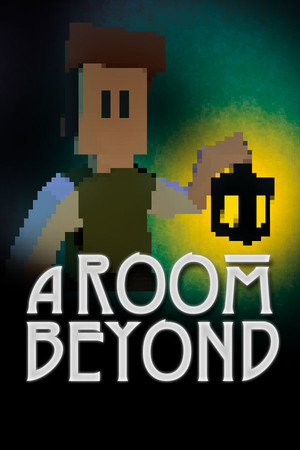
A Room Beyond
If the fog-soaked horror of The Last Door ever felt too polished, this one-man Victorian nightmare scratches the same itch with rougher edges and a stranger heart.
GamerScout Verdict
Worth it for atmospheric horror fans who can forgive rough combat and uneven episodes in exchange for a genuinely eerie solo-crafted world.
Compare Prices(3 stores)
Every store in this table quotes us in euros, so the EUR figure is the price the seller actually set, not our arithmetic — which is why EUR is also the currency we rank in. We only list an offer here when the store gives us its price in euros, so nothing in this table is a number we invented.
Pick USD, PLN, GBP, CAD or AUD in the header and we convert from EUR at the European Central Bank reference rate — converted amounts are prefixed with ~. Your bank or the store may apply a different rate at checkout. We never hide offers based on where you are: everyone sees this whole table.
We may earn a commission when you buy games through links on this page — at no extra cost to you. It never affects our rankings or verdicts.
Price History
Screenshots & Media
About A Room Beyond
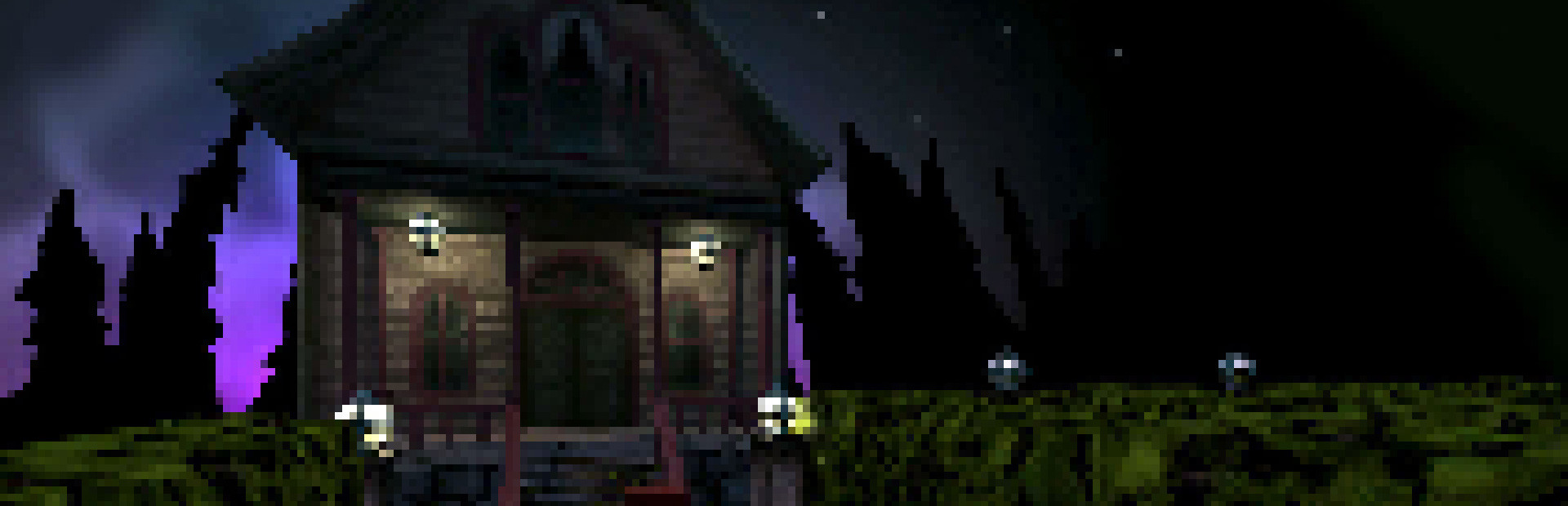
My first instinct when loading A Room Beyond was to slow down and let it breathe, and that instinct paid off. René Bühling built this entirely solo, and the fingerprints of a single obsessive vision are on every screen. It is a five-episode point-and-click horror adventure set in a Lovecraftian village terrorized by a murderous apparition called the Fog Wanderer, and it wears its inspirations openly: Alone in the Dark, The Last Door, LucasArts puzzle logic, the prose of Poe and H.P. Lovecraft, and even a palliative nurse's memoir about life regrets woven into the philosophical backbone of the story. That is a lot to carry for one developer. Occasionally it shows. But the ambition itself is worth respecting. The visual hook is genuinely unusual. Bühling blends low-poly 3D character models with a heavy mosaic pixel filter, producing a 2.5D aesthetic that sits somewhere between a PS1 memory and a fever dream watercolor. Colours push through the murk in exactly the right places, and the general gloom of fog-wrapped gorges and candlelit caves suits the tone completely. The downside is real: the art deliberately obfuscates the environment, and you will spend time pressing the highlight button just to see what is interactable. It is a tool you will use constantly, not occasionally. Some players read that as atmospheric intentionality. Others find it a friction tax on puzzle-solving. Both readings are fair. The puzzle design follows classic inventory logic: pick things up, combine them, apply them to the world, revisit screens after dialogue triggers. The inventory stays lean enough that you are never drowning in item combinations the way old-school adventures could punish you. Dialogue with villagers is paced slowly and rewards patience; the conversations have more depth than the short playtime suggests they should. Where the game stumbles is in the combat introduced from the second episode onward. Clicking rapidly on glowing spiders and oversized bugs to clear a path is joyless by design, and the positioning requirements for hits to register add randomness that feels unintentional. The episodic structure also creates some tonal whiplash between chapters: exploration and atmospheric puzzles in episode one, alchemical and pipe puzzles in episode two, treasure hunts in episode three. The Fog Wanderer himself shifts motivation episode to episode without enough narrative connective tissue to justify it. What holds it together is the soundscape and the mood. The game is almost entirely silent except for environmental sounds and a classical music title sequence that sets the register perfectly. When a sound does appear, it lands hard. One moment near the end of episode two, built almost entirely on audio, produced genuine unease in reviewers who otherwise found the game rough around the edges. The story, philosophical ambitions and all, builds gradually enough that the cliffhanger endings between episodes feel earned. The whole thing is short, and players fluent in point-and-click conventions will move through it faster than those coming in fresh. That brevity can sting given the episodic framing, but Bühling seems to know when to end a scene, even if the connective tissue between them is thinner than it should be. This is a game for people who find something beautiful in the unpolished corners of solo-developed horror. If you want the tight narrative continuity of The Last Door or the puzzle clarity of a LucasArts classic, A Room Beyond will frustrate you. If you can accept a rougher, stranger thing made by one person who cared deeply about Victorian occultism and mortality, the fog has something to offer.

Indie & narrative
Tags
System Requirements
Minimum
- OS
- Windows 7, 8 or 10
- Memory
- 4 GB RAM
- DirectX
- Version 11
- Storage
- 300 MB available space
- Processor
- 2.5 GHz CPU
Keep exploring
Community Discussion
Be the first to comment on A Room Beyond.
Reviews & Ratings
No ratings available
Game Info
- Developer
- René Bühling
- Publisher
- René Bühling
- Release Date
- Jun 13, 2017