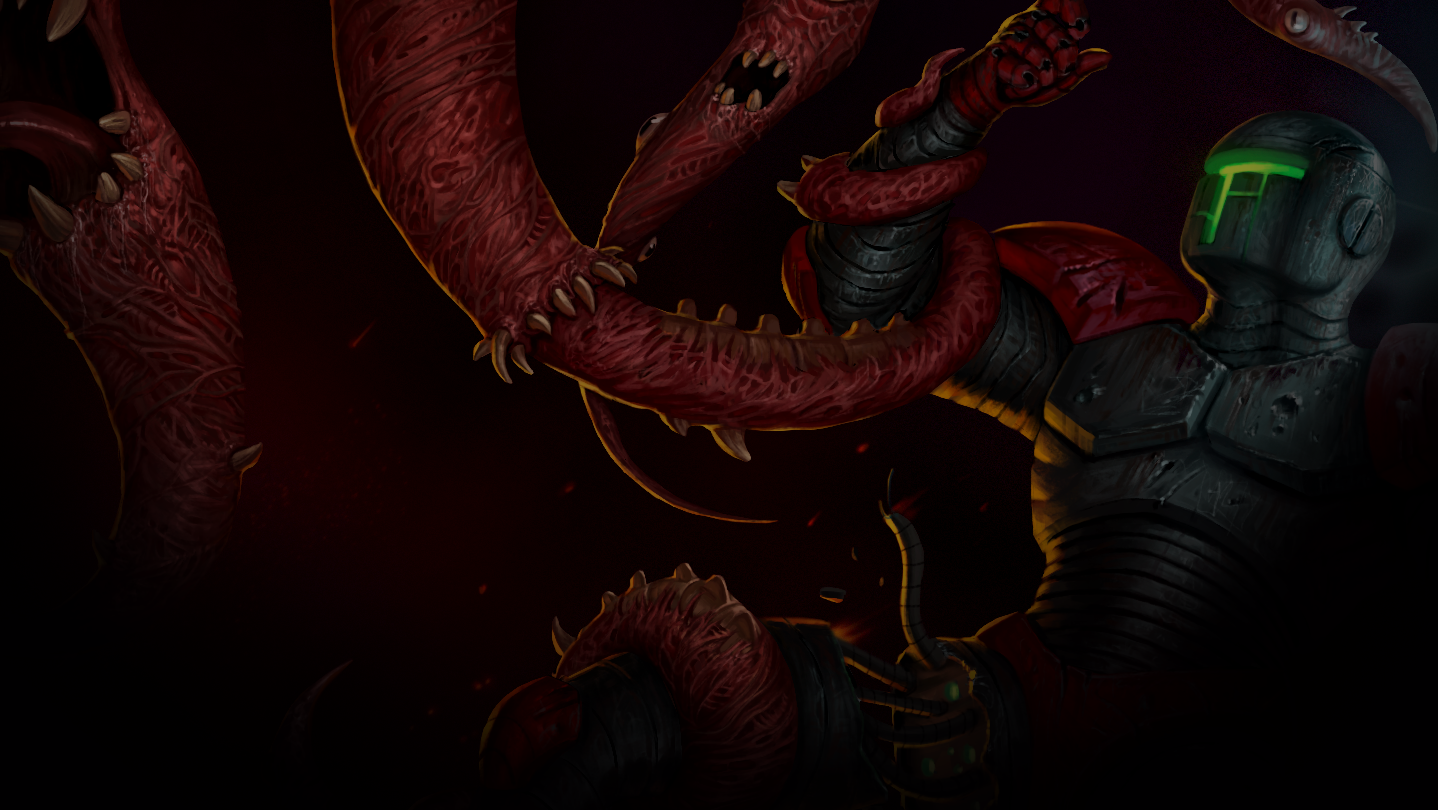
A Robot Named Fight!
Procedurally-generated Metroidvania where every run reshuffles the labyrinth and your power-up loadout. Tight, replayable, and surprisingly atmospheric for a one-dev project.
GamerScout Verdict
Best for Metroid and roguelike fans who want spatial exploration with genuine run-to-run variance from a handcrafted solo project.
Compare Prices(5 stores)
Every store in this table quotes us in euros, so the EUR figure is the price the seller actually set, not our arithmetic — which is why EUR is also the currency we rank in. We only list an offer here when the store gives us its price in euros, so nothing in this table is a number we invented.
Pick USD, PLN, GBP, CAD or AUD in the header and we convert from EUR at the European Central Bank reference rate — converted amounts are prefixed with ~. Your bank or the store may apply a different rate at checkout. We never hide offers based on where you are: everyone sees this whole table.
We may earn a commission when you buy games through links on this page — at no extra cost to you. It never affects our rankings or verdicts.
Price History
Screenshots & Media
About A Robot Named Fight!
A Robot Named Fight is a rare thing: a solo-developed Metroidvania that actually understands why the genre works. Instead of a fixed map you memorize over time, each session generates a new labyrinth, randomizes which power-ups spawn where, and asks you to piece together a traversal kit on the fly. Wall-jump might show up in the first room or not at all. The charge beam might carry your whole run. That unpredictability is the point, and the game leans into it without apology. The core loop is exploration-first. You push deeper into fleshy, biomechanical corridors - fighting meat beasts, cracking open item rooms, deciding whether to backtrack for a secret or commit to the forward path with what you have. The item pool includes movement upgrades, weapon modifications, and passive boosts that interact in ways that genuinely change how a run feels. One attempt you are a careful, methodical explorer; the next you are bouncing off walls with a spread shot clearing rooms before you land. That variance keeps the roughly sixty-to-ninety-minute run length from feeling repetitive across sessions. The pixel art is deliberate and evocative in the way that matters: it communicates danger, depth, and a kind of quiet dread without needing high resolution to do it. The color palette leans into biological horror - purples, reds, fleshy pinks - and the soundtrack holds that tension well. It is the kind of audio-visual pairing where you notice the music most when it cuts out, which is exactly the right instinct for a game built on atmosphere. Morningstar Game Studio clearly cared about the feel of the world, not just the mechanical checklist. Where the game shows its constraints is in boss variety and late-run difficulty balancing. Some runs end not because of a skill gap but because the item distribution just did not cooperate, which can feel arbitrary rather than earned. Players who need a strong narrative throughline will also find it sparse - there is lore here, delivered in small environmental and textual fragments, but the story is ambient rather than central. If you come for plot momentum you will leave wanting. For the right player, none of that is a dealbreaker. If you are someone who already logs hours in Rogue Legacy or Dead Cells and keeps wishing those games had more of a Metroid-style spatial puzzle quality, this fills that gap in a way few games do. It knows what it is, it executes that thing with real craft, and at the runtime it offers, it respects your time. An 88 percent positive rating across nearly nine hundred reviews from a game most outlets never covered is as honest a signal as you will find.

Indie & narrative
Tags
System Requirements
Minimum
- Processor
- Intel Pentium E2180 2.0 GHz (or AMD equivalent)
- Memory
- 1 GB RAM
- Graphics
- Anything with DX9 (shader model 3.0) capability
- DirectX
- Version 9.0
- Storage
- 600 MB available sp…
Keep exploring
Community Discussion
Be the first to comment on A Robot Named Fight!.
Reviews & Ratings
Game Info
- Developer
- Morningstar Game Studio
- Publisher
- Morningstar Game Studio
- Release Date
- Sep 7, 2017