7th Sector
A solo-dev cyberpunk puzzler where you are a spark of electricity threading through wires, machines, and a quietly devastating dystopian story, built entirely by one person, and it shows in all the right ways.
GamerScout Verdict
Built for players who read Limbo as a love letter and treat puzzle frustration as part of the deal, everyone else should try a demo first.
Compare Prices(5 stores)
Every store in this table quotes us in euros, so the EUR figure is the price the seller actually set, not our arithmetic — which is why EUR is also the currency we rank in. We only list an offer here when the store gives us its price in euros, so nothing in this table is a number we invented.
Pick USD, PLN, GBP, CAD or AUD in the header and we convert from EUR at the European Central Bank reference rate — converted amounts are prefixed with ~. Your bank or the store may apply a different rate at checkout. We never hide offers based on where you are: everyone sees this whole table.
We may earn a commission when you buy games through links on this page — at no extra cost to you. It never affects our rankings or verdicts.
Price History
Screenshots & Media
About 7th Sector
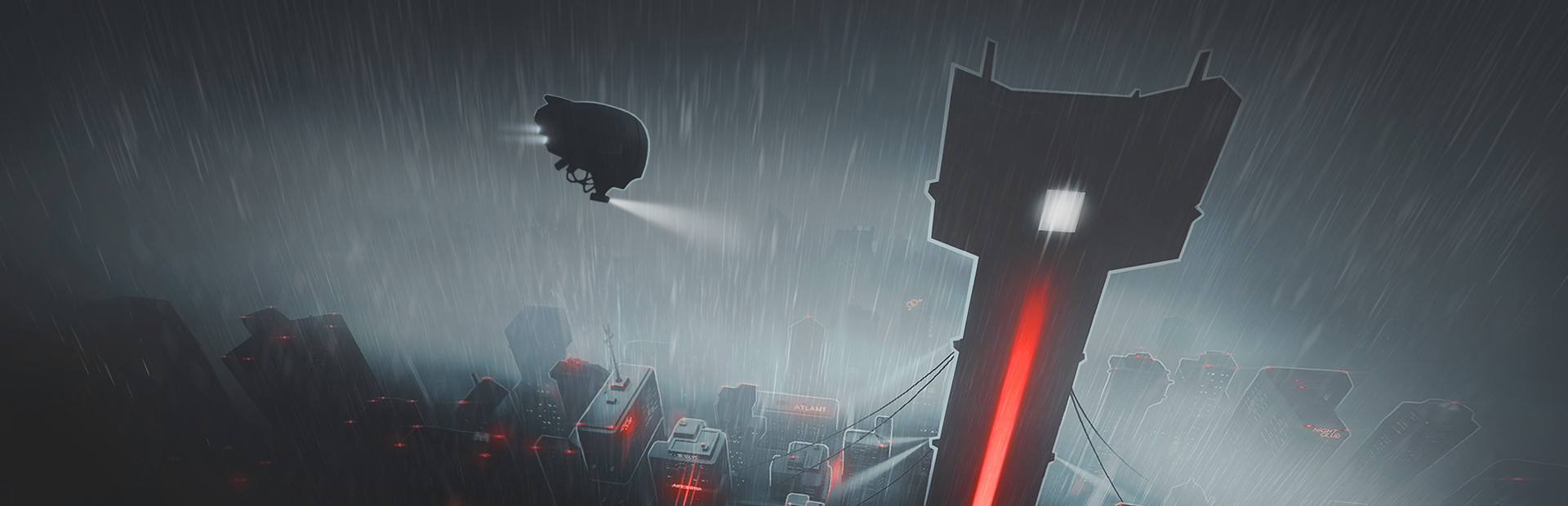
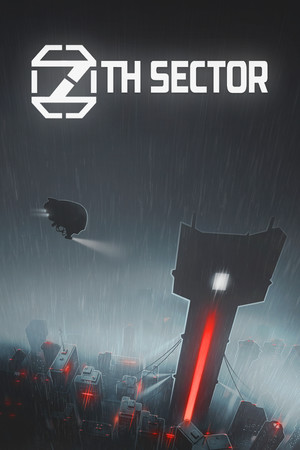
I have a soft spot for the kind of game that gets buried under algorithmic noise and reviewed by almost nobody, yet somehow carries more handcrafted intention per pixel than titles made by teams ten times larger. 7th Sector is that game. Released in 2019 by Russian solo developer Sergey Noskov, it is a side-scrolling puzzle adventure where you begin as a wordless spark of consciousness escaping a static-filled television screen, then spend the next several hours threading yourself through the wiring of a crumbling cyberpunk city while a revolution quietly unfolds in the backgrounds you might not even be watching. The premise sounds simple but the execution keeps shifting under your feet. You start by navigating along electrical cables, overloading lightbulbs to bridge gaps, manipulating phonographs to extract audio clues, and cracking transformer math puzzles where groups of numbers must sum to a target voltage. Those math challenges have randomized solutions, so walkthroughs are largely useless and the satisfaction of solving them yourself is genuine. Then Noskov pulls the rug: the spark possesses a rolling droid, then a flying drone tasked with hunting four beacons through a maze while a killer drone hunts you back, then a large armored robot with a mounted gun. Each form brings a different physical grammar and a different class of puzzle, from physics manipulation to stealth-adjacent positioning to light combat. The game commits to showing you nothing about how any of this works, which is either its greatest strength or the thing most likely to make you quit, depending on your tolerance for figuring out rules by failing at them. Where 7th Sector earns its place in the same conversation as Limbo or Inside is in its environmental storytelling. There is no dialogue, no text dumps, no cutscene narration. The city tells its own story through graffiti, advertising billboards, discarded flyers, and background scenes that keep unfolding whether you notice them or not. A message in a hacked mailbox reading a warning, followed by silence from the recipient, lands harder than most written scripts. The sound design reinforces all of this: ambient warbling radios, the hum of machinery, robots communicating in small beeps. It is a genuinely eerie soundscape that holds the mood steady throughout. Four different endings tied to choices made during the run give completionists and achievement hunters a reason to return, and the checkpoint system of 48 reloadable saves lets you branch deliberately rather than replay the whole thing blind. The honest caveats are real though. The action sequences that arrive in the second half, particularly the robot combat sections with their imprecise hit detection and floaty controls, are the game's weakest material. Some puzzles tip from satisfying-obtuse into genuinely tedious, and a handful of spatial challenges in the remote-controlled car section suffer from the 2D perspective in ways that feel unfinished rather than intentional. The whole thing runs roughly three to six hours depending on how often you stall. For the price of an indie, that runtime is either tight and focused or thin, and your answer depends entirely on whether atmosphere counts as content for you. For me, it does. Noskov built something rare here: a world with a coherent internal logic, a haunting score, and a story told entirely through what you observe rather than what you are told. The unpolished edges are real. So is everything that works.

Indie & narrative
Tags
System Requirements
Minimum
- OS
- Windows XP / 7
- Memory
- 2 GB RAM
- DirectX
- Version 9.0
- Storage
- 720 MB available space
- Graphics
- NVIDIA GeForce GTX 275, GeForce GT
- Processor
- Intel Dual-Core 2.4 GHz
Recommended
- OS
- Windows 7/10
- Memory
- 3 GB RAM
- DirectX
- Version 10
- Storage
- 720 MB available space
- Graphics
- NVIDIA GeForce GTX 960, GTX 970
- Processor
- Quad Core Processor
Keep exploring
Community Discussion
Be the first to comment on 7th Sector.
Reviews & Ratings
No ratings available
Game Info
- Developer
- Носков Сергей
- Publisher
- Носков Сергей
- Release Date
- Mar 5, 2019