Compara los precios de Wayward Souls en tiendas de claves de confianza y encuentra la mejor oferta. Desarrollado por Rocketcat Games. Publicado por Rocketcat Games. Lanzado el 28/8/2019. Disponible en PC. Géneros: Action, Indie, RPG.

Rocketcat's dungeon crawler has no right being this narratively rich for a roguelike - seven characters, seven stories, and a haunted tower that earns every death it hands you.

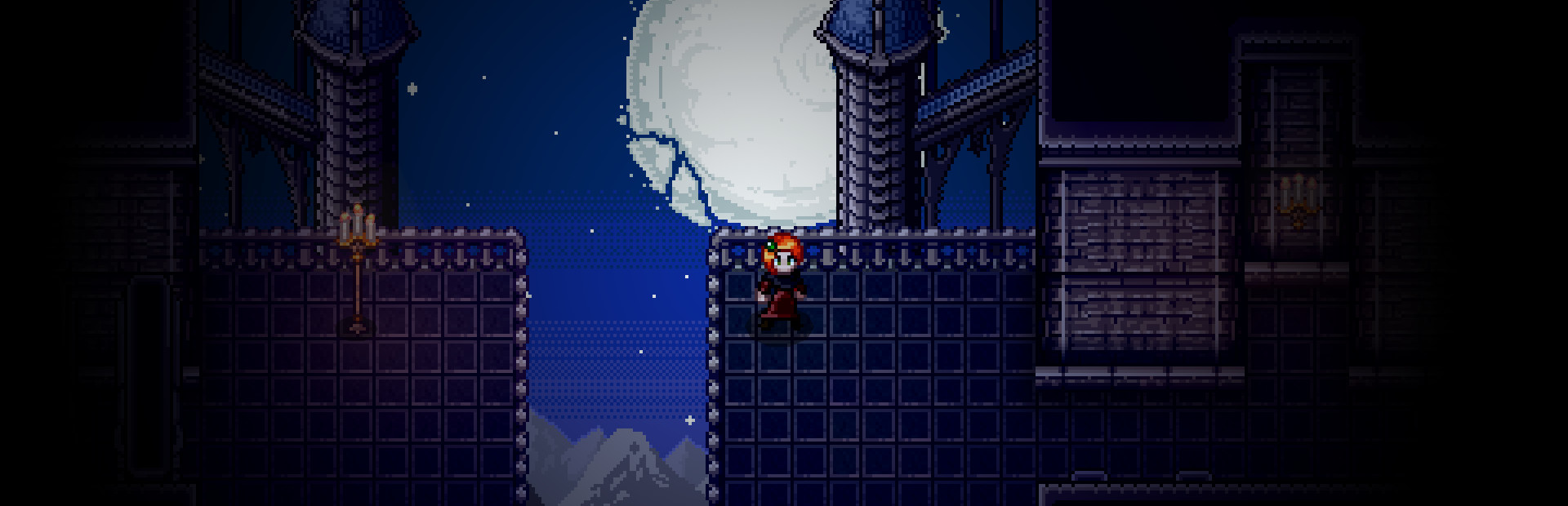
I went in expecting a competent little roguelite and came out genuinely moved by a story I had no business caring about mid-permadeath loop. Wayward Souls started life on iOS in 2014, earned TouchArcade's Game of the Year, and quietly arrived on PC in 2019 with a Paladin update and extra content that makes this the definitive version. The highest compliment I can pay it: the story bits made me stop running and just read. Each of the seven classes - Warrior, Mage, Rogue, Adventurer, Spellsword, Cultist, and the unlock-gated Paladin - carries their own cutscenes and their own reason for being inside the cursed tower of Baron Amaranth. A Rogue sent for loot who finds her old partner-in-crime. An Adventurer haunted by literal shadows. A Cultist whose blind-and-fade ability set feels almost like cheating until the enemy variety forces you to use every tool you have. The lore lands because it arrives in quiet moments between rooms rather than in cutscene dumps, and the ghostly atmospheric scenes tracing the land's tragic history are legitimately captivating. Mechanically this sits somewhere between a top-down Zelda: A Link to the Past and the kind of roguelike that will kill you thirty times before you understand why you deserved it. Every room locks on entry - clear all enemies to proceed - and combat is built on basic attacks, rechargeable power attacks, and consumable items, with positioning and timing doing most of the heavy lifting. The Warrior's slow greatsword and blockable shield will carry newcomers; the Rogue's backstab-dependent, dash-reliant playstyle is the game's skill ceiling made visible. Ember Forges scatter through each run and let you reshape your weapon and gear in ways that meaningfully alter feel - a Mage who grabs ice and fire staves plays completely differently from one who doesn't. The permanent meta-progression runs on coins retained through death, spent on incremental stat upgrades per character, which some players find a little thin (raising crit chance by 3% per purchase is not quite Path of Exile), but it's enough to keep the wheel turning through early deaths. The OST by Joey Grady spans 22 tracks and deserves a mention on its own. Haunting where it needs to be, and quietly soothing in others - the kind of small-studio soundtrack that you notice is doing emotional work without drawing attention to itself. Fourteen area types across the Mines, Tower, Catacomb, Labyrinth, and Amaranth Keep each carry their own monster rosters and atmosphere, and the procedural generation keeps room layouts and enemy placement fresh across repeated runs. That said, players who have logged deep hours in Spelunky, Enter the Gungeon, or Rogue Legacy may find the variance a little narrower than those titles. This is a smaller, quieter, more handcrafted-feeling game - and in the PC version, controller support makes everything click in a way the original mobile controls never quite could. The weaknesses are real but minor. The upgrade system feels underspecified - tooltips are stingy with information and some upgrades are opaque until you die learning them. Healing is almost nonexistent mid-run, putting enormous pressure on the small floor-end recovery tick, and if you are expecting the faster kinetic pace of a modern roguelite, Wayward Souls will feel measured. But if you are someone who will defend a slow opening when the payoff justifies it, this is your game. It knows what it is: a 16-bit dungeon story about seven lost souls and the thing waiting at the top of a very dark tower. It earns its ending. Kai, Scout Team

Wayward Souls

Wayward Souls

28 ago 2019Rocketcat Games
GamerScout opina

Rocketcat's dungeon crawler has no right being this narratively rich for a roguelike - seven characters, seven stories, and a haunted tower that earns every death it hands you.

PC
Steam Deck Playable
Mejor precio disponible
€0.00
en N/A
Mínimo histórico: €1.47

Comparar precios(0 tiendas)

Cargando precios...

We may earn a commission when you buy games through links on this page — at no extra cost to you. It never affects our rankings or verdicts.

Historial de precios

Historical low
€1.477 Jun 2026
Keyshops
€1.35€1.43€1.51€1.597 Jun12 Jun18 Jun23 Jun28 Jun
Tracking prices since 7 Jun 2026
Create alert

Capturas y multimedia

Acerca de Wayward Souls

I went in expecting a competent little roguelite and came out genuinely moved by a story I had no business caring about mid-permadeath loop. Wayward Souls started life on iOS in 2014, earned TouchArcade's Game of the Year, and quietly arrived on PC in 2019 with a Paladin update and extra content that makes this the definitive version. The highest compliment I can pay it: the story bits made me stop running and just read. Each of the seven classes - Warrior, Mage, Rogue, Adventurer, Spellsword, Cultist, and the unlock-gated Paladin - carries their own cutscenes and their own reason for being inside the cursed tower of Baron Amaranth. A Rogue sent for loot who finds her old partner-in-crime. An Adventurer haunted by literal shadows. A Cultist whose blind-and-fade ability set feels almost like cheating until the enemy variety forces you to use every tool you have. The lore lands because it arrives in quiet moments between rooms rather than in cutscene dumps, and the ghostly atmospheric scenes tracing the land's tragic history are legitimately captivating. Mechanically this sits somewhere between a top-down Zelda: A Link to the Past and the kind of roguelike that will kill you thirty times before you understand why you deserved it. Every room locks on entry - clear all enemies to proceed - and combat is built on basic attacks, rechargeable power attacks, and consumable items, with positioning and timing doing most of the heavy lifting. The Warrior's slow greatsword and blockable shield will carry newcomers; the Rogue's backstab-dependent, dash-reliant playstyle is the game's skill ceiling made visible. Ember Forges scatter through each run and let you reshape your weapon and gear in ways that meaningfully alter feel - a Mage who grabs ice and fire staves plays completely differently from one who doesn't. The permanent meta-progression runs on coins retained through death, spent on incremental stat upgrades per character, which some players find a little thin (raising crit chance by 3% per purchase is not quite Path of Exile), but it's enough to keep the wheel turning through early deaths. The OST by Joey Grady spans 22 tracks and deserves a mention on its own. Haunting where it needs to be, and quietly soothing in others - the kind of small-studio soundtrack that you notice is doing emotional work without drawing attention to itself. Fourteen area types across the Mines, Tower, Catacomb, Labyrinth, and Amaranth Keep each carry their own monster rosters and atmosphere, and the procedural generation keeps room layouts and enemy placement fresh across repeated runs. That said, players who have logged deep hours in Spelunky, Enter the Gungeon, or Rogue Legacy may find the variance a little narrower than those titles. This is a smaller, quieter, more handcrafted-feeling game - and in the PC version, controller support makes everything click in a way the original mobile controls never quite could. The weaknesses are real but minor. The upgrade system feels underspecified - tooltips are stingy with information and some upgrades are opaque until you die learning them. Healing is almost nonexistent mid-run, putting enormous pressure on the small floor-end recovery tick, and if you are expecting the faster kinetic pace of a modern roguelite, Wayward Souls will feel measured. But if you are someone who will defend a slow opening when the payoff justifies it, this is your game. It knows what it is: a 16-bit dungeon story about seven lost souls and the thing waiting at the top of a very dark tower. It earns its ending.

Kai
Kai · Scout Team

Indie & narrative

Etiquetas

singleplayercontroller-supportcloud-savestier:sub-5Narrative RoguelikePermadeathTop-Down CombatClass-BasedEmber Forge BuildsSNES AestheticAtmospheric SoundtrackUnlock ProgressionStory Cutscenes

Requisitos del sistema

Mínimos

OS
Windows 7, XP, Vista, 8, and newer
Memory
128 MB RAM
Storage
185 MB available space
Graphics
Requires OpenGL 3.3 or higher
Processor
1.3 ghz

Sigue explorando

Community Discussion

Be the first to comment on Wayward Souls.

Reseñas y valoraciones

No hay valoraciones disponibles

Información del juego

Desarrolladora
Rocketcat Games
Distribuidora
Rocketcat Games
Fecha de lanzamiento
28 ago 2019

Alerta de precio

¡Recibe un aviso cuando el precio baje de tu objetivo!

Crear alerta

Compra mejor: guías útiles

¿Buscas más? Mira juegos como Wayward Souls →

Preguntas frecuentes sobre Wayward Souls

¿Cuánto cuesta Wayward Souls?

El precio de Wayward Souls cambia a menudo y varía según la tienda, la edición y la región. La tabla de precios en vivo de esta página compara las ofertas más baratas en stock de tiendas de claves de confianza como Eneba y Kinguin, para que siempre veas el precio más bajo actual antes de comprar.

¿Dónde puedo comprar Wayward Souls más barato?

Compara los precios de Wayward Souls en todas las tiendas verificadas en la tabla de precios de esta página. Listamos las ofertas de claves y tiendas más baratas en stock, actualizadas con frecuencia, para que siempre veas la mejor oferta actual antes de comprar.

¿En qué plataformas está disponible Wayward Souls?

Wayward Souls está disponible en PC.

¿Cuándo se lanzó Wayward Souls?

Wayward Souls se lanzó el 28 de agosto de 2019.

¿Quién desarrolló Wayward Souls?

Wayward Souls fue desarrollado por Rocketcat Games.