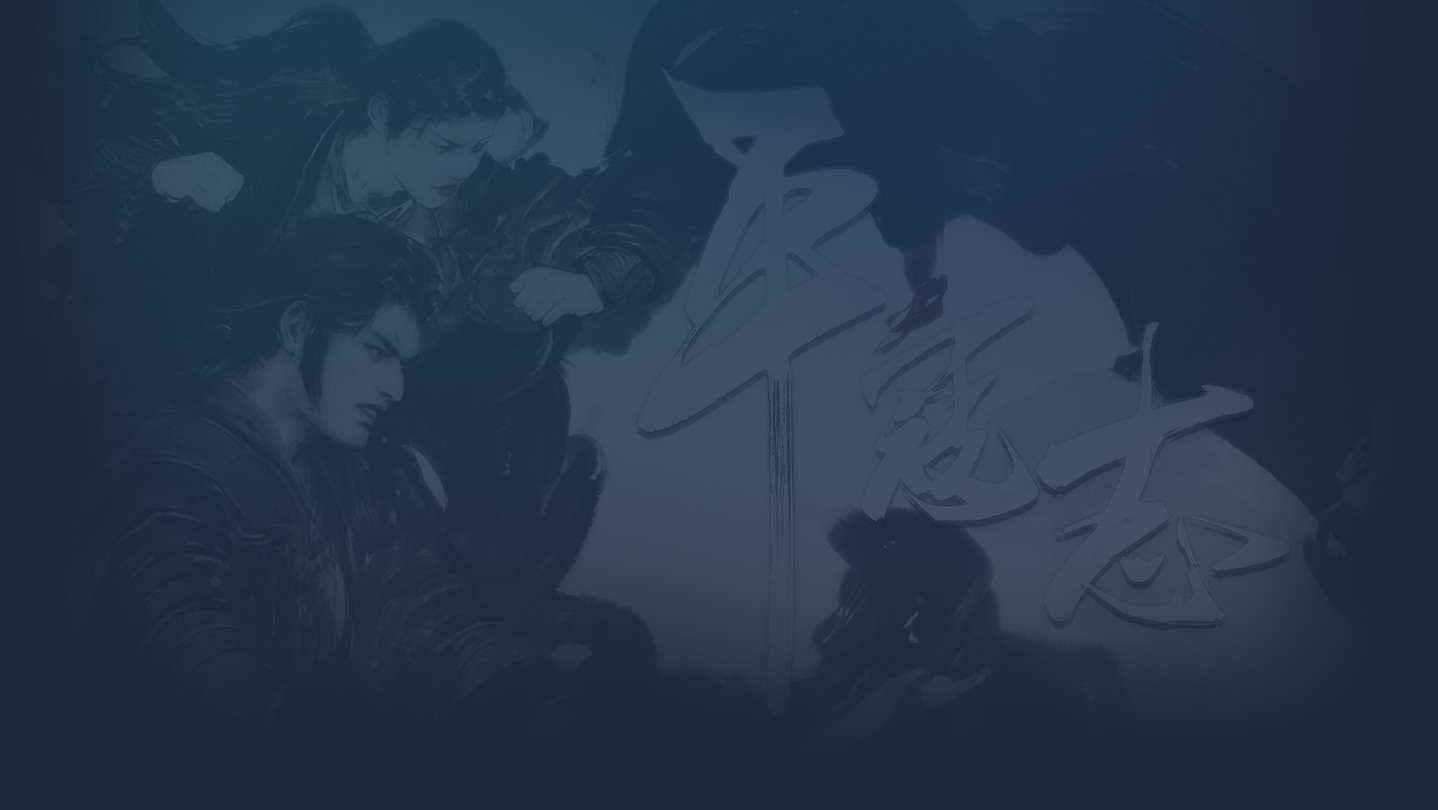
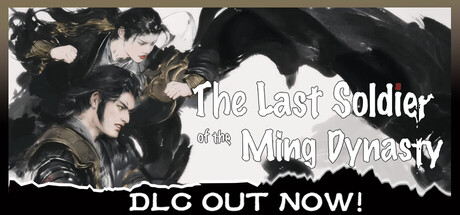
Compara los precios de The Last Soldier of the Ming Dynasty en tiendas de claves de confianza y encuentra la mejor oferta. Desarrollado por Circuit_Art. Publicado por 2P Games. Lanzado el 6/12/2023. Disponible en PC. Géneros: Action, Adventure, Indie, RPG.

A scrappy debut souls-like wearing the most distinctive art direction you'll see this year - worth your attention if you can stomach rough edges and menu text that occasionally forgets English exists.

My first few minutes with The Last Soldier of the Ming Dynasty felt like finding a handmade zine tucked between glossy magazines - the intentions are sincere, the craft is uneven, and the whole thing carries a kind of earnest stubbornness I find hard to dismiss. Circuit_Art's debut drops you onto Fuling Island as Feng Haiping, a Qi army soldier shipwrecked in Wokou pirate territory with nothing but a sword and the unenviable task of dismantling five pirate warlords on his own. It is a focused, linear premise, and the game is better for keeping its scope honest. The combat is where this one earns its keep - and where the conversation gets interesting. The system is built around three basic attack types: stab, cleave, and sweep. That trio isn't just offensive; it defines your defense too. Each enemy telegraphs which of those three moves they're launching, and your job is to parry with the matching input at the right moment to break their stamina and open a counterattack window. Early enemies are forgiving enough to let you learn the rhythm, while later encounters layer in speed and combo complexity that genuinely tests how well you've absorbed the language of the fights. Community players who stuck with it compared the feel to Sekiro's parry loop - high praise for a first-time studio - and several noted the hit detection holds up better than the rest of the package might suggest. A ranged option exists too: bows and a musket round out the historically-sourced weapon roster, alongside upgradeable armor and skills unlocked through a "Dream" training space at checkpoints. Here is the honest accounting, though. The localization is a genuine obstacle. Sections of the UI and menu screens remain in Chinese even on an English install, and some in-game text mid-scene slips back to Chinese without warning. The camera is entirely manual with no lock-on, which punishes you most during the technical boss encounters where you most need spatial clarity. Environmental design is sparse and the character models carry the exaggerated proportions of classical Chinese ink paintings - big torsos, short legs - which is an intentional artistic choice but takes adjusting to. Performance stutters have been reported, and some ability bugs required full restarts to resolve. These are first-game problems, not malice, but they are real friction. The art direction, though, deserves its own paragraph because it is genuinely distinctive. The world is rendered in a muted ink-wash palette, with heavy calligraphic linework across landscapes, menus, and world map alike. Splashes of colour erupt during heavy attacks and special combos, which gives the fighting a ceremonial weight. It is the kind of visual signature that a bigger studio might have sanded away for broader palatability, and I'm glad it survived intact. Two DLCs have since expanded the game with new maps, bosses, weapons, costumes, and a roguelike mode - so the developers have continued investing in the world past launch, which matters when evaluating a rough debut. This is not a game for everyone, and it knows it. If you need a polished UI, crisp English throughout, and a camera that behaves, this will frustrate you quickly. But if you have patience for a scrappy first effort with a genuinely original visual identity and a parry-based combat loop that punishes sloppiness and rewards attention, there is something real here. The Ming Dynasty deserves at least a scouting report. Kai, Scout Team

The Last Soldier of the Ming Dynasty

The Last Soldier of the Ming Dynasty

6 dic 2023Circuit_Art2P Games
GamerScout opina

A scrappy debut souls-like wearing the most distinctive art direction you'll see this year - worth your attention if you can stomach rough edges and menu text that occasionally forgets English exists.

PC
Steam Deck Unsupported
Mejor precio disponible
1,39 €
en Kinguin
Mínimo registrado: 1,39 €
Sigue este precio

Veredicto de GamerScout

Best for patient souls-like fans drawn to historical Chinese settings who can forgive a rough-edged debut in exchange for a genuinely distinctive visual identity.

Comparar precios(4 tiendas)

KinguinMejor precio
StandardGlobalSteam KeyClave
1,39 €
La tienda fija el precio en EUR
Comprar
StandardGlobalSteam KeyClave
1,67 €-89%
La tienda fija el precio en EUR
Comprar
StandardEuropa (UE)Steam KeyClave
1,73 €
La tienda fija el precio en EUR
Comprar
StandardGlobalSteam KeyClave
2,01 €-18%
La tienda fija el precio en EUR
Comprar
StandardGlobalSteam KeyClave
5,02 €-66%
La tienda fija el precio en EUR
Comprar

Todas las tiendas de esta tabla nos dan el precio en euros, así que la cifra en EUR es el precio que fijó el vendedor, no un cálculo nuestro, y por eso EUR es también la moneda en la que calculamos el ranking. Solo incluimos aquí una oferta cuando la tienda nos da su precio en euros, de modo que ninguna cifra de esta tabla es inventada por nosotros.

Elige USD, PLN, GBP, CAD o AUD en la cabecera y convertimos desde EUR con el tipo de cambio de referencia del Banco Central Europeo — los importes convertidos llevan el prefijo ~. Tu banco o la tienda pueden aplicar un tipo distinto al pagar. Nunca ocultamos ofertas según dónde estés: todo el mundo ve esta tabla completa.

We may earn a commission when you buy games through links on this page — at no extra cost to you. It never affects our rankings or verdicts.

Historial de precios

Mínimo registrado
1,39 €5 jun 2026
Mejor precio actual
1,39 €
El más bajo desde que lo seguimos
Tiendas de claves
1,28 €1,35 €1,43 €1,50 €5 Jun23 Jun11 Jul28 Jul15 Aug
5 jun — 15 ago
Crear alerta

Capturas y multimedia

Acerca de The Last Soldier of the Ming Dynasty

My first few minutes with The Last Soldier of the Ming Dynasty felt like finding a handmade zine tucked between glossy magazines - the intentions are sincere, the craft is uneven, and the whole thing carries a kind of earnest stubbornness I find hard to dismiss. Circuit_Art's debut drops you onto Fuling Island as Feng Haiping, a Qi army soldier shipwrecked in Wokou pirate territory with nothing but a sword and the unenviable task of dismantling five pirate warlords on his own. It is a focused, linear premise, and the game is better for keeping its scope honest. The combat is where this one earns its keep - and where the conversation gets interesting. The system is built around three basic attack types: stab, cleave, and sweep. That trio isn't just offensive; it defines your defense too. Each enemy telegraphs which of those three moves they're launching, and your job is to parry with the matching input at the right moment to break their stamina and open a counterattack window. Early enemies are forgiving enough to let you learn the rhythm, while later encounters layer in speed and combo complexity that genuinely tests how well you've absorbed the language of the fights. Community players who stuck with it compared the feel to Sekiro's parry loop - high praise for a first-time studio - and several noted the hit detection holds up better than the rest of the package might suggest. A ranged option exists too: bows and a musket round out the historically-sourced weapon roster, alongside upgradeable armor and skills unlocked through a "Dream" training space at checkpoints. Here is the honest accounting, though. The localization is a genuine obstacle. Sections of the UI and menu screens remain in Chinese even on an English install, and some in-game text mid-scene slips back to Chinese without warning. The camera is entirely manual with no lock-on, which punishes you most during the technical boss encounters where you most need spatial clarity. Environmental design is sparse and the character models carry the exaggerated proportions of classical Chinese ink paintings - big torsos, short legs - which is an intentional artistic choice but takes adjusting to. Performance stutters have been reported, and some ability bugs required full restarts to resolve. These are first-game problems, not malice, but they are real friction. The art direction, though, deserves its own paragraph because it is genuinely distinctive. The world is rendered in a muted ink-wash palette, with heavy calligraphic linework across landscapes, menus, and world map alike. Splashes of colour erupt during heavy attacks and special combos, which gives the fighting a ceremonial weight. It is the kind of visual signature that a bigger studio might have sanded away for broader palatability, and I'm glad it survived intact. Two DLCs have since expanded the game with new maps, bosses, weapons, costumes, and a roguelike mode - so the developers have continued investing in the world past launch, which matters when evaluating a rough debut. This is not a game for everyone, and it knows it. If you need a polished UI, crisp English throughout, and a camera that behaves, this will frustrate you quickly. But if you have patience for a scrappy first effort with a genuinely original visual identity and a parry-based combat loop that punishes sloppiness and rewards attention, there is something real here. The Ming Dynasty deserves at least a scouting report.

Kai
Kai · Scout Team

Indie & narrative

Etiquetas

singleplayerachievementscontroller-supporttrading-cardstier:sub-5Parry-Focused CombatChinese HistoryInk-Wash AestheticDebut StudioBoss RushRoguelike Mode DLCStamina Break System

Requisitos del sistema

Mínimos

OS
Windows 10
Memory
8 GB RAM
DirectX
Version 11
Network
Broadband Internet connection
Storage
20 GB available space
Graphics
GTX 1050ti 4G
Processor
i5-3570K

Recomendados

OS
Windows 10
Memory
8 GB RAM
DirectX
Version 11
Network
Broadband Internet connection
Storage
20 GB available space
Graphics
GTX 1660s 8G
Processor
Intel Core i7 6700

Sigue explorando

Community Discussion

Be the first to comment on The Last Soldier of the Ming Dynasty.

Reseñas y valoraciones

No hay valoraciones disponibles

Información del juego

Desarrolladora
Circuit_Art
Distribuidora
2P Games
Fecha de lanzamiento
6 dic 2023

Alerta de precio

¡Recibe un aviso cuando el precio baje de tu objetivo!

Crear alerta
Mejor precio1,39 €
Ver oferta

En los 21.266 juegos que seguimos, una clave verificada fue más barata que la tienda oficial el 92% de las veces. Consulta el método y las cifras completas en nuestro informe de precios de juegos.

¿Sin tarjeta? Paga de otra forma

Recarga tu saldo de Steam o compra crypto con cualquier tarjeta — entrega instantánea, sin cuenta bancaria.

Compra mejor: guías útiles

¿Buscas más? Mira juegos como The Last Soldier of the Ming Dynasty →

Preguntas frecuentes sobre The Last Soldier of the Ming Dynasty

¿Cuánto cuesta The Last Soldier of the Ming Dynasty?

A 15 de agosto de 2026, la oferta más barata disponible de The Last Soldier of the Ming Dynasty es €1.39 en Kinguin, de entre 5 ofertas activas que seguimos en tiendas de claves verificadas. Los precios cambian a diario — la tabla de esta página se actualiza continuamente.

¿Dónde puedo comprar The Last Soldier of the Ming Dynasty más barato?

El precio más bajo disponible que seguimos para The Last Soldier of the Ming Dynasty es €1.39 en Kinguin (15 de agosto de 2026). Comparamos 5 ofertas activas de tiendas de claves verificadas — la tabla completa con cada tienda y su puntuación de confianza está en esta página.

¿En qué plataformas está disponible The Last Soldier of the Ming Dynasty?

The Last Soldier of the Ming Dynasty está disponible en PC.

¿Cuándo se lanzó The Last Soldier of the Ming Dynasty?

The Last Soldier of the Ming Dynasty se lanzó el 6 de diciembre de 2023.

¿Quién desarrolló The Last Soldier of the Ming Dynasty?

The Last Soldier of the Ming Dynasty fue desarrollado por Circuit_Art y publicado por 2P Games.