Soul Hackers 2 - Digital Premium Edition
Ringo and her crew of Devil Summoners are genuinely worth your time - but only if you can forgive dungeons that feel copy-pasted from a budget B-side of a much better Atlus game.
Veredicto de GamerScout
Best for Megaten newcomers and character-arc fans; veterans wanting SMT's full mechanical bite will leave hungry.
Comparar precios(3 tiendas)
Todas las tiendas de esta tabla nos dan el precio en euros, así que la cifra en EUR es el precio que fijó el vendedor, no un cálculo nuestro, y por eso EUR es también la moneda en la que calculamos el ranking. Solo incluimos aquí una oferta cuando la tienda nos da su precio en euros, de modo que ninguna cifra de esta tabla es inventada por nosotros.
Elige USD, PLN, GBP, CAD o AUD en la cabecera y convertimos desde EUR con el tipo de cambio de referencia del Banco Central Europeo — los importes convertidos llevan el prefijo ~. Tu banco o la tienda pueden aplicar un tipo distinto al pagar. Nunca ocultamos ofertas según dónde estés: todo el mundo ve esta tabla completa.
We may earn a commission when you buy games through links on this page — at no extra cost to you. It never affects our rankings or verdicts.
Historial de precios
Capturas y multimedia
Acerca de Soul Hackers 2 - Digital Premium Edition
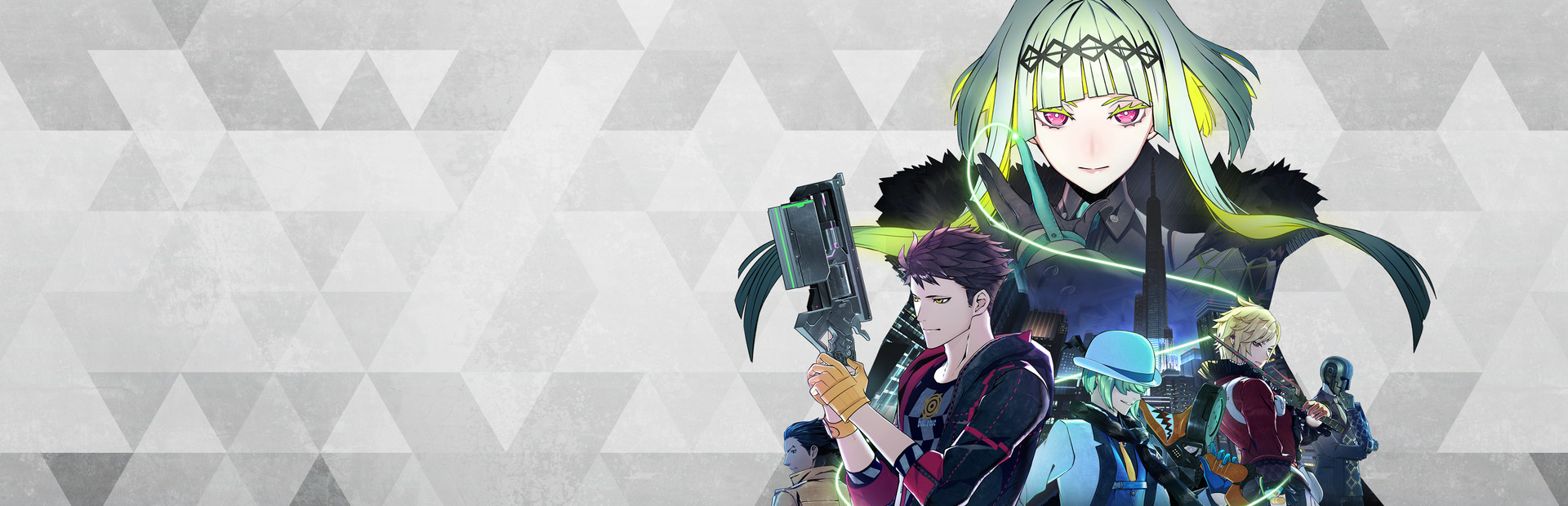
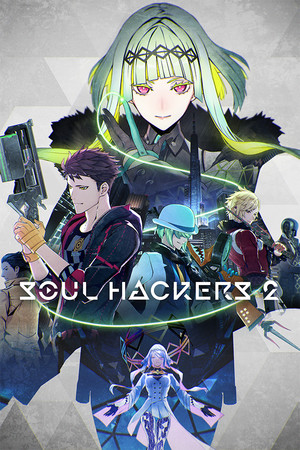
I came into Soul Hackers 2 expecting the stylish, mechanically layered experience Atlus is known for, and what I got was something more complicated: a game with a cast I ended up genuinely liking, wrapped around systems that feel purposefully sanded down until the sharp edges are gone. That tension defines the whole experience. At its core, this is a turn-based JRPG set in a neon-soaked cyberpunk Japan where devil summoners called Yatagarasu and the Phantom Society are locked in a war for the fate of the world. You play as Ringo, an artificial being created by the entity Aion, who resurrects a small squad of summoners to stop an apocalypse. The party - Ringo, Arrow, Milady, and Saizo - each carries emotional baggage that slowly unspools through Soul Bond events back at the team bar. Those bar hangouts are the soul of the game (pun regrettably intended): they do more character work per scene than most JRPGs manage in an entire act, and watching these guarded, damaged people cautiously warm to each other is quietly affecting. The cast is the saving grace here, full stop. Combat swaps out the iconic Press Turn system of mainline SMT for a Stack-based Sabbath mechanic. Every time a party member hits an elemental weakness, a stack counter climbs, and at the end of the turn that stack discharges as a Sabbath - a burst hit that cannot be blocked. It is faster and more forgiving than Press Turn, and it removes the punishing back-and-forth of SMT5 where a missed weakness costs you a whole turn. Each character equips a demon that dictates their skill set and elemental affinities, and you can upgrade COMPs (the summoning weapons) to tweak stats and unlock Commander Skills that let you swap demons mid-fight. Demon Fusion returns, and cycling through builds to find broken synergies is as satisfying as ever. What is missing is negotiation: demons are recruited passively through Demon Recon, where your stock wanders dungeons and returns with items, money, or a new recruit. It is convenient, but it strips out one of the franchise's most iconic friction points. The dungeons are where patience runs thin. They are corridor-heavy, visually repetitive, and largely devoid of the environmental puzzle design that made SMT's dungeon crawling feel meaningful. Critics and players alike have flagged this, and after a few hours it is hard to disagree - the dungeon structure feels like scaffolding that never got dressed. The narrative pacing in the early hours is also slow enough to test your commitment; it takes a solid ten or more hours before the stakes click into place. For veterans of the SMT or Persona series, the reduced mechanical complexity may sting. Choices rarely carry weight, and the difficulty rarely escalates to a point where tight demon-build planning feels essential outside of optional content. The Digital Premium Edition bundles additional scenario content and costume packs, which add modest extra context for the party members without fixing the structural issues. As a 35-to-40-hour JRPG with a strong cast, a stylish art direction, and a combat loop that is genuinely enjoyable in short bursts, Soul Hackers 2 is a reasonable pick - especially for players newer to the Megaten family who want an accessible entry point without drowning in Press Turn theory. Hardened SMT veterans looking for the series' trademark bite will find it too soft. Persona fans expecting the social calendar depth of that series will find it too thin. It lives in the middle, which is both its appeal and its limitation.

RPGs
Etiquetas
Requisitos del sistema
Mínimos
- OS
- Windows 10
- Processor
- Intel Core i5-3470 or AMD Ryzen 3 1200
- Memory
- 8 GB RAM
- Graphics
- NVIDIA GeForce GTS 450, 1 GB or AMD Radeon HD 5770, 1 GB DirectX…
Recomendados
- OS
- Windows 10
- Processor
- Intel Core i5-8600 or AMD Ryzen 5 3600
- Memory
- 8 GB RAM
- Graphics
- NVIDIA GeForce GTX 760, 2 GB or AMD Radeon HD 7870, 2 GB Dir…
Sigue explorando
Community Discussion
Be the first to comment on Soul Hackers 2 - Digital Premium Edition.
Reseñas y valoraciones
Información del juego
- Desarrolladora
- ATLUS
- Distribuidora
- SEGA
- Fecha de lanzamiento
- 25 ago 2022