MARVEL Tōkon: Fighting Souls
Arc System Works finally gets their hands on Marvel, and the 4v4 tag fighter launching August 6, 2026 looks like the game the FGC has been waiting for since MvC3 died.
Veredicto de GamerScout
Strong buy for tag fighter fans who want Marvel IP with real Arc System Works mechanical depth, assuming the assist patch holds up at launch.
Comparar precios(7 tiendas)
Todas las tiendas de esta tabla nos dan el precio en euros, así que la cifra en EUR es el precio que fijó el vendedor, no un cálculo nuestro, y por eso EUR es también la moneda en la que calculamos el ranking. Solo incluimos aquí una oferta cuando la tienda nos da su precio en euros, de modo que ninguna cifra de esta tabla es inventada por nosotros.
Elige USD, PLN, GBP, CAD o AUD en la cabecera y convertimos desde EUR con el tipo de cambio de referencia del Banco Central Europeo — los importes convertidos llevan el prefijo ~. Tu banco o la tienda pueden aplicar un tipo distinto al pagar. Nunca ocultamos ofertas según dónde estés: todo el mundo ve esta tabla completa.
We may earn a commission when you buy games through links on this page — at no extra cost to you. It never affects our rankings or verdicts.
Historial de precios
Capturas y multimedia
Acerca de MARVEL Tōkon: Fighting Souls
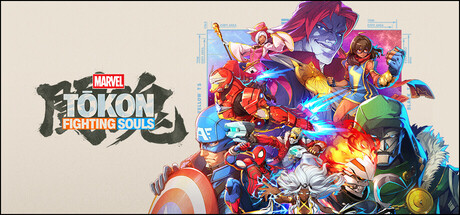
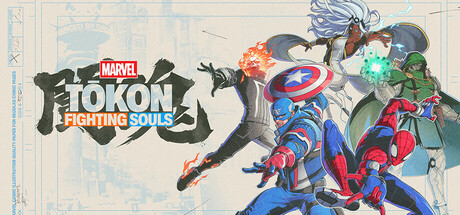
My first thought when they announced this was: Arc System Works plus Marvel IP is either going to be the best thing to happen to tag fighters in a decade, or a licensed cash-grab with pretty visuals and no soul. Two closed betas later, the evidence leans hard toward the former, with a few caveats worth knowing before you lock in. The core format is 4v4 tag, but it works differently from what you might expect coming off Marvel vs. Capcom muscle memory. You start each match with one active fighter and one assist, and your full roster of four only comes online as you hit mid-match triggers like damage thresholds and Wall Breaks, those stage transitions that shunt the fight into a new arena section. It means early rounds play smaller and more deliberate, then escalate into the kind of chaotic simultaneous-four-character action the format promises. The shared health bar across your team is the biggest structural quirk. Tag carelessly and you are handing your opponent a punish window directly against your HP total, not a separate bar. That one design decision pushes team composition thinking way earlier in matches than in most tag games. Characters feel genuinely distinct: Captain America is the safe, grounded starter; Iron Man runs air dashes and beam zoning; Ghost Rider plays whiff-punish bully with his Hellfire Chain; Peni Parker uses a mech body and trap-heavy setplay to control space from a completely different geometry than anyone else on the roster. Magneto apparently turns stage debris into projectiles that persist on screen, and Carnage inflicts a symbiote-debuff state that amplifies his damage window. The roster mix of iconic anchors and genuinely obscure picks like Danger and Magik is one of the most interesting FGC lineups in recent memory. On the accessibility question, the dual input system is handled more honestly than most modern fighters manage. Using the Quick Skill shortcut button costs a 10 percent damage penalty versus running proper motion inputs, which is the right call mechanically: casuals get their fireballs, but the execution investment still has measurable payoff. Auto combos are available and safe enough to lean on early, but they are negative on block at high level and leave damage on the table. The skill ceiling is clearly there. What the beta build showed before launch was a game that still had questions around the assist and tag economy, specifically those mechanics eating too much screen time and animation frames. The dev team acknowledged this directly and shipped a documented 10-point patch addressing tag speed, dedicated assist and tag buttons, and combo routing adjustments before the August 6 release date. That responsiveness to beta feedback is a good sign, though only the live game will tell whether the fixes landed properly. Rollback netcode was confirmed and working in both betas, with the first beta's online performance drawing notably positive comments from players who historically compare it to the nightmare of older Marvel titles. Cross-platform play between PS5 and PC is live at launch, which matters for population health in a tag fighter where ranked needs critical mass to stay playable past the honeymoon week. The ranked and casual split is in, so there is structure for competitive players. Lobby infrastructure had some friction during the second beta, specifically around connecting with friends, but that is the kind of thing that usually gets fixed before ship. The visual presentation is legitimately impressive: a 2.5D anime-inspired art style running at a locked 60fps in battle, 4K support on compatible hardware, and character designs that are among the best these Marvel characters have ever looked. It is Arc's best-looking game to date by most accounts from people who've had hands-on time. The concern heading into August is on the business side: a Year 1 Character and Stage Pass with DLC expected through December 2027 means the roster investment extends well beyond the launch price. That is normal for the genre, but worth factoring into your decision. For PC players specifically: DualSense wired support is in, 60fps is locked during matches, and cross-play means you are not bottlenecked by console population. Whether your fight stick or preferred polling rate setup behaves well at launch remains to be seen, but Arc's PC ports in recent years have been reasonable. This is the most anticipated tag fighter since Dragon Ball FighterZ, and for good reason.
Shooters
Etiquetas
Requisitos del sistema
Mínimos
- OS
- TBD
- Graphics
- TBD
- Processor
- TBD
Recomendados
- OS
- TBD
- Graphics
- TBD
- Processor
- TBD
Sigue explorando
Community Discussion
Be the first to comment on MARVEL Tōkon: Fighting Souls.
Reseñas y valoraciones
No hay valoraciones disponibles
Información del juego
- Desarrolladora
- ARC SYSTEM WORKS CO., LTD
- Distribuidora
- PlayStation Publishing LLC
- Fecha de lanzamiento
- 6 ago 2026