Compara los precios de Deep Despair en tiendas de claves de confianza y encuentra la mejor oferta. Desarrollado por BekkerDev Studio. Publicado por BekkerDev Studio. Lanzado el 17/2/2020. Disponible en PC. Géneros: Action, Adventure, Indie, RPG, Simulation.

A retro 2D survival sandbox that wears its Minecraft debt openly, but lands at a 'Mixed' rating on Steam for a reason. Worth knowing what you're getting before you click anything.

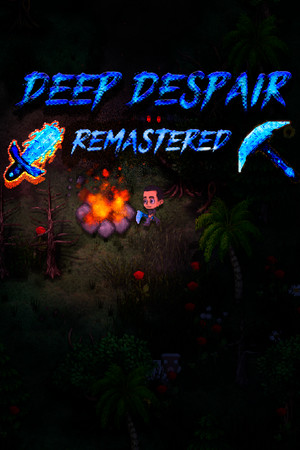
I've spent time with plenty of survival sandboxes in the sub-5 dollar tier, and the honest truth about Deep Despair is that it sits exactly at the midpoint of that market: not broken enough to refund, not deep enough to hold you past the first few hours. The game is a top-down, pixel-art survival crafting loop built by a solo hobbyist developer, and that context matters when you set your expectations. With around 235 Steam reviews landing at roughly 67 percent positive, the community reaction is split in a way that maps almost perfectly to one question: do you need mechanical novelty, or are you fine retracing familiar ground in a smaller package? The core loop follows a recognizable rhythm. You punch trees to get logs, split those logs on the ground with an axe to get usable wood, then craft a shelter before nightfall. Night matters here because underdeveloped characters get punished hard by dark-hour enemies, so the first couple of sessions are genuinely tense on that clock. The world is structured into four vertical tiers: the surface, standard caves, caves with rivers, and lava-level caves. Each descent unlocks more valuable resources, which creates a light progression incentive to push deeper even when the surface has everything you need to stay comfortable. Abandoned mines appear in the dungeons, adding a small discovery reward for explorers. Bonfire maintenance, an advanced hunger system, crop farming, and hunting round out the survival columns. Over 100 content items are claimed, which sounds generous but the density of meaningful crafting decisions is considerably thinner than that number implies. Where the game earns its positive reviews is in pure accessibility. The retro pixel aesthetic runs on very modest hardware, the session structure is low-commitment, and the absence of multiplayer pressure means you can farm crops and dig tunnels entirely at your own pace. The developer has stated openly that game development is a personal hobby, which explains both the game's charm and its rough patches. There is no tutorial that respects newcomers in any structured sense: you are dropped in and expected to figure out the wood-to-log workflow, bonfire fuel management, and shelter-build timing largely through trial and death. That is fine for genre veterans but a real friction point for anyone new to survival crafting. The structural problems are hard to ignore if you come from genre stalwarts. The AI quality is minimal, enemy behavior is basic, and there is no mod ecosystem to speak of. Decision depth at the late-game is thin: once you have shelter, food supply, and weapons sorted, the systems do not compound into interesting new choices the way they do in Terraria or even a game like Starbound. The hunger system, specifically, drew community complaints about micromanagement without enough payoff, with players asking whether it could be toggled. BekkerDev Studio has released sequels (Deep Despair 2 and 3, which expand into procedural generation, brewing, animal breeding, and electricity), which suggests the original entry is largely a foundation stone rather than a complete experience. If you are looking at this as a budget curiosity, an afternoon time-filler, or an entry point into the survival genre with very low stakes, it delivers on those narrow terms. If you want build variety, AI that reacts intelligently, or a crafting tree with late-game branching depth, this will feel thin inside two hours. The sequel lineup is worth a look if the first entry connects with you. Diego, Scout Team

Deep Despair

Deep Despair

17 feb 2020BekkerDev Studio
GamerScout opina

A retro 2D survival sandbox that wears its Minecraft debt openly, but lands at a 'Mixed' rating on Steam for a reason. Worth knowing what you're getting before you click anything.

PC
Steam Deck Playable
Mejor precio disponible
€0.00
en N/A
Mínimo histórico: €0.41

Comparar precios(0 tiendas)

Cargando precios...

We may earn a commission when you buy games through links on this page — at no extra cost to you. It never affects our rankings or verdicts.

Historial de precios

Historical low
€0.419 Jun 2026
Keyshops
€0.38€0.40€0.42€0.449 Jun14 Jun19 Jun23 Jun28 Jun
Tracking prices since 9 Jun 2026
Create alert

Capturas y multimedia

Acerca de Deep Despair

I've spent time with plenty of survival sandboxes in the sub-5 dollar tier, and the honest truth about Deep Despair is that it sits exactly at the midpoint of that market: not broken enough to refund, not deep enough to hold you past the first few hours. The game is a top-down, pixel-art survival crafting loop built by a solo hobbyist developer, and that context matters when you set your expectations. With around 235 Steam reviews landing at roughly 67 percent positive, the community reaction is split in a way that maps almost perfectly to one question: do you need mechanical novelty, or are you fine retracing familiar ground in a smaller package? The core loop follows a recognizable rhythm. You punch trees to get logs, split those logs on the ground with an axe to get usable wood, then craft a shelter before nightfall. Night matters here because underdeveloped characters get punished hard by dark-hour enemies, so the first couple of sessions are genuinely tense on that clock. The world is structured into four vertical tiers: the surface, standard caves, caves with rivers, and lava-level caves. Each descent unlocks more valuable resources, which creates a light progression incentive to push deeper even when the surface has everything you need to stay comfortable. Abandoned mines appear in the dungeons, adding a small discovery reward for explorers. Bonfire maintenance, an advanced hunger system, crop farming, and hunting round out the survival columns. Over 100 content items are claimed, which sounds generous but the density of meaningful crafting decisions is considerably thinner than that number implies. Where the game earns its positive reviews is in pure accessibility. The retro pixel aesthetic runs on very modest hardware, the session structure is low-commitment, and the absence of multiplayer pressure means you can farm crops and dig tunnels entirely at your own pace. The developer has stated openly that game development is a personal hobby, which explains both the game's charm and its rough patches. There is no tutorial that respects newcomers in any structured sense: you are dropped in and expected to figure out the wood-to-log workflow, bonfire fuel management, and shelter-build timing largely through trial and death. That is fine for genre veterans but a real friction point for anyone new to survival crafting. The structural problems are hard to ignore if you come from genre stalwarts. The AI quality is minimal, enemy behavior is basic, and there is no mod ecosystem to speak of. Decision depth at the late-game is thin: once you have shelter, food supply, and weapons sorted, the systems do not compound into interesting new choices the way they do in Terraria or even a game like Starbound. The hunger system, specifically, drew community complaints about micromanagement without enough payoff, with players asking whether it could be toggled. BekkerDev Studio has released sequels (Deep Despair 2 and 3, which expand into procedural generation, brewing, animal breeding, and electricity), which suggests the original entry is largely a foundation stone rather than a complete experience. If you are looking at this as a budget curiosity, an afternoon time-filler, or an entry point into the survival genre with very low stakes, it delivers on those narrow terms. If you want build variety, AI that reacts intelligently, or a crafting tree with late-game branching depth, this will feel thin inside two hours. The sequel lineup is worth a look if the first entry connects with you.

Diego
Diego · Scout Team

Strategy & simulation

Etiquetas

singleplayertrading-cardstier:sub-5Top-Down Survival4-Tier WorldBonfire MechanicsHunger ManagementSolo DevBudget SandboxResource TieringPixel Survival

Requisitos del sistema

Mínimos

OS
Windows XP, Vista, 7, 8, 10
Memory
2 GB RAM
DirectX
Version 9.0
Storage
400 MB available space
Graphics
NVIDIA GeForce GT 710 / AMD Radeon R7 240
Processor
Quad Core Processor 2.6+ GHz

Sigue explorando

Community Discussion

Be the first to comment on Deep Despair.

Reseñas y valoraciones

No hay valoraciones disponibles

Información del juego

Desarrolladora
BekkerDev Studio
Distribuidora
BekkerDev Studio
Fecha de lanzamiento
17 feb 2020

Alerta de precio

¡Recibe un aviso cuando el precio baje de tu objetivo!

Crear alerta

Más de BekkerDev Studio

Compra mejor: guías útiles

¿Buscas más? Mira juegos como Deep Despair →

Preguntas frecuentes sobre Deep Despair

¿Cuánto cuesta Deep Despair?

El precio de Deep Despair cambia a menudo y varía según la tienda, la edición y la región. La tabla de precios en vivo de esta página compara las ofertas más baratas en stock de tiendas de claves de confianza como Eneba y Kinguin, para que siempre veas el precio más bajo actual antes de comprar.

¿Dónde puedo comprar Deep Despair más barato?

Compara los precios de Deep Despair en todas las tiendas verificadas en la tabla de precios de esta página. Listamos las ofertas de claves y tiendas más baratas en stock, actualizadas con frecuencia, para que siempre veas la mejor oferta actual antes de comprar.

¿En qué plataformas está disponible Deep Despair?

Deep Despair está disponible en PC.

¿Cuándo se lanzó Deep Despair?

Deep Despair se lanzó el 17 de febrero de 2020.

¿Quién desarrolló Deep Despair?

Deep Despair fue desarrollado por BekkerDev Studio.