Zwei: The Ilvard Insurrection
Falcom's most slept-on action RPG pairs a wisecracking treasure hunter with a haughty vampire princess and asks: what if your XP bar was a lunch tray? Ys fans, this one flew under your radar for too long.
GamerScout Verdict
Best for Ys veterans and Falcom completionists who want a breezy 25-hour dungeon crawler with genuine wit and a food-based leveling system worth trying once.
Compare Prices(4 stores)
Every store in this table quotes us in euros, so the EUR figure is the price the seller actually set, not our arithmetic — which is why EUR is also the currency we rank in. We only list an offer here when the store gives us its price in euros, so nothing in this table is a number we invented.
Pick USD, PLN, GBP, CAD or AUD in the header and we convert from EUR at the European Central Bank reference rate — converted amounts are prefixed with ~. Your bank or the store may apply a different rate at checkout. We never hide offers based on where you are: everyone sees this whole table.
We may earn a commission when you buy games through links on this page — at no extra cost to you. It never affects our rankings or verdicts.
Price History
Screenshots & Media
About Zwei: The Ilvard Insurrection
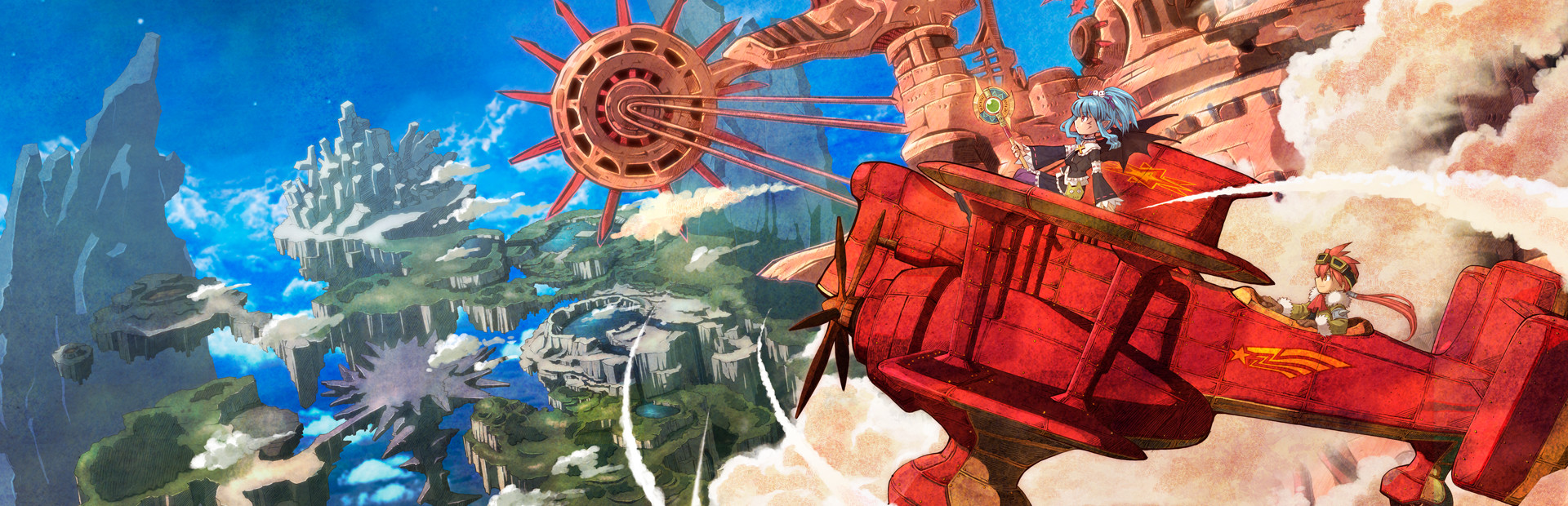
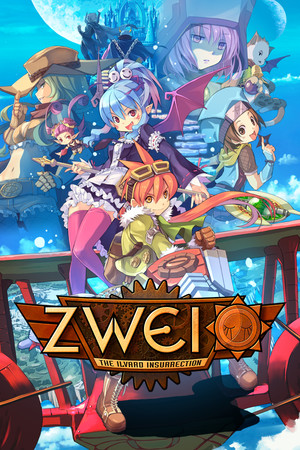
I came to Zwei: The Ilvard Insurrection after exhausting most of Falcom's catalog, and I immediately felt the sting of having ignored it for years. This is a smaller, goofier, more intimate piece of work than Ys or Trails, a dungeon crawler that runs on charm and refuses to apologize for its 2008 bones. Originally released in Japan as Zwei II, it took nearly a decade to reach English speakers via XSEED, and the localization alone is worth talking about: the team rewrote dialogue to flow naturally in English, filling Ragna Valentine's mouth with colorful idioms and punchy banter that makes him one of the more likable Falcom protagonists on record. The central duo is the game's strongest asset. Ragna is a wisecracking pilot-turned-treasure-hunter; Alwen du Moonbria is a trueblood vampire princess who is very aware of her own importance and will remind you of it constantly. They share a blood contract, and a health bar, which is a clever bit of mechanical storytelling, and you switch between them in real time with a single button press. Ragna handles melee combat with his Anchor Gear weapon, which picks up new technical upgrades throughout the adventure. Alwen covers ranged magic, unlocking elemental spells as you reclaim her stolen powers across dungeons. Early on the combat can feel thin, one attack button and a jump is not exactly a deep toolkit, but once Alwen's spell roster fills out and Ragna's Anchor Gear gets some upgrades, switching between them to exploit enemy weaknesses starts to click. Dungeon bosses require specific strategies to crack, which keeps complacency from setting in. The food-based leveling system is the headline mechanical quirk and it genuinely changes how you play. Killing monsters nets you coins and food drops, but zero experience points. Experience only comes from eating. Eat ten of the same item and you can trade them at the restaurant in town for a single upgraded meal that pays out more XP than all ten originals combined, a meaty optimization puzzle sitting quietly underneath the action. The tension between using food as immediate healing inside a dungeon versus hoarding it for a better trade is real, and it makes you think about resource management in ways a flat XP grind never would. The downside: if you hoard compulsively, you will arrive at bosses under-leveled, which is the game politely telling you to stop playing like it is a survival game. Pets purchased from the town shop add another layer, a cat or dog follows you around, auto-collects loot, deals minor damage, and levels up independently, which is both mechanically useful and deeply endearing. On the narrative side, expectations need calibrating. The broad plot arc, recover Alwen's stolen castle and magic from a shadowy threat, is functional rather than revelatory. This is not Trails in the Sky, and the writing does not pretend it is. What the game does exceptionally well is NPC texture. Every resident of Ilvard has a personality, a running thread across the story, and dialogue that evolves as you revisit them. A chain-smoking nun with a hustle, a trio of fairies scouting shop locations, maids with competing work ethics, the world feels populated rather than decorated. That quality of incidental worldbuilding punches well above what the dungeon structure might suggest. The real criticism that lands is dungeon design: corridors connecting rooms connecting corridors, largely elemental-themed, without much mechanical invention inside them. After a few hours the loop is predictable, and the fixed camera means some encounters feel more claustrophobic than tense. At roughly 25 to 30 hours for a main playthrough, with optional content in the G-Coliseum and illusory labyrinths for completionists, the runtime is honest and tight. There is no XP padding here, refreshing from a studio that has occasionally let its longer series overstay a chapter or two. Metacritic sits at 79, which feels right: this is a confident, well-made game with a visible ceiling and a very specific kind of warmth that either grabs you in hour two or it does not. If Ys ever made you feel something, the odds are good this one will too.

RPGs
Tags
System Requirements
Minimum
- OS
- Windows 7
- Memory
- 1 GB RAM
- DirectX
- Version 8.0
- Storage
- 5 GB available space
- Graphics
- NVIDIA Quadro 600
- Processor
- Intel Xeon W3505 @ 2.5 GHz (2-Core)
- Sound Card
- Compatible with DirectX 8
Keep exploring
Community Discussion
Be the first to comment on Zwei: The Ilvard Insurrection.
Reviews & Ratings
Game Info
- Developer
- Nihon Falcom
- Publisher
- XSEED Games
- Release Date
- Oct 31, 2017