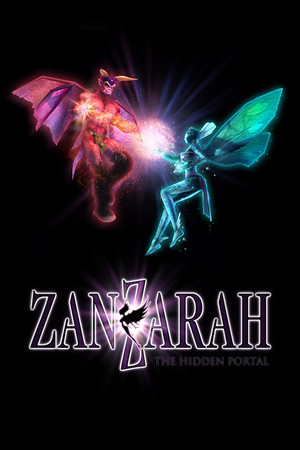
Zanzarah: The Hidden Portal
Pokemon with fairies and a first-person shooter for a battle engine - sounds unhinged, plays surprisingly well. A cult classic from 2002 finally on PC that rewards collectors and type-chart obsessives alike.
GamerScout Verdict
Best for creature-collector fans who want active combat over turn-based menus and can forgive a paper-thin plot.
Compare Prices(9 stores)
Every store in this table quotes us in euros, so the EUR figure is the price the seller actually set, not our arithmetic — which is why EUR is also the currency we rank in. We only list an offer here when the store gives us its price in euros, so nothing in this table is a number we invented.
Pick USD, PLN, GBP, CAD or AUD in the header and we convert from EUR at the European Central Bank reference rate — converted amounts are prefixed with ~. Your bank or the store may apply a different rate at checkout. We never hide offers based on where you are: everyone sees this whole table.
We may earn a commission when you buy games through links on this page — at no extra cost to you. It never affects our rankings or verdicts.
Price History
Screenshots & Media
About Zanzarah: The Hidden Portal
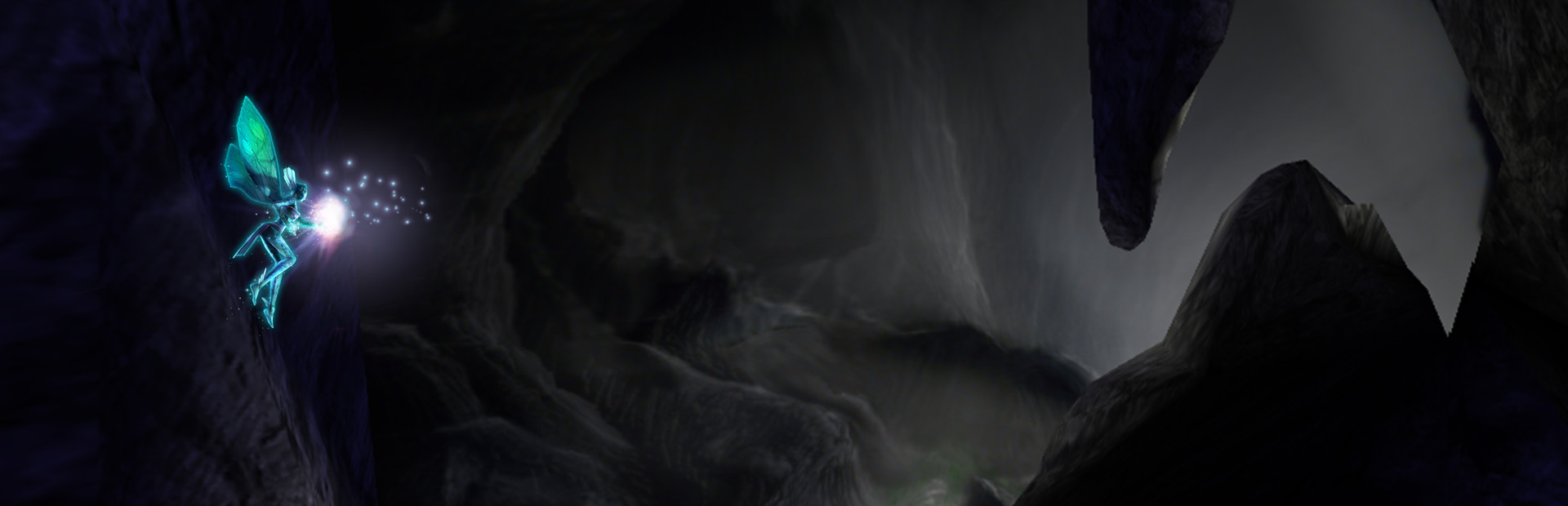
I came into Zanzarah expecting a novelty and left quietly impressed by how well its core concept holds together. The pitch is genuinely weird: you play Amy, a London teenager who gets yanked through a portal into a fantasy realm, then proceeds to build a team of fairies and battle them in real-time first-person arenas. It sounds like a fever dream, and yet the loop is cohesive enough that the game earned a dedicated cult following that is still writing Steam guides two decades after its 2002 debut. The exploration half plays out in third-person as a light action-adventure. Amy wanders biomes ranging from the Enchanted Forest and the Dark Swamp to cloud-level mountain paths and the genuinely eerie Shadow Realm, picking up rune stones, fairy cards, and Spheres for capturing creatures. Navigation is guided rather than open - the world gives you the illusion of independence but funnels you through a fairly set sequence of zones. That is not a dealbreaker, but if you are hoping for CRPG-style player agency and branching choices, Zanzarah has almost none. Amy does not speak during conversations; she listens while goblins, dwarves, and dark elves monologue at her. The writing is thin. The story is a bog-standard prophecy setup. You are here for the creature collection and the combat, not the dialogue trees. And the combat is the hook. When a fight triggers, you drop into a first-person arena and directly control your active fairy, lobbing charged magic blasts at the enemy. Each fairy carries two offense-defense spell pairs that you can toggle mid-fight. Overcharge a blast and it can backfire on your own fairy. The arenas are element-themed - fight a Nature fairy near its tree, and the arena shifts to forest greens and vines. The real strategic layer comes from the twelve elemental types: Fire, Water, Nature, Air, Stone, Ice, Chaos, Energy, Psi, Metal, Dark, and Light, each with specific advantages and vulnerabilities. Get the matchup wrong against a fairy master and a twenty-level deficit matters less than you would expect - the right type can carry a fight it has no business winning. That type-chart depth is genuinely satisfying to learn, even if the FPS controls are sluggish enough that dodging feels more like a suggestion than a skill. Evasion barely works; victory comes from preparation and deck planning, not twitch reflexes. Think of it as a tactics game wearing an FPS skin. The roster spans 77 fairies split across those twelve elements, and each one evolves, making collection a real long-term investment. Steam community veterans estimate the main story at around fifteen to thirty hours depending on pace, with a full completionist run ballooning well past that if you want every fairy leveled and caught. The mandatory grinding to gate progress is the game's most tedious feature - wild fairy encounters pile up fast, and the spell merchant uses a randomized shopping system that can waste your coins on blanks and duplicates until you abuse save-scumming. These are fair criticisms of a 2002 game that never got the sequel it deserved. The graphics are dated and lack native high-resolution support, though community guides exist to help modern systems run it windowed at acceptable resolutions. Who should play this? Anyone who has ever thought creature-collection games needed sharper moment-to-moment combat and a PC-native home. Players who liked the idea of Pokemon but wanted the battles to feel active and consequential. People who do not mind thin narrative as long as the world is atmospheric and the core loop is satisfying. Monika's honest verdict: the story will not reward re-reads, and Amy as a protagonist is about as expressive as a loading screen. But the elemental matchup system has more teeth than it looks, the world has genuine charm, and there is still nothing else quite like it.

RPGs
Tags
System Requirements
Minimum
- OS
- Windows® VISTA,Windows® 7, Windows® 8
- Memory
- 64 MB RAM MB RAM
- DirectX
- Version 8.1
- Storage
- 1400 MB available space
- Graphics
- 3D- Graphics card, 8MB (GeForce, Voodoo 5500)
- Processor
- Athlon or Pentium® 2 Processor with 500 Mhz
Keep exploring
Community Discussion
Be the first to comment on Zanzarah: The Hidden Portal.
Reviews & Ratings
No ratings available
Game Info
- Developer
- Funatics Software
- Publisher
- Daedalic Entertainment
- Release Date
- Aug 20, 2015