Ys SEVEN
If you have ever bounced off a JRPG because the combat felt like turn-based busywork, Ys SEVEN's relentless real-time action and punishing boss fights are the corrective you did not know you needed.
GamerScout Verdict
Best for action RPG fans who want reflex-driven combat and spectacular boss fights without a bloated runtime.
Compare Prices(4 stores)
Every store in this table quotes us in euros, so the EUR figure is the price the seller actually set, not our arithmetic — which is why EUR is also the currency we rank in. We only list an offer here when the store gives us its price in euros, so nothing in this table is a number we invented.
Pick USD, PLN, GBP, CAD or AUD in the header and we convert from EUR at the European Central Bank reference rate — converted amounts are prefixed with ~. Your bank or the store may apply a different rate at checkout. We never hide offers based on where you are: everyone sees this whole table.
We may earn a commission when you buy games through links on this page — at no extra cost to you. It never affects our rankings or verdicts.
Price History
Screenshots & Media
About Ys SEVEN
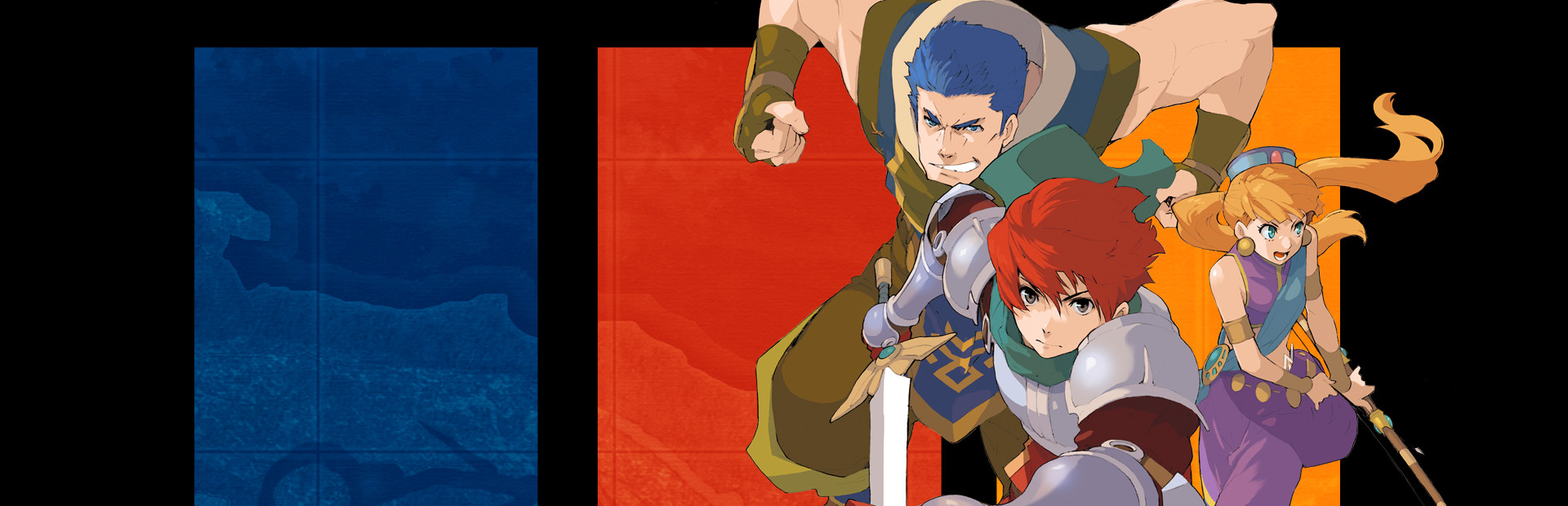
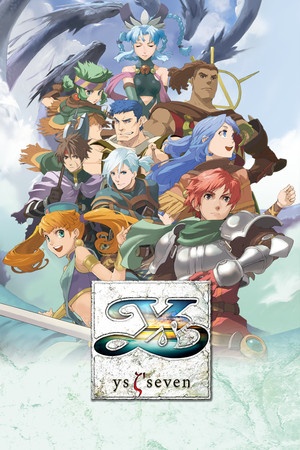
I came to Ys SEVEN expecting a lean, breezy action RPG and got something that sucker-punched me mid-boss fight and made me genuinely rethink how much I respect reflex-demanding combat design. This is the entry that reshaped the entire Ys franchise: the first game in the series to move Adol Christin away from solo adventuring and into a full three-person party, and it is still the template that later entries built on. That pivot matters more than it sounds, because the party system here is not cosmetic. Each of your characters is locked to one of three weapon attributes, slash, strike, or pierce, and enemies have hard weaknesses that make wrong-attribute attacks nearly useless. Dogi's fists crack armored carapaces that Adol's sword barely scratches; Princess Aisha's bow handles aerial enemies neither of them can handle efficiently. You cannot just pick a favorite and coast. The combat loop itself is brisk and deeply satisfying once it clicks. Normal attacks fill a blue SP gauge, and once you have enough SP you fire off weapon-linked skill attacks, each learned by repeated use until the skill becomes yours to keep even after switching weapons. Nail a Flash Guard at the precise moment an attack lands and you nullify the hit, restore SP instantly, and open a window for critical damage. That single mechanic turns every boss encounter into a test of whether you actually read the enemy's animation, not a test of whether you farmed enough levels. The bosses lean into bullet-hell territory, throwing overlapping patterns that demand full attention from the first phase to the last. One mid-game sequence strips your party down to a single character for a boss fight, and that fight is genuinely brutal in the best possible way: pure pattern recognition, no gear solution available. Where the game shows its age and its PSP origins most clearly is in the narrative. The story involves five elemental dragon shrines, a kingdom fracturing under political pressure, and a slow-building catastrophe called the Wind of Destruction. The setup is functional rather than revelatory, and if you came straight from a game with a Disco Elysium-level script you will notice the relatively thin characterization. Side quests exist but lean toward the errand variety, and some late-game dungeon segments stretch on longer than they earn. The writing does have genuine moments of warmth and a localization from XSEED that punches above the source material's weight, but narrative payoff is not why you are here. The Falcom Sound Team jdk soundtrack, on the other hand, is absolutely why you are here. The rock compositions that back each boss encounter are the kind of thing that ends up in playlists years later. On PC, the port is competent rather than exceptional. The jump to higher resolutions is welcome, and the game runs at a locked 60fps on hardware that would embarrass a modern mid-range laptop, which means virtually no one has a performance excuse. The textures betray their handheld origin under HD scrutiny, character models are low-poly in ways that are charming for about an hour before you just accept it, and there is a known fullscreen mode quirk with text positioning that windowed mode sidesteps entirely. Controller support is solid with proper button prompt options for Xbox and DualShock layouts. The game runs lean, around 20 to 35 hours depending on optional boss and side content engagement, which for this genre is a feature not a flaw. Ys SEVEN is the right entry point for action RPG players who want mechanical depth without a 60-hour time commitment, and for series veterans it remains a genuinely satisfying replay even knowing that Ys VIII refined almost everything introduced here. It is not the most ambitious JRPG on the platform, but it is one of the most honest: it knows exactly what it is, delivers it with speed and confidence, and does not waste your time.

RPGs
Tags
System Requirements
Minimum
- OS
- Windows 7, 8, 10
- Memory
- 1 GB RAM
- DirectX
- Version 9.0c
- Storage
- 2 GB available space
- Graphics
- 1280x720 Intel® HD Graphics 4400
- Processor
- Intel® Core™i5 2.4GHz or higher
- Sound Card
- HD Audio
Recommended
- OS
- Windows 7, 8, 10
- Memory
- 4 GB RAM
- DirectX
- Version 9.0c
- Storage
- 2 GB available space
- Graphics
- 1920x1080 NVIDIA® Geforce® GTX950 or higher
- Processor
- Intel® Core™i5-6400 CPU @2.70GHz (4 CPUs), ~2.7GHz
- Sound Card
- HD Audio
Keep exploring
Community Discussion
Be the first to comment on Ys SEVEN.
Reviews & Ratings
Game Info
- Developer
- Nihon Falcom
- Publisher
- XSEED Games
- Release Date
- Aug 30, 2017