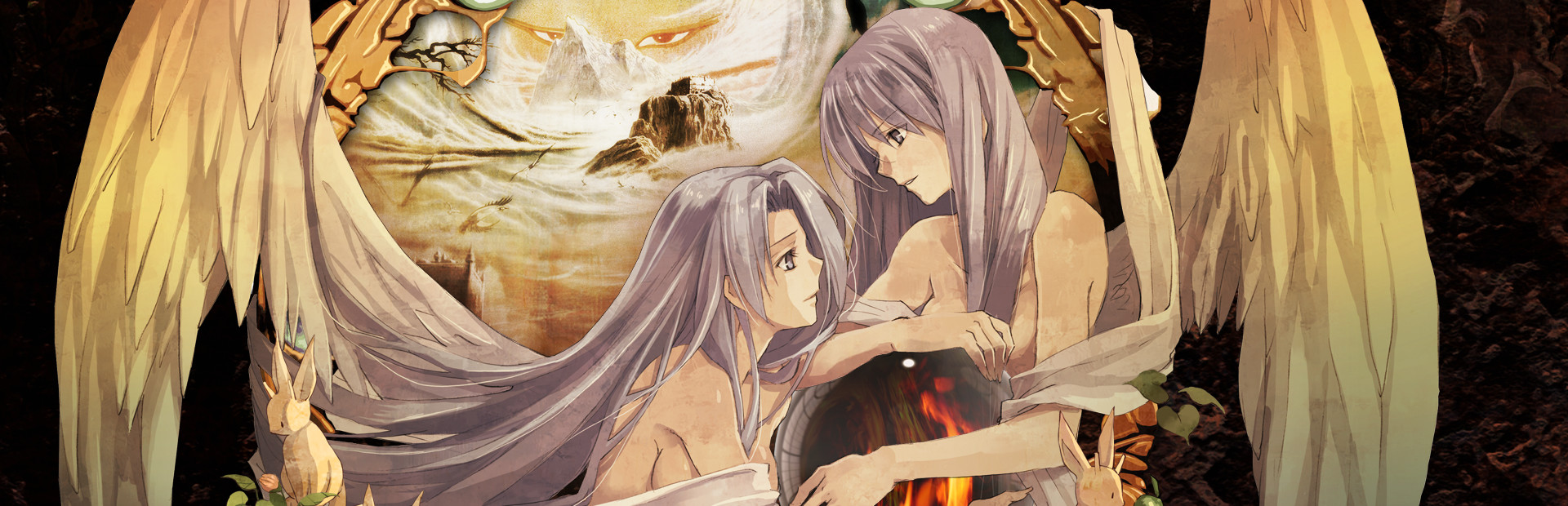
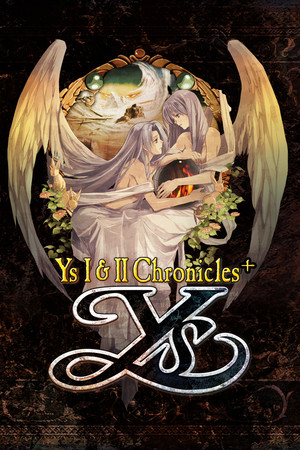
Ys I & II Chronicles+
Two lean, kinetic ARPGs from 1987-88 that hold up better than they have any right to, wrapped in one of the finest soundtracks in the medium. History lesson and genuine good time, both at once.
GamerScout Verdict
The best starting point for Ys newcomers and a worthwhile nostalgia hit for veterans who can tolerate some 1987-era rough edges.
Compare Prices(5 stores)
Every store in this table quotes us in euros, so the EUR figure is the price the seller actually set, not our arithmetic — which is why EUR is also the currency we rank in. We only list an offer here when the store gives us its price in euros, so nothing in this table is a number we invented.
Pick USD, PLN, GBP, CAD or AUD in the header and we convert from EUR at the European Central Bank reference rate — converted amounts are prefixed with ~. Your bank or the store may apply a different rate at checkout. We never hide offers based on where you are: everyone sees this whole table.
We may earn a commission when you buy games through links on this page — at no extra cost to you. It never affects our rankings or verdicts.
Price History
Screenshots & Media
About Ys I & II Chronicles+
I came to Ys I & II Chronicles+ the same way a lot of RPG fans do: chasing the series backwards after falling for a later entry, slightly afraid the originals would feel like homework. They do not feel like homework. What they feel like is a brisk, surprisingly tense reminder that the action-RPG genre had a personality long before it had a button for attack. The combat hook is the famous "bump system": Adol Christin, Falcom's red-haired everyman swordsman, has no attack button. You ram into enemies at an angle to deal damage while minimizing the hit you take in return. Head-on contact hurts you. Clipping an enemy from the side or at a diagonal is the play. It sounds reductive on paper, and yes, it is a product of 1987 hardware limitations, but in motion it creates something closer to a momentum-management puzzle than a button-masher. Ys II expands this with six magic staves that add fireballs, puzzle-solving, and one genuinely clever mechanic: a demon transformation that lets Adol talk to standard enemies, squeezing worldbuilding out of creatures most games would let you walk past without a second thought. That detail alone tells you the people who built this world cared about it. Narrative depth, though, is where expectations need calibrating. Ys I's plot is lean to the point of being skeletal. Adol washes ashore on the monster-plagued island of Esteria, hunts down six Books of Ys, fights a climactic boss in Darm Tower. The characters who populate the towns, especially the fortune-teller Sara and the troubadour Reah, are charming in a way that punches above the word count Falcom gave them. Ys II tightens the connective tissue considerably and delivers a genuine plot twist near its finale that lands harder than you expect given how modest the setup was. Neither game is Disco Elysium. Both games are worth finishing. The full run of both titles clocks in at around ten to twelve hours depending on difficulty, which for the chronically over-committed RPG player is a feature, not a flaw. The Chronicles+ package itself is the right way to experience this material. Three full soundtrack options, PC-88 FM-synth, early-2000s MIDI-style remix, and the modern studio recording by Falcom Sound Team jdk, can be swapped at any moment mid-game. The jdk Chronicles soundtrack in particular is staggering: electric guitar, orchestral layering, tracks that have no business being this good in a game this old. Character portrait art is also switchable between 1990s-style and newer anime designs. A Boss Rush time attack mode and a full bestiary round out the extras. On the friction side, Ys I's level cap of ten means balance is knife-edge in the late game, some boss encounters are nearly impossible without grinding to cap first, and the lack of directional guidance can send players wandering Darm Tower's maze-like floors without a clear objective for longer than is fun. A known PC technical issue with cutscene codecs requires a manual fix. None of this is dealbreaking, but first-timers should go in with Nightmare mode saved for a second playthrough. If your ARPG diet is mostly built on later Ys titles, Trails games, or anything Falcom has shipped in the last decade, the originals will feel archaic in structure but not in spirit. The bump system asks for a different kind of attention than a dodge-roll action game, and that adjustment period is real. Push through it. The bosses are worth it, the music is worth it, and understanding where Adol Christin started makes every later appearance of that red-haired wanderer mean something more.

RPGs
Tags
System Requirements
Minimum
- OS
- Windows XP
- Sound
- Compatible with DirectX 9.0c
- Memory
- 1 GB RAM
- Graphics
- 64 MB VRAM, 3D accelerator compatible w/ DirectX 9.0c
- DirectX®
- 9.0c
- Processor
- Pentium III 866 MHz
- Hard Drive
- 2 GB HD space
Recommended
- OS
- Windows XP, Vista, 7 (64-bit supported)
- Sound
- Compatible with DirectX 9.0c
- Memory
- 2 GB RAM
- Graphics
- 64 MB VRAM, 3D accelerator compatible w/ DirectX 9.0c
- DirectX®
- 9.0c
- Processor
- Pentium III 1.6 GHz or higher
- Hard Drive
- 3 GB HD space
Keep exploring
Community Discussion
Be the first to comment on Ys I & II Chronicles+.
Reviews & Ratings
No ratings available
Game Info
- Developer
- Nihon Falcom
- Publisher
- XSEED Games
- Release Date
- Feb 14, 2013