Xanadu Next
Falcom's forgotten dungeon-crawler finally speaks English, and it turns out a phantom castle mystery has no business being this quietly compelling for 15 hours.
GamerScout Verdict
Recommended for Ys fans and old-school ARPG players who can tolerate dated visuals and shaky controller support in exchange for a cleverly designed 15-hour crawl.
Compare Prices(5 stores)
Every store in this table quotes us in euros, so the EUR figure is the price the seller actually set, not our arithmetic — which is why EUR is also the currency we rank in. We only list an offer here when the store gives us its price in euros, so nothing in this table is a number we invented.
Pick USD, PLN, GBP, CAD or AUD in the header and we convert from EUR at the European Central Bank reference rate — converted amounts are prefixed with ~. Your bank or the store may apply a different rate at checkout. We never hide offers based on where you are: everyone sees this whole table.
We may earn a commission when you buy games through links on this page — at no extra cost to you. It never affects our rankings or verdicts.
Price History
Screenshots & Media
About Xanadu Next
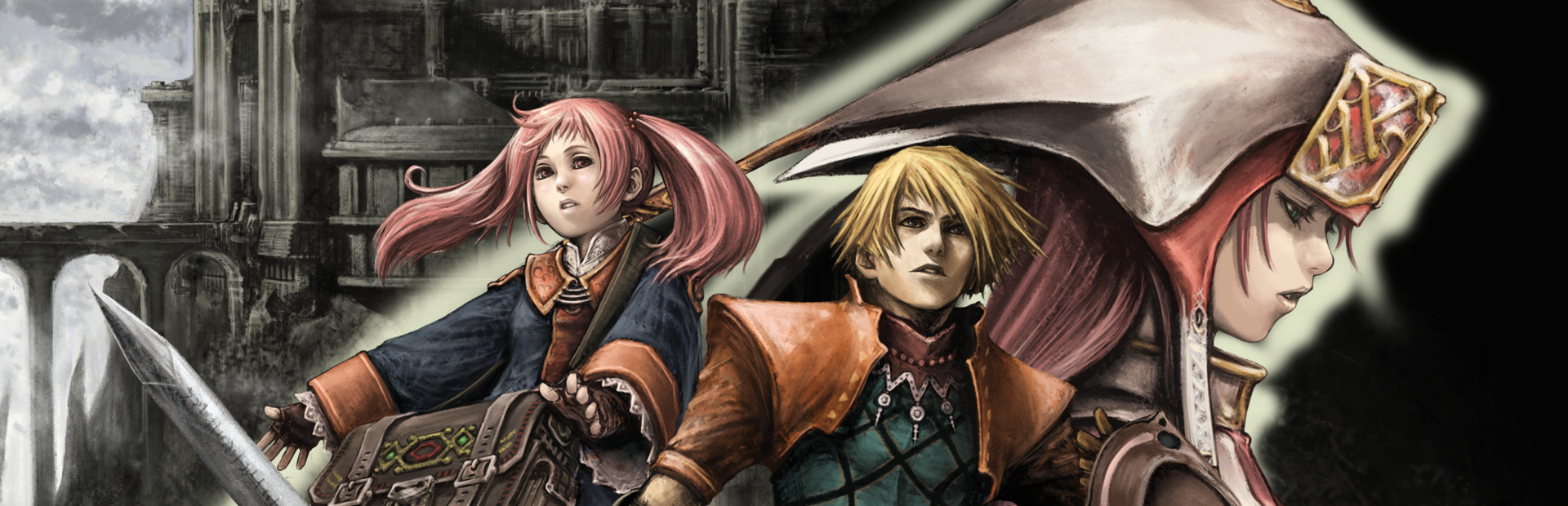
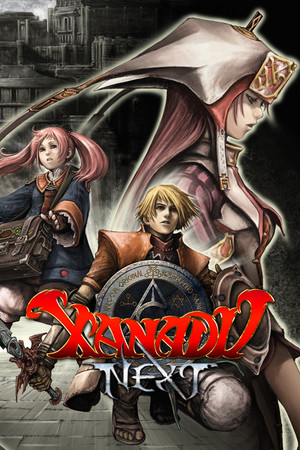
I went in expecting a curiosity, a dusty artifact from 2005 that had somehow washed up on Steam. What I got instead was one of Nihon Falcom's most tightly constructed worlds, dressed in blocky low-poly visuals that stop apologizing for themselves about ten minutes in. Xanadu Next puts you in the boots of a disgraced knight tasked with protecting the scholar Charlotte on an island riddled with ruins, fog, and a castle that refuses to stay visible long enough to be real. The story leans on worn high-fantasy scaffolding, and if you go in expecting Disco Elysium levels of narrative density you will be disappointed. What saves it is delivery: the world-building seeps through Tablets and Memoirs scattered across dungeons rather than cutscene dumps, and Charlotte herself is genuinely endearing in a way that makes the central mystery feel personal rather than mechanical. The gameplay sits at an interesting crossroads. It looks like Diablo from the loading screen, plays closer to Zelda once you are actually inside a dungeon, and handles stat allocation like a stripped-down old-school CRPG. Combat is positional and punishing in the right ways: flanking enemies and attacking from behind deals meaningfully more damage, and regular dungeon mobs will absolutely end you if you stop paying attention. There are no fixed classes, but the system of loose fighter and mage builds shaped by stat investment gives you genuine agency. Weapon proficiency matters here. Use a Battle Axe long enough and you permanently unlock skills like Brutal Transformation, which swaps your defense and attack values entirely. Stack a Guardian card, equip the right passive, and suddenly you are running a build you never planned. Magic is learned from spell books and charges per-spell rather than drawing from a shared mana pool, which forces you to think about when you actually spend a cast. The Guardian card system adds another layer: equippable one at a time, they grant passive bonuses ranging from boosted item drops to raw HP padding. Powering those guardians up while learning weapon skills and hunting new magic creates a progression loop that stays interesting all the way to the credits. The hub design is clever and underappreciated. The village of Harlech sits at the center of every zone, with shortcuts unlocking outward over time in a way that rewards exploration without punishing backtracking. The economy around skeleton keys is one of the game's more divisive quirks: nearly every dungeon door is locked, keys cost gold, and their price inflates with every purchase. Selling monster bones to the shopkeeper brings the price back down. It sounds fiddly, and it is, but it also gives Harlech's economy a lived-in logic that most action RPGs skip entirely. Death costs you half your carried gold and sends you back to town, which sounds steep until you realize you can bank excess gold at the inn before heading out. The punishment is real but never unfair. Where the game stumbles is also where its age shows. Controller support is notoriously patchy, with some menus refusing to respond to gamepad input entirely and forcing an awkward switch back to mouse mid-session. The mouse-and-keyboard scheme works well enough once internalized, but the first hour spent fumbling with it is genuinely rough. Some players have also reported framerate stutter tied to newer DirectX versions, though community-made wrappers posted in the Steam guides section resolve it without much fuss. The main campaign clocks in around 10-15 hours, which is lean for an RPG but exactly right for this kind of tightly scoped dungeon-crawler. There is no padding here, and I mean that as a compliment. The story ends before you get tired of the systems, and the systems stay interesting right up to the end. If you have spent any time with the Ys series and wished it had more weight to its stat building, Xanadu Next is the answer Falcom quietly shipped and then forgot to tell anyone about.

RPGs
Tags
System Requirements
Minimum
- OS
- Windows XP
- Memory
- 1 GB RAM
- DirectX
- Version 9.0c
- Storage
- 2 GB available space
- Graphics
- 32 MB VRAM, 3D accelerator compatible w/ DirectX 9.0c
- Processor
- Pentium III 866 MHz
- Sound Card
- Compatible with DirectX 9.0c
Recommended
- OS
- Windows Vista or later (64-bit supported)
- Memory
- 2 GB RAM
- DirectX
- Version 9.0c
- Storage
- 2 GB available space
- Graphics
- 64 MB VRAM, 3D accelerator compatible w/ DirectX 9.0c
- Processor
- Core 2 Duo 2GHz or higher
- Sound Card
- Compatible with DirectX 9.0c
Keep exploring
Community Discussion
Be the first to comment on Xanadu Next.
Reviews & Ratings
Game Info
- Developer
- Nihon Falcom
- Publisher
- XSEED Games
- Release Date
- Nov 3, 2016