Wulverblade
If couch co-op brawlers with genuine difficulty and a graphic-novel art style are your thing, Wulverblade is one of the better-executed entries the genre has seen in years. Solo players should know what they are walking into.
GamerScout Verdict
Built for genre veterans and local co-op pairs; solo players without patience for arcade-hard design will bounce off fast.
Compare Prices(6 stores)
Every store in this table quotes us in euros, so the EUR figure is the price the seller actually set, not our arithmetic — which is why EUR is also the currency we rank in. We only list an offer here when the store gives us its price in euros, so nothing in this table is a number we invented.
Pick USD, PLN, GBP, CAD or AUD in the header and we convert from EUR at the European Central Bank reference rate — converted amounts are prefixed with ~. Your bank or the store may apply a different rate at checkout. We never hide offers based on where you are: everyone sees this whole table.
We may earn a commission when you buy games through links on this page — at no extra cost to you. It never affects our rankings or verdicts.
Price History
Screenshots & Media
About Wulverblade
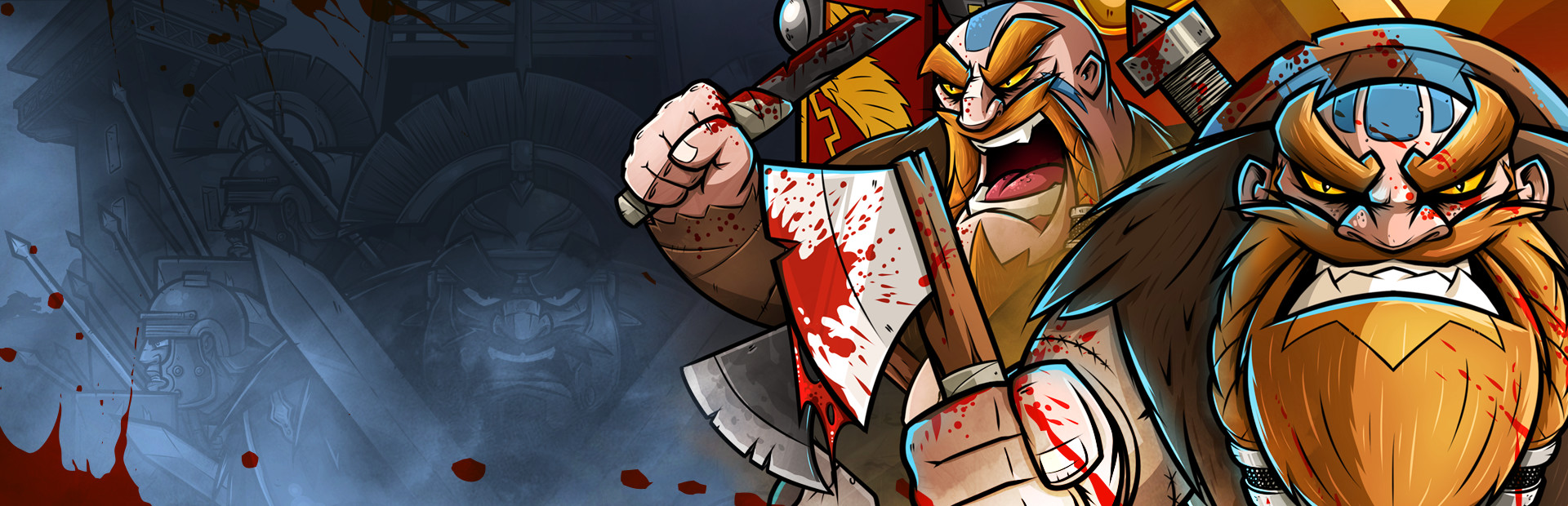
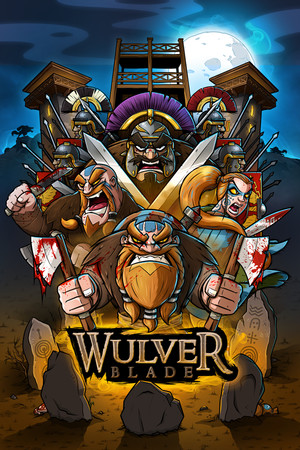
My first thought booting this up was that somebody finally built a beat 'em up that respects the player enough to actually hurt them. Wulverblade is a side-scrolling brawler set in 120 AD Britain, putting you against the Roman Ninth Legion across eight levels of increasingly punishing corridor carnage. You pick from three siblings: Caradoc, the balanced all-rounder, Brennus, the slow heavy-hitter, and Guinevere, the speed-focused option. None of them are palette swaps. The choice actually matters when enemy compositions start mixing shielded legionaries, archers, and swarm melee fighters simultaneously. The combat toolkit is broader than the genre usually bothers with. Normal attacks, heavy attacks, aerial strikes, grapples, ground pounds, dodge-rolls (executed with a direction-double-tap plus block, which will frustrate you at least twice before it clicks), and a per-stage wolf-pack special that clears groups when the screen gets too chaotic. A rage meter builds from taking hits and can be burned for a burst window. None of this is explained in any depth upfront, so early runs involve a lot of accidental discovery. That is either a feature or a bug depending on your patience. Boss fights stack adds on top of three-bar health pools, and ranged enemies have a way of pecking you from off-screen while you are focused on melee. Health drops are stingy. Checkpoints are sparse. Normal mode gives you save states and continues; Arcade mode hands you three lives and three continues and waves goodbye. There is also an Arenas mode for score-chasing without the campaign friction, which is a nice concession to shorter sessions. Where Wulverblade earns genuine attention is its visual identity and the historical layer sitting underneath the action. The art is thick-lined graphic-novel work, dark and ugly in the right way, blood pooling across battlefields that look authentically bleak. The orchestral soundtrack matches the weight of the setting rather than defaulting to upbeat arcade energy. Scattered through levels are unlockable history notes, photos, and documentary-style video clips documenting the real Roman-era locations the stages are built around. It is the kind of thing that adds maybe 20 minutes of optional reading but makes the whole project feel less disposable than a typical nostalgia cash-in. The real criticisms land in two places. First, there is zero character progression. No unlocks, no skill trees, no spend-your-coins-on-something. The money you collect throughout levels goes nowhere. Your toolkit at hour one is identical to your toolkit at the end, meaning repeat runs are purely mechanical mastery plays. Second, the co-op is local only. Online was reportedly considered but deemed too costly to implement properly for an indie budget, which is a completely understandable call but still stings in 2025 when you want to drop in a remote friend. Two-player local does make the difficulty significantly more manageable and is clearly the intended way to experience the game. Solo runs are completable but brutal in a way that will push out anyone not already comfortable with the genre. For a controller-on-couch session with someone who grew up on Golden Axe or Final Fight, Wulverblade lands solidly. It earns its Metacritic 75 without pretending to reinvent anything. If you need progression hooks or online support to stay engaged, this one will run dry on you before the credits.

Shooters
Tags
System Requirements
Minimum
- OS
- Windows 7 SP1, Windows 8, Windows 10
- Memory
- 4 GB RAM
- DirectX
- Version 9.0c
- Storage
- 8 GB available space
- Graphics
- NVIDIA® GeForce® GTX 680 or ATI Radeon™ R9 280 or better
- Processor
- AMD Athlon 64 X2 5600 or Intel Core 2 Duo+
- Sound Card
- 100% DirectX9.0c compatible sound card and drivers
Recommended
- OS
- Windows 7 SP1, Windows 8, Windows 10
- Memory
- 4 GB RAM
- DirectX
- Version 9.0c
- Storage
- 8 GB available space
- Graphics
- NVIDIA® GTX 780 or ATI Radeon™ R9 380 or better
- Processor
- AMD Athlon 64 X2 5600 or Intel Core 2 Duo+
- Sound Card
- 100% DirectX9.0c compatible sound card and drivers
Keep exploring
Community Discussion
Be the first to comment on Wulverblade.
Reviews & Ratings
Game Info
- Developer
- Fully Illustrated
- Publisher
- Darkwind Media
- Release Date
- Jan 30, 2018