
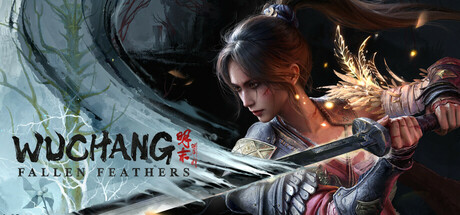
WUCHANG: Fallen Feathers
Gorgeous Ming Dynasty soulslike with some of the genre's most flexible build systems - but PC players should know the optimization is rough and late-game balance spikes hard.
GamerScout Verdict
A mechanically rich soulslike debut worth buying on console now; PC players should wait for further optimization patches.
Compare Prices(10 stores)
Every store in this table quotes us in euros, so the EUR figure is the price the seller actually set, not our arithmetic — which is why EUR is also the currency we rank in. We only list an offer here when the store gives us its price in euros, so nothing in this table is a number we invented.
Pick USD, PLN, GBP, CAD or AUD in the header and we convert from EUR at the European Central Bank reference rate — converted amounts are prefixed with ~. Your bank or the store may apply a different rate at checkout. We never hide offers based on where you are: everyone sees this whole table.
We may earn a commission when you buy games through links on this page — at no extra cost to you. It never affects our rankings or verdicts.
Price History
Screenshots & Media
About WUCHANG: Fallen Feathers
I went into WUCHANG: Fallen Feathers half-expecting another Dark Souls clone dressed in historical cosplay, and what I found instead was a debut title that genuinely earns its place in the soulslike pantheon - even if it can't quite shake the shadow of the games it learned from. Leenzee, a Chengdu-based studio, has built something ambitious for a first release: a third-person action RPG set in the land of Shu during the crumbling late Ming Dynasty, where a plague called the Feathering transforms the infected into monstrous creatures. You play as Bai Wuchang, a pirate warrior afflicted by the disease, and yes, she has amnesia - the genre cliche lands with full force - but the world around that thin hook is rich enough that the story earns momentum anyway. The environmental storytelling does a lot of heavy lifting, and NPC quest lines are tied directly to optional content and different endings, so paying attention actually matters. The combat is where this game makes its real argument. Five weapon classes - Longswords, Spears, One-Handed Swords, Dual Blades, and Axes - each play genuinely differently. Longswords offer a deflect-and-parry rhythm that will feel familiar to anyone who spent time in Sekiro territory. Dual Blades run on the Clash mechanic, turning your attacks into a constant defensive weave. The Axe rewards patience and precise timing on charge inputs, and the One-Handed Sword is built for hybrid magic-caster builds that passively generate the Skyborn Might meter. That meter feeds both heavy attacks and magic abilities, making the interplay between weapon choice and spell investment feel meaningful past the tutorial zone. Critically, the Impetus Repository - the skill tree - lets you fully respec at any time with no Red Mercury penalty, which is a designer decision I wish more games in this genre would steal. Experimenting with builds against difficult bosses is encouraged, not punished. The Madness mechanic deserves a separate warning label. As you die repeatedly, your Madness meter climbs, boosting both damage dealt and taken. Fill it completely and your Inner Demon spawns at your last death location - you have to fight a copy of yourself to recover your lost Red Mercury. Unlike the genre standard of simply running back to a glowing pile of souls, the demon can aggro nearby NPCs, fight them independently, or turn the whole encounter into chaos. It is inventive and genuinely stressful, but reviewers and players alike have flagged it as erratic enough to border on punishing rather than clever. The late-game difficulty spikes in general feel uneven, with enemy aggression ramping in ways that suggest tuning issues rather than intentional design escalation. On PC, optimization is a real concern and should factor into your purchase decision right now. Reports of stuttering, long load times, and blurry textures on mid-to-high-end hardware have been consistent across multiple reviewers since launch. The console experience appears considerably smoother. The world design itself is spectacular - Leenzee pushes Unreal Engine 5 hard to create dense jungles, elaborate temples, and Ming Dynasty architecture that is genuinely worth staring at. The interconnected level design rewards curiosity and rewards the kind of careful spatial memory that soulslike fans have trained for years. That said, the visual density that makes exploration feel rewarding can also make navigation disorienting in ways that frustrate more than they challenge. For RPG players who care about narrative depth: the story is serviceable, not revelatory. Characters cycle through camps in ways that make NPC quest lines easy to miss, and the game delivers its lore in the classic Souls tradition of environmental fragments and optional conversations rather than structured exposition. It is not a writing-forward experience in the way that something like Disco Elysium rewards every re-read - but the multiple endings, tied to NPC relationship choices, give completionists a real reason to replay. The art direction, the combat system flexibility, and the sheer ambition of a studio debut at this scale make WUCHANG worth the attention. Just patch-watch on PC before committing.

RPGs
Tags
System Requirements
Minimum
- OS
- Windows10 64bit
- Memory
- 16 GB RAM
- DirectX
- Version 12
- Storage
- 60 GB available space
- Graphics
- NVIDIA GeForce GTX 1060 6GB/AMD Radeon RX 580 8GB
- Processor
- Intel Core i5-8400/AMD Ryzen 5 1600
Recommended
- OS
- Windows10/11 64bit
- Memory
- 16 GB RAM
- DirectX
- Version 12
- Storage
- 60 GB available space
- Graphics
- NVIDIA GeForce RTX 2070/AMD Radeon RX 5700 XT/INTEL Arc A750
- Processor
- Intel Core i7-9700/AMD Ryzen 5 5500
DLC & Add-ons for WUCHANG: Fallen Feathers3
Expansions, DLC packs and add-on content for this game. Click any item to see store offers.
Keep exploring
Community Discussion
Be the first to comment on WUCHANG: Fallen Feathers.
Reviews & Ratings
Game Info
- Developer
- Leenzee
- Publisher
- 505 Games
- Release Date
- Jul 23, 2025


