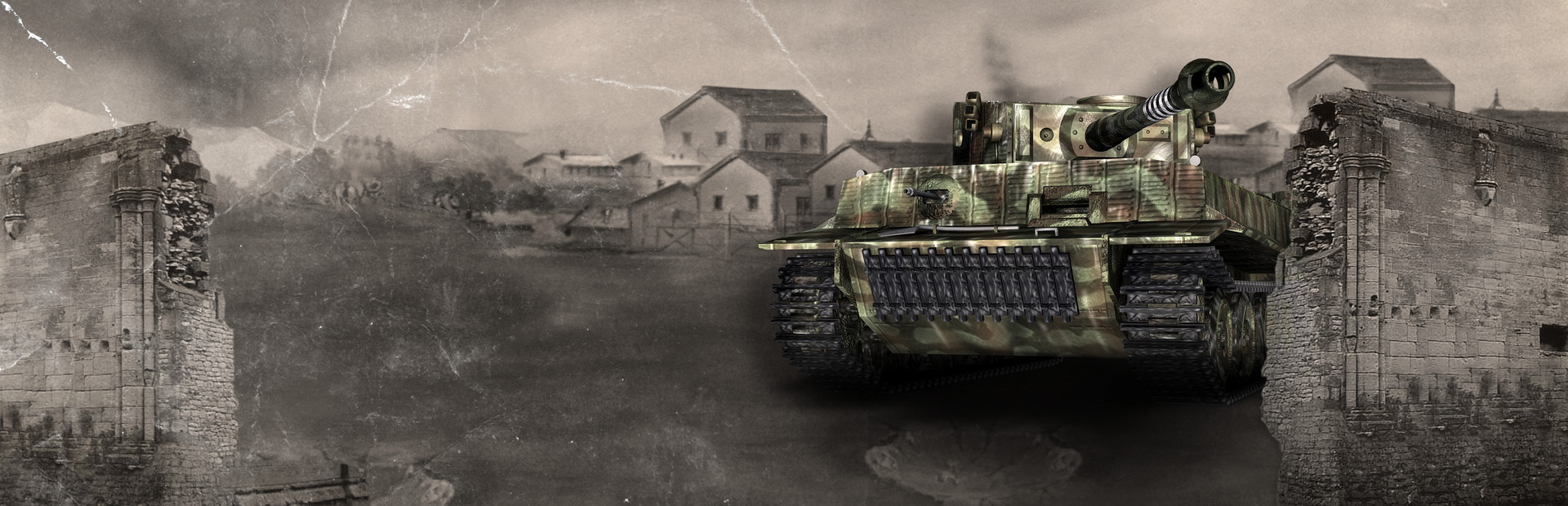
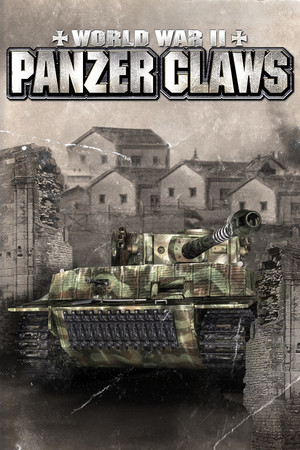
World War II: Panzer Claws
A slow-burn WWII RTS that rewards combined-arms planning over base-spamming, but aged pathfinding and a dead online lobby make it hard to recommend at full price in 2024.
GamerScout Verdict
Worth a look for Earth 2150 fans and WWII RTS die-hards; everyone else will bounce off the pathfinding inside an hour.
Compare Prices(7 stores)
Every store in this table quotes us in euros, so the EUR figure is the price the seller actually set, not our arithmetic — which is why EUR is also the currency we rank in. We only list an offer here when the store gives us its price in euros, so nothing in this table is a number we invented.
Pick USD, PLN, GBP, CAD or AUD in the header and we convert from EUR at the European Central Bank reference rate — converted amounts are prefixed with ~. Your bank or the store may apply a different rate at checkout. We never hide offers based on where you are: everyone sees this whole table.
We may earn a commission when you buy games through links on this page — at no extra cost to you. It never affects our rankings or verdicts.
Price History
Screenshots & Media
About World War II: Panzer Claws
I'll be straight with you: I came to Panzer Claws looking for something to scratch the WWII-tactics itch on a slow week, and what I found was a game that is genuinely interesting in concept and genuinely frustrating in execution. This is a mid-2000s real-time strategy title built on the Earth 3 engine by Reality Pump, the Polish studio behind the Earth 2150 series. The WWII setting was a first for that engine lineage, and you can feel both the ambition and the growing pains in equal measure. The core structure gives you three factions: Wehrmacht, Soviets, and Allies (a fourth, the French Resistance, comes in through the bundled Panzer Claws II). Each side gets two campaigns totalling around 24 missions that span major theatre events, from Operation Barbarossa through to D-Day and the Ardennes. Missions are goal-oriented rather than base-construction slogs. You start with a fixed pool of units, capture mines and factories by simply occupying them with a single soldier, and use the resulting income to call in reinforcements from dedicated appearance points. Lose your appearance point to the enemy and your production pipeline collapses, which creates genuine strategic tension around map control. Infantry squads come in groups of nine and can be split or kept tight. Tanks, half-tracks, and armored cars all have hard counters among enemy units, so throwing a Panzer column at a well-positioned anti-tank line will get you nowhere fast. Air support exists but is indirect, called in rather than piloted. The day-night cycle and dynamic weather, including rain that visually drenches the battlefield and lighting that strobes across the terrain, add some atmosphere that still holds up. The problems are real, though. Pathfinding is genuinely bad. Units argue with themselves about routing, tanks snake across open ground to avoid clipping infantry, and there are moments where a carefully issued flanking order just gets ignored. In a game that puts tactical maneuvering at the center of the experience, broken unit responsiveness is not a cosmetic flaw, it is a structural one. The pacing runs slow because resources accumulate slowly, which the developers clearly intended as a deliberate design choice pushing deliberate play, but the slow pace also gives you plenty of time to notice the clunk in the interface and the forgettable mission objectives. The minimap is nearly useless. The forced tutorial lock-out before campaigns is the kind of 2002-era design decision that feels especially grating now. On multiplayer: the Steam version supports online PvP and LAN with cross-platform compatibility, which is a genuine upside on paper. In practice, the online population is essentially zero. You would need to coordinate a session yourself through the community. Solo skirmish against the AI is a reasonable fallback, but the AI is not especially clever once you understand its patterns. The Metacritic score of 61 and Steam's "Mostly Positive" rating on a thin review base both land about right: this is a niche curiosity, not a forgotten classic. If your benchmark is Sudden Strike or early Close Combat, Panzer Claws comes up short. If you are an Earth 2150 completionist or someone who genuinely wants a slow, counter-focused RTS with a WWII skin and does not mind wrestling with 2002-era unit AI, there is something here. Everyone else should look elsewhere first.

Shooters
Tags
System Requirements
Minimum
- OS
- Windows XP / Vista / 7 / 8 / 10
- Memory
- 512 MB RAM
- DirectX
- Version 9.0c
- Network
- Broadband Internet connection
- Storage
- 1250 MB available space
- Graphics
- with DirectX support and 128 MB RAM
- Processor
- Intel/AMD Single Core CPU with 2.0 GHz
- Sound Card
- DirectX compatible
Recommended
- OS
- Windows XP / Vista / 7 / 8 / 10
- Memory
- 1 GB RAM
- DirectX
- Version 9.0c
- Network
- Broadband Internet connection
- Storage
- 2 GB available space
- Graphics
- Per-Pixel-Shader 1.3 support and 256 MB
- Processor
- Intel/AMD Multi-Core CPU
- Sound Card
- DirectX compatible
Keep exploring
Community Discussion
Be the first to comment on World War II: Panzer Claws.
Reviews & Ratings
Game Info
- Developer
- TopWare Interactive
- Publisher
- Topware Interactive
- Release Date
- Sep 27, 2013