Virgo Versus The Zodiac
A timed-action turn-based JRPG where you play the villain of your own zodiac myth, dethroning rival signs across a handcrafted galaxy. Unforgiving, weird, and surprisingly deep.
GamerScout Verdict
Best for JRPG fans who want real mechanical bite, a villain lead with conviction, and a galaxy worth reading about.
Compare Prices(6 stores)
Every store in this table quotes us in euros, so the EUR figure is the price the seller actually set, not our arithmetic — which is why EUR is also the currency we rank in. We only list an offer here when the store gives us its price in euros, so nothing in this table is a number we invented.
Pick USD, PLN, GBP, CAD or AUD in the header and we convert from EUR at the European Central Bank reference rate — converted amounts are prefixed with ~. Your bank or the store may apply a different rate at checkout. We never hide offers based on where you are: everyone sees this whole table.
We may earn a commission when you buy games through links on this page — at no extra cost to you. It never affects our rankings or verdicts.
Price History
Screenshots & Media
About Virgo Versus The Zodiac
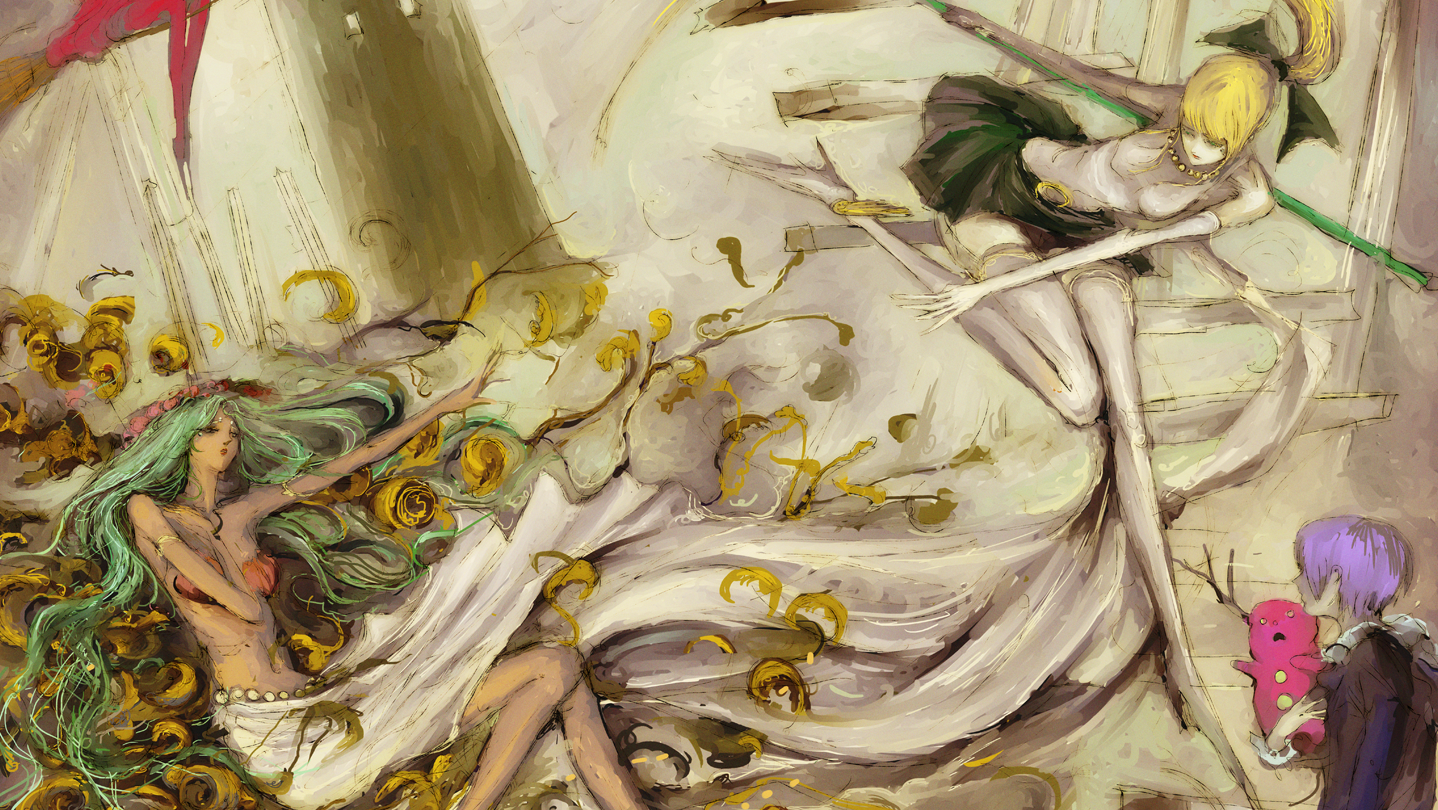
Virgo Versus The Zodiac hands you the reins of Virgo, self-styled queen of Purity, on a crusade to restore the Golden Age by any means necessary. That means dethroning the other eleven Zodiac rulers, each running their own corner of a stylized cosmic setting that Moonana clearly built with obsessive care. The setup sounds gimmicky on paper, but the worldbuilding earns its premise fast. Every Zodiac sign reads as a distinct culture with its own architecture, aesthetics, and political flavor, and the writing leans into the irony that your protagonist is, by most reasonable standards, the antagonist. If you like morally rigid characters whose certainty is both their superpower and their flaw, Virgo herself is one of the more interesting leads in the indie JRPG space. The combat is where the game spends most of its budget of your attention, and it delivers. Fights are turn-based but layer in a timed-input system for both attacks and blocks, so you cannot just queue commands and zone out. Nail the timing window on your strikes and you deal bonus damage; miss the block cue and you eat the full hit. The rhythm becomes second nature within a few hours, but boss encounters are designed to keep you honest well into the late game. There is genuine mechanical variety in how different party configurations handle the same enemy, and the game does not hold your hand when the difficulty spikes. If you have ever complained that modern JRPGs do not punish mistakes enough, this one will satisfy that itch without feeling cheap. The narrative payoff is real but conditional. The writing rewards players who actually talk to NPCs and sit with the lore, and there are multiple endings tied to choices you make throughout the run. Those choices are not always telegraphed clearly, which is either a feature or a flaw depending on your patience for missable content. The game does lean on some fetch-and-travel filler between major story beats, and the pacing dips noticeably in the mid-section when you are grinding through optional Heretic encounters that outstay their welcome. The encounter design is not always as inventive as the premise suggests, and a handful of boss fights recycle the same timing patterns until you have them memorized. Visually the game punches above its solo-developer weight class. The pixel art is expressive and consistent, the zodiac regions feel distinct rather than palette-swapped, and the soundtrack fits the cosmic-mythological tone without becoming wallpaper. The UI is functional rather than elegant, and inventory management across your party could use a pass, but nothing is broken enough to derail the experience. For a small indie production released without major publisher support, the overall production coherence is quietly impressive. Bottom line: this is a game for RPG players who actually want to engage with a combat system and who are willing to read. It is not a breezy 20-hour ride. It asks you to pay attention, punishes passivity, and rewards the kind of player who checks a wiki for endings only after finishing a first blind run. Fans of old-school difficulty curves and morally complex protagonists will find more here than the Steam tag cloud suggests. Casual genre tourists looking for a comfort playthrough should adjust expectations accordingly.

RPGs
Tags
System Requirements
Minimum
- Processor
- 32/64bit compatible Dual Core CPU
- Memory
- 1 GB RAM
- Graphics
- DX11 compliant graphics card
- DirectX
- Version 11
- Storage
- 1450 MB available space
Recommended
- Memory
- 2 GB RAM
- Storage
- 1450 MB available space
Keep exploring
Community Discussion
Be the first to comment on Virgo Versus The Zodiac.
Reviews & Ratings
Game Info
- Developer
- Moonana
- Publisher
- Moonana
- Release Date
- Dec 12, 2019