The Legend of Heroes: Kuro no Kiseki
Falcom's best worldbuilding in years, wrapped in a hybrid combat system that will make Cold Steel purists nervous and then convert them anyway. Entry point for a new Trails arc, but the lore debt is real.
GamerScout Verdict
Best for Trails veterans and lore-hungry JRPG fans who want a fresh arc with real moral texture and a genuinely novel combat system.
Compare Prices(4 stores)
Every store in this table quotes us in euros, so the EUR figure is the price the seller actually set, not our arithmetic — which is why EUR is also the currency we rank in. We only list an offer here when the store gives us its price in euros, so nothing in this table is a number we invented.
Pick USD, PLN, GBP, CAD or AUD in the header and we convert from EUR at the European Central Bank reference rate — converted amounts are prefixed with ~. Your bank or the store may apply a different rate at checkout. We never hide offers based on where you are: everyone sees this whole table.
We may earn a commission when you buy games through links on this page — at no extra cost to you. It never affects our rankings or verdicts.
Price History
Screenshots & Media
About The Legend of Heroes: Kuro no Kiseki
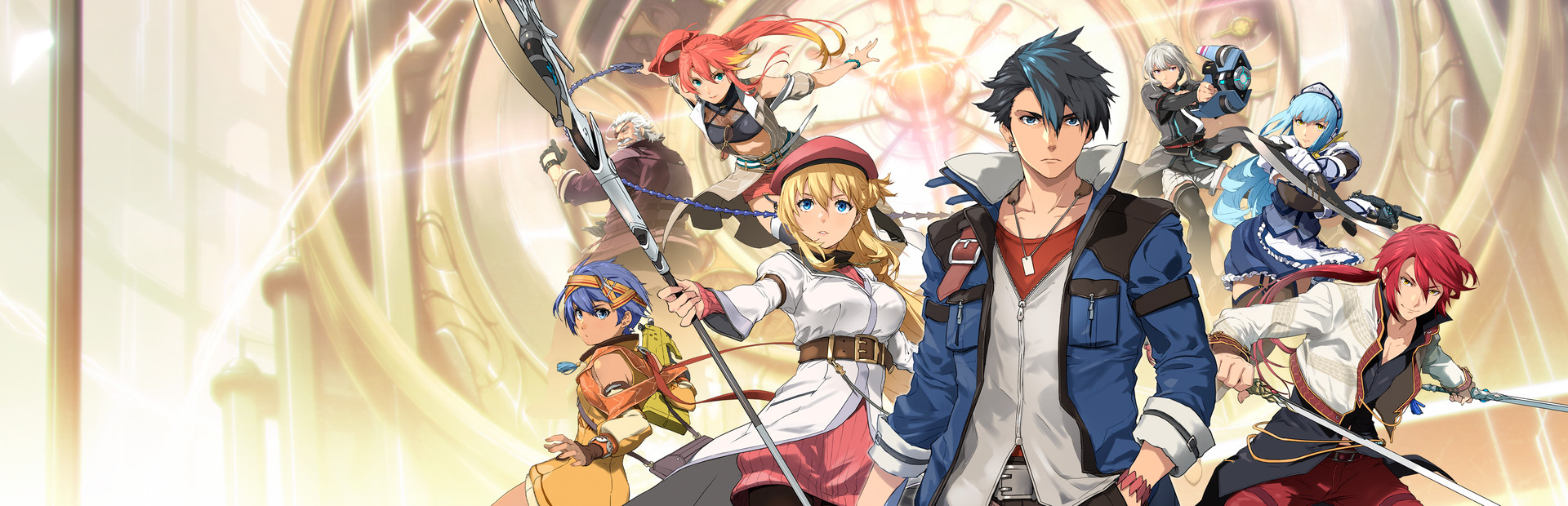
I've followed the Trails series long enough to feel the whiplash every time Falcom resets the protagonist and asks you to care about a new cast from scratch. Kuro no Kiseki earns that ask. Van Arkride is a Spriggan, a fixer who operates in the grey space between the law and the underworld of Calvard's capital Edith, and he is a genuinely more interesting lead than the school-uniform protagonists who preceded him. He's dry, pragmatic, and carries a moral ambiguity the series has been circling for years without fully committing to. Kuro commits. The new Republic of Calvard setting does heavy lifting that surprised me. The writing takes real care with the country's economics and politics: immigration tensions, a post-war GDP boom, a reformist president, and a city whose surface prosperity barely conceals what's running underneath it. That level of texture in the worldbuilding is what separates Trails from the pack, and Kuro delivers it from the first newspaper you can pick up on the street. The main cast is smaller than late Cold Steel's overcrowded roster, which works in the game's favour. Each party member gets room to breathe, and deuteragonist Agnes functions particularly well both as a heroine and as a meaningful second perspective on the story. There is also an Alignment Frame system built around Law, Gray, and Chaos attributes that unlocks different faction associations and unique events depending on your choices, though it does not alter the main ending. It's not a full Disco Elysium morality engine, but the faction choices add genuine texture to repeat play. The combat is the headline structural change. Kuro ditches the pure AT turn-based system for a hybrid that lets you freely toggle between real-time action on the field and full command-based turn battles at the touch of a button, via the tactical orbment called the Xipha. In action mode you're dodging, combo-attacking, and positioning in real time, while the Xipha deploys a tactical zone that flips everything to the familiar turn order, Crafts, Arts, and positional movement. The transition is slick in practice, and the option to whittle down enemy HP in the action phase before entering command mode genuinely speeds up routine encounters. Van's Grendel transformation, his demonic alter ego, provides a brute-force power spike that feels dramatic without being overpowered, even if it lacks the mechanical depth of Cold Steel's Valimar sequences. The Topic System, which has Van learn information he can then spend in NPC conversations to unlock new dialogue branches, is one of the better small ideas in the game and rewards thorough exploration rather than blind quest-following. Where the game stumbles is at launch parity: the original release had documented performance issues and animation stiffness that Falcom patched over time, and the PC version arrived after those patches, so the worst of it is behind you. Story pacing takes a hit in the back half, and the final chapter drew criticism from players who felt it under-delivered on setup. The Orbment customization via Quartz slots is functional but never intuitive, and if you're new to the series the complexity will fog over before it clicks. Speaking of new players: Kuro is framed as a series entry point, and the dual perspective of Van (who knows the wider Zemuria history) and his newer assistants (who don't) does help. But the game still makes constant references to the Crossbell duology and Cold Steel arc, and if you haven't played those, some of the emotional weight simply won't land. Steam players have responded well, and the 91% positive rating reflects what the game does right: a fresh cast in a rich new setting, a combat system with genuine novelty, and enough narrative threads to keep a series veteran hooked. It's a rougher first chapter than Sky SC or Azure, but the bones are strong enough that the arc they're building toward has real potential.

RPGs
Tags
System Requirements
Minimum
- OS
- Windows® 10
- Memory
- 8 GB RAM
- DirectX
- Version 11
- Storage
- 12 GB available space
- Graphics
- GeForce GTX 1050 3 GB or AMD Radeon™ RX 560 4 GB
- Processor
- Intel® Core™ i5-3470 or AMD Ryzen™ 3 1200
- Sound Card
- Onboard
Recommended
- OS
- Windows® 10
- Memory
- 16 GB RAM
- DirectX
- Version 11
- Storage
- 12 GB available space
- Graphics
- GeForce GTX 1060 6 GB or AMD Radeon™ RX 580
- Processor
- Intel™ Core i7-3770 or AMD Ryzen™ 5 1600
- Sound Card
- Onboard
Keep exploring
Community Discussion
Be the first to comment on The Legend of Heroes: Kuro no Kiseki.
Reviews & Ratings
No ratings available
Game Info
- Developer
- Nihon Falcom
- Publisher
- Clouded Leopard Entertainment
- Release Date
- Jul 27, 2022