
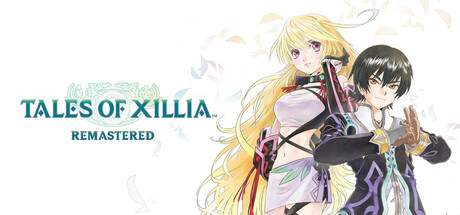
Tales of Xillia Remastered
A PS3-era JRPG cult favourite finally on PC, with a combat system built around partner links and real-time Artes chains that still punches above its weight in 2025.
GamerScout Verdict
Best for JRPG fans who missed Xillia on PS3 and want sharp combat with a likable cast, as long as filler side quests won't break your patience.
Compare Prices(10 stores)
Every store in this table quotes us in euros, so the EUR figure is the price the seller actually set, not our arithmetic — which is why EUR is also the currency we rank in. We only list an offer here when the store gives us its price in euros, so nothing in this table is a number we invented.
Pick USD, PLN, GBP, CAD or AUD in the header and we convert from EUR at the European Central Bank reference rate — converted amounts are prefixed with ~. Your bank or the store may apply a different rate at checkout. We never hide offers based on where you are: everyone sees this whole table.
We may earn a commission when you buy games through links on this page — at no extra cost to you. It never affects our rankings or verdicts.
Price History
Screenshots & Media
About Tales of Xillia Remastered
I went into Tales of Xillia Remastered half-expecting a competent museum piece and came out genuinely surprised at how much the core loop still has to say. The dual-protagonist hook, where you choose to experience Rieze Maxia through either Jude Mathis or Milla Maxwell at the start, is one of those ideas that sounds bigger than it plays. The two routes share the vast majority of their runtime, and the divergences feel more like footnotes than genuine perspective shifts. Pick Jude for your first run; his story is better paced and the party dynamics land cleanest from his point of view. Milla is the more interesting character on paper, but her route has a structural gap near the end that leaves you feeling like you missed a dinner party everyone else attended. The writing earns its keep not through the main plot, which is a fairly standard mana-conservation-versus-military-hubris arc, but through the skit system. These optional character conversations are animated, sharp, and occasionally very funny. If a party member feels benched in battle, they will say so. If you cook something terrible, someone will complain. There are hundreds of these, and the English cast, including Matthew Mercer as the charming mercenary Alvin, delivers them well. Jude and Milla have a good contrasting dynamic too: his human-empathy instincts forever colliding with her detached, almost alien logic. The main cast earns its runtime; the side quests mostly do not. Fetch missions and standard monster hunts pad the mid-game with the kind of filler I hate most, and the pacing sags noticeably in the middle chapters before the story rediscovers its momentum. Combat is where the remaster justifiably earns its existence on modern hardware. The DR-LMBS (Dual Raid Linear Motion Battle System) operates on a 2.5D arena plane, and the Link mechanic is what sets Xillia apart from earlier series entries like Symphonia or Vesperia. Linking to a partner mid-fight grants passive support abilities and charges a gauge for Linked Artes, which are fused special attacks that use both characters' strengths. Each character plays entirely differently: Jude can snap-pivot at the last instant to teleport behind an enemy and extend combos; Milla alternates between elemental spells and altered physical strikes; Elize channels magic through or alongside her puppet Teepo; Alvin charges his sword after Artes and can shatter guarding enemies when you link with him. The Assault Counter limits how many actions you can chain before a brief reset window, which stops the whole thing from collapsing into button-mashing. It is not the deepest combat system in the franchise, but the rhythm it creates, managing AC, TP, and your active link partner simultaneously, holds up well over a 40-hour playthrough. Boss fights in particular reward smart link-swapping and elemental exploitation. Progression runs through the Lilium Orb, a web-shaped node grid where Growth Points unlock stat boosts, Artes, and skills in any order you choose. It is looser than Final Fantasy X's Sphere Grid and lighter on genuine build identity, but it gives you enough agency to shape characters toward offense, defense, or support without forcing a restart. The Grade Shop, unlocked from the very beginning of this remaster, lets you toggle experience multipliers, money bonuses, and other modifiers before you ever touch the actual game. Presenting that menu cold, before you have any context for what you are adjusting, is a strange call that reviewers and players have consistently flagged as disorienting. The QoL additions that do land cleanly are the autosave, encounter toggle, toggle dash for faster traversal, and on-map markers for side quests and chests. The remaster is also the first time this game has ever been available on PC, which alone makes it historically significant for the series on this platform. Visually, PS3 origins are visible. Character models are sharper and the cel-shaded art direction reads well at higher resolutions, but some animations are stiff, and the stretches of world between towns feel sparse compared to modern RPGs. The 60fps frame rate does more good than any texture upgrade could, particularly in combat. The soundtrack is excellent throughout, and the remaster bundles in classic series tracks as an optional mix. Audio mixing has been flagged as occasionally unbalanced, with some voices dropping under effect layers, but it is not a persistent problem. This is a faithful remaster, not an ambitious one. If you have been locked out of Xillia because you no longer own a PS3, this is the cleanest version that exists. If you want a ground-up remake with modern production values, look elsewhere.

RPGs
Tags
System Requirements
Minimum
- OS
- Windows 11
- Processor
- Intel Core i3-8100 / AMD Ryzen 3 3100
- Memory
- 8 GB RAM
- Graphics
- Nvidia GeForce GTX 550 Ti [1 GB] / AMD Radeon HD 5770 [1 GB] / Intel Arc A310 […
Recommended
- OS
- Windows 11
- Processor
- Intel Core i3-8100 / AMD Ryzen 3 3100
- Memory
- 8 GB RAM
- Graphics
- Nvidia GeForce GTX 650 [1 GB] / AMD Radeon HD 7770 [2 GB] / In…
Keep exploring
Community Discussion
Be the first to comment on Tales of Xillia Remastered.
Reviews & Ratings
No ratings available
Game Info
- Developer
- DOKIDOKI GROOVEWORKS, Inc.
- Publisher
- Bandai Namco Entertainment
- Release Date
- Oct 30, 2025