Super Street: The Game
A junkyard-to-supercar arcade racer with genuine tuning depth, sabotaged by wobbly physics and an online lobby that went dark before launch week was even over.
GamerScout Verdict
Deep enough tuning loop to interest car-culture fans at a steep discount, but the erratic physics and dead online make it a hard sell at any serious price.
Compare Prices(7 stores)
Every store in this table quotes us in euros, so the EUR figure is the price the seller actually set, not our arithmetic — which is why EUR is also the currency we rank in. We only list an offer here when the store gives us its price in euros, so nothing in this table is a number we invented.
Pick USD, PLN, GBP, CAD or AUD in the header and we convert from EUR at the European Central Bank reference rate — converted amounts are prefixed with ~. Your bank or the store may apply a different rate at checkout. We never hide offers based on where you are: everyone sees this whole table.
We may earn a commission when you buy games through links on this page — at no extra cost to you. It never affects our rankings or verdicts.
Price History
Screenshots & Media
About Super Street: The Game
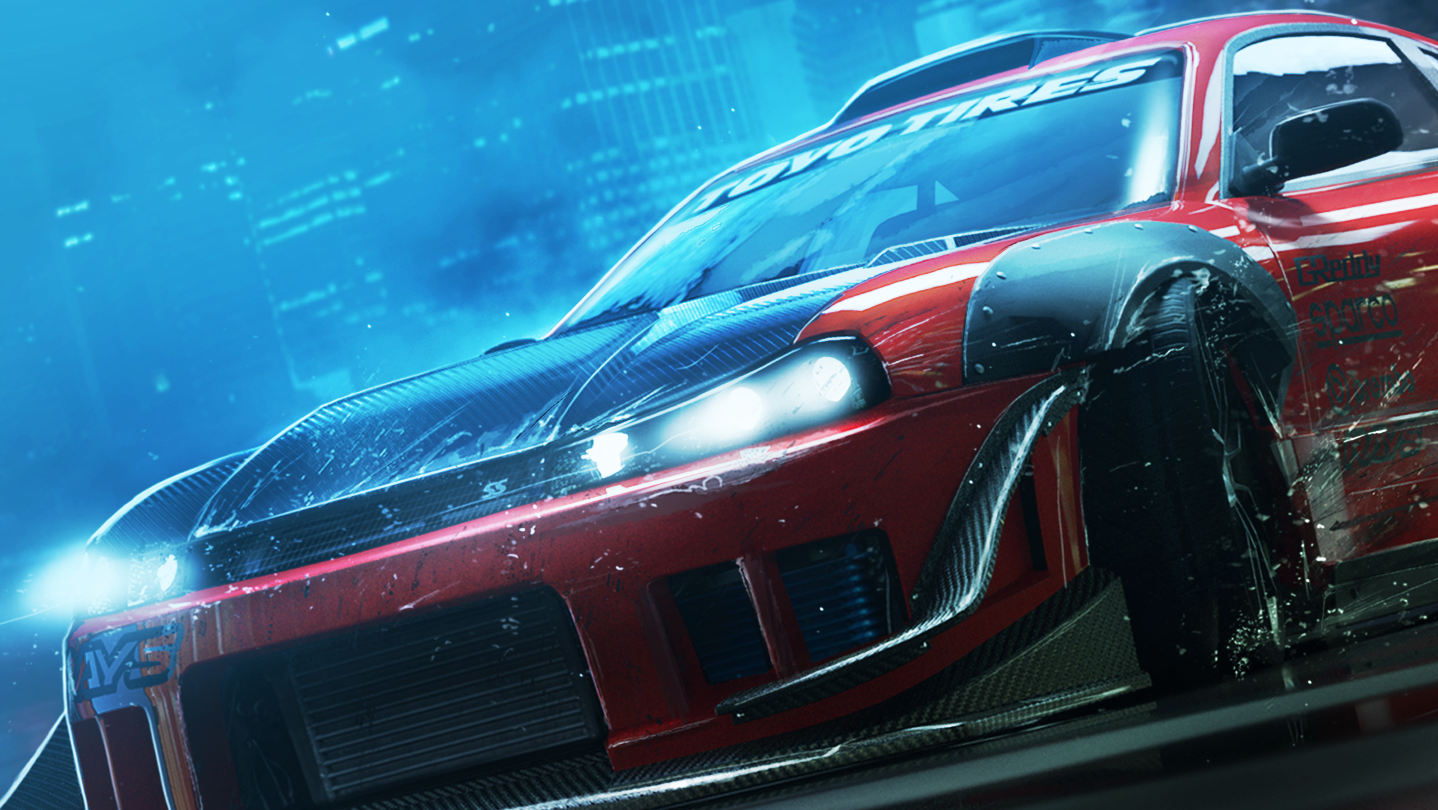
My honest take after sitting with this one: the garage is the best room in the house, and the track out back is a bit of a disaster. Super Street: The Game pitches itself as the spiritual successor to the tuner-culture racers of the early 2000s, the kind of game that made teenagers stick car-magazine centrefolds to their bedroom walls. The premise genuinely earns respect. You pick up a derelict banger, then slowly bolt it into something worth showing off, choosing from over 700 licensed aftermarket components spanning brands like HKS, Eibach, BBS, Falken, and Toyo. Engine internals, suspension, bumpers, side skirts, hoods, interior seats, even the subwoofer. The customisation menus are clearly laid out and accessible enough that someone who has never touched a torque wrench can navigate them without a walkthrough. The trouble starts the moment you drive off the forecourt. The handling is inconsistent in ways that go beyond "arcade looseness". Corners that you take cleanly one lap will randomly spin you out the next, and the handbrake, which the game leans on heavily given that many circuits are packed with tight turns, basically does not function as advertised for drifting. The AI is overly aggressive and feels psychic in a bad way, swerving into your line mid-corner with little the player can do about it. The eight unlicensed car models on offer are thin for a campaign that runs over 60 missions across five environments, and the damage model, while visually impressive, is mostly cosmetic since a car that looks like a pancake handles identically to one fresh off the showroom floor. The graphics sit somewhere between a late PS2 and an early Xbox 360 title, which sits poorly for a 2018 release. For the "four friends on a couch" test that I always run: two-player split-screen exists, which is a point in the game's favour, and the online mode supports up to four players. However, the online population essentially evaporated at launch and has never recovered, so do not buy this expecting a live multiplayer scene. Split-screen couch sessions on a deep discount might generate some chaotic fun, particularly because the physics bugs produce genuinely absurd moments, cars pinballing off each other into the stratosphere, vehicles clipping through the map entirely. Whether that counts as fun or frustration depends entirely on your crowd and how seriously you are taking the race. Post-launch patches, particularly one released in late 2018, did improve the handling and physics meaningfully, so the version available today is noticeably more playable than it was at release, but the structural problems were never fully resolved. Wheel and pedal support is listed, which I always check. The Steam page confirms wide-ranging wheel support, which is a small comfort, though with physics this inconsistent even a quality wheel setup is unlikely to transform the experience. Gamepad play is accessible and automatic transmission is the default, which lowers the barrier for casual players but removes the option for manual gear changes entirely. That cuts out one of the things a wheel setup would normally add. If your nostalgia runs deep for the NFS Underground era and you spot this at a steep discount, the customisation loop alone can hold attention for a few hours. Going in expecting a tight, polished arcade racer will leave you cold. This is a game best treated as a cheap garage sim with some chaotic race modes bolted on.

Sports & racing
Tags
System Requirements
Minimum
- Processor
- Intel Core i3-4340 / AMD FX-6300
- Memory
- 6 GB RAM
- Graphics
- nVidia GeForce GTX 660 2GB / AMD Radeon HD 7850 2 GB
- DirectX
- Version 11
- Storage
- 9 G…
Recommended
Requires a 64-bit processor and operating system
Keep exploring
Community Discussion
Be the first to comment on Super Street: The Game.
Reviews & Ratings
Game Info
- Developer
- Rebel Games
- Publisher
- Lion Castle
- Release Date
- Sep 11, 2018