Street Fighter X Tekken
Ryu vs. Kazuya sounds incredible on paper, but this 2012 tag-team crossover comes loaded with combo-loop problems, a controversial gem system, and PC-specific headaches that still bite in 2024.
GamerScout Verdict
Strong local co-op fighter with a great crossover roster, but its online is dead and PC setup requires community patches to even launch.
Compare Prices(4 stores)
Every store in this table quotes us in euros, so the EUR figure is the price the seller actually set, not our arithmetic — which is why EUR is also the currency we rank in. We only list an offer here when the store gives us its price in euros, so nothing in this table is a number we invented.
Pick USD, PLN, GBP, CAD or AUD in the header and we convert from EUR at the European Central Bank reference rate — converted amounts are prefixed with ~. Your bank or the store may apply a different rate at checkout. We never hide offers based on where you are: everyone sees this whole table.
We may earn a commission when you buy games through links on this page — at no extra cost to you. It never affects our rankings or verdicts.
Price History
Screenshots & Media
About Street Fighter X Tekken
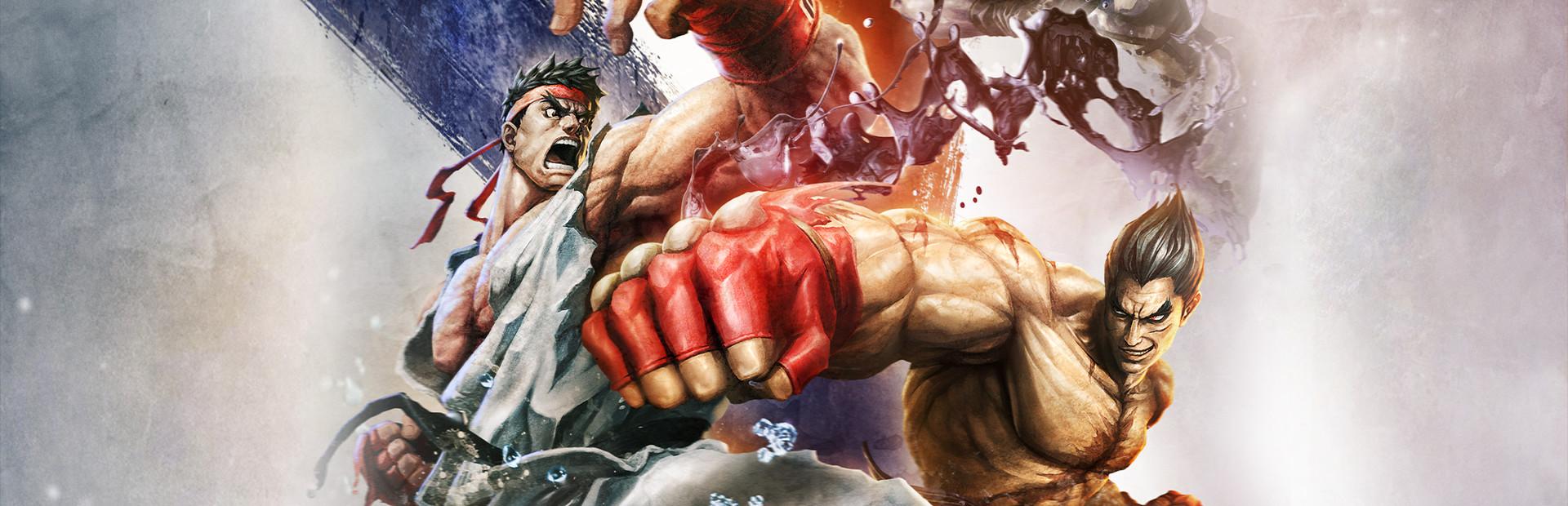
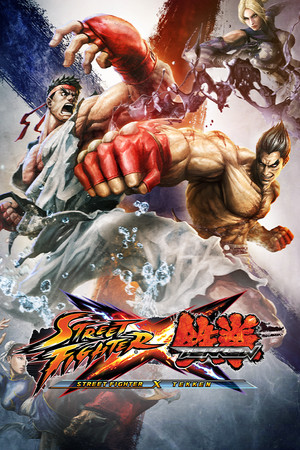
I came into this one wanting it to work, because tag-team crossover fighters occupy a rare niche and the roster alone reads like a wishlist. Ryu, Guile, Cammy, Sagat, and Chun-Li sharing a game with Kazuya, Heihachi, Hwoarang, Yoshimitsu, and King is a legitimate draw, and Capcom did a creditable job translating Tekken's cast into the Street Fighter IV engine without just turning them into clone characters. Steve's jukes are there, Jin gets his parry deflect, King keeps his grapple identity. On that narrow question of "did the characters survive the crossover," the answer is mostly yes. The core fighting structure is a 2-on-2 tag format where both fighters carry their own health bar, and the round ends the moment either one gets knocked out. That rule changes everything about how you play. Straight-switch tagging leaves your incoming fighter exposed for a split second, so the real game is learning to chain a light-medium-heavy sequence until the last hit launches, at which point your partner swaps in and continues the juggle. In clean play it produces some of the most fluid combo expression you will find in a 2D fighter of this era. The problem is that the same chain system has almost no ceiling on how long it runs before a reset, and characters like Rolento can convert a single landed jab into a corner sequence that deletes most of your health bar without being especially hard to execute. Watching that happen online is not fun. Speaking of online: the PC version was built around Games for Windows Live, which is effectively defunct. Getting the game to actually launch requires a community-made patch to strip out the GFWL dependency, and even then you are looking at a fragmented player pool. The original netcode was rollback-based, which was forward-thinking for 2012, but the implementation drew mixed reactions even at launch, with sound desync complaints widespread. The live competitive scene is essentially a memory at this point. If you want to play with people, local co-op is where this game has always been at its best, and the 4-player simultaneous mode (two players per team) is genuinely chaotic and worth experiencing with friends on a couch. The gem system is the other point of contention. Each character can equip up to three gems that activate under specific conditions and buff attack, speed, or defense. The concept is interesting, and slow characters benefiting from a speed gem or aggressive players doubling down on a power gem has some logic to it. In practice the system was never balanced cleanly, it added menus between you and actually playing the game, and the DLC gem packs became a flashpoint for a community that already felt nickel-and-dimed. Post-launch patches improved things, but the damage to the playerbase was done early. Steam user reviews sit at a mixed 56 percent, and that number tells the whole story: the game has real quality in its moment-to-moment combat but never shook the baggage from its launch window. For a shooter specialist like me who cares about the quality of online competition above all else, SFxT in its current state on PC is basically a local-only game. If you have people to sit next to, the tag mechanics are worth experiencing and the roster is legitimately exciting. If you are hunting for a ranked ladder to grind, look at Street Fighter 6 or Tekken 8. SFxT is a time capsule with good bones and a complicated history.

Shooters
Tags
System Requirements
Minimum
- OS
- Windows XP
- Sound
- DirectSound compatible, DirectX 9.0c (or higher) compatible
- Memory
- 1GB (or higher)
- DirectX®
- 9.0c
- Processor
- Intel Dual Core 1.8GHz (or higher) or AMD Athlon II X2 (or higher)
- Video Card
- nVidia GF6600 (or higher) or ATi X1600 (or higher) with 256MB of RAM
- Hard Disk Space
- 10GB of free space
- Other Requirements
- Online play requires software installation of and log-in to Games For Windows - LIVE
Recommended
- OS
- Windows Vista, 7
- Sound
- DirectSound compatible, DirectX 9.0c (or higher) compatible
- Memory
- 2GB
- DirectX®
- 9.0c
- Processor
- Intel Core2 Duo 2.60GHz (or higher) or AMD Phenom II X2 (or higher)
- Video Card
- nVidia GF8800 (or higher) or ATi X1950 (or higher) with 512MB of RAM
- Hard Disk Space
- 10GB of free space
Keep exploring
Community Discussion
Be the first to comment on Street Fighter X Tekken.
Reviews & Ratings
Game Info
- Developer
- Capcom U.S.A., Inc.
- Publisher
- Capcom U.S.A., Inc.
- Release Date
- May 11, 2012