Stargazer
Over 200 quests, a meteor-powered magic system, and three possible party weddings - Stargazer is the kind of cozy JRPG that rewards slow players and punishes anyone allergic to fetch loops.
GamerScout Verdict
Best for SNES-era JRPG fans who can tolerate slow pacing in exchange for a charming world and a genuinely replayable magic build system.
Compare Prices(6 stores)
Every store in this table quotes us in euros, so the EUR figure is the price the seller actually set, not our arithmetic — which is why EUR is also the currency we rank in. We only list an offer here when the store gives us its price in euros, so nothing in this table is a number we invented.
Pick USD, PLN, GBP, CAD or AUD in the header and we convert from EUR at the European Central Bank reference rate — converted amounts are prefixed with ~. Your bank or the store may apply a different rate at checkout. We never hide offers based on where you are: everyone sees this whole table.
We may earn a commission when you buy games through links on this page — at no extra cost to you. It never affects our rankings or verdicts.
Price History
Screenshots & Media
About Stargazer
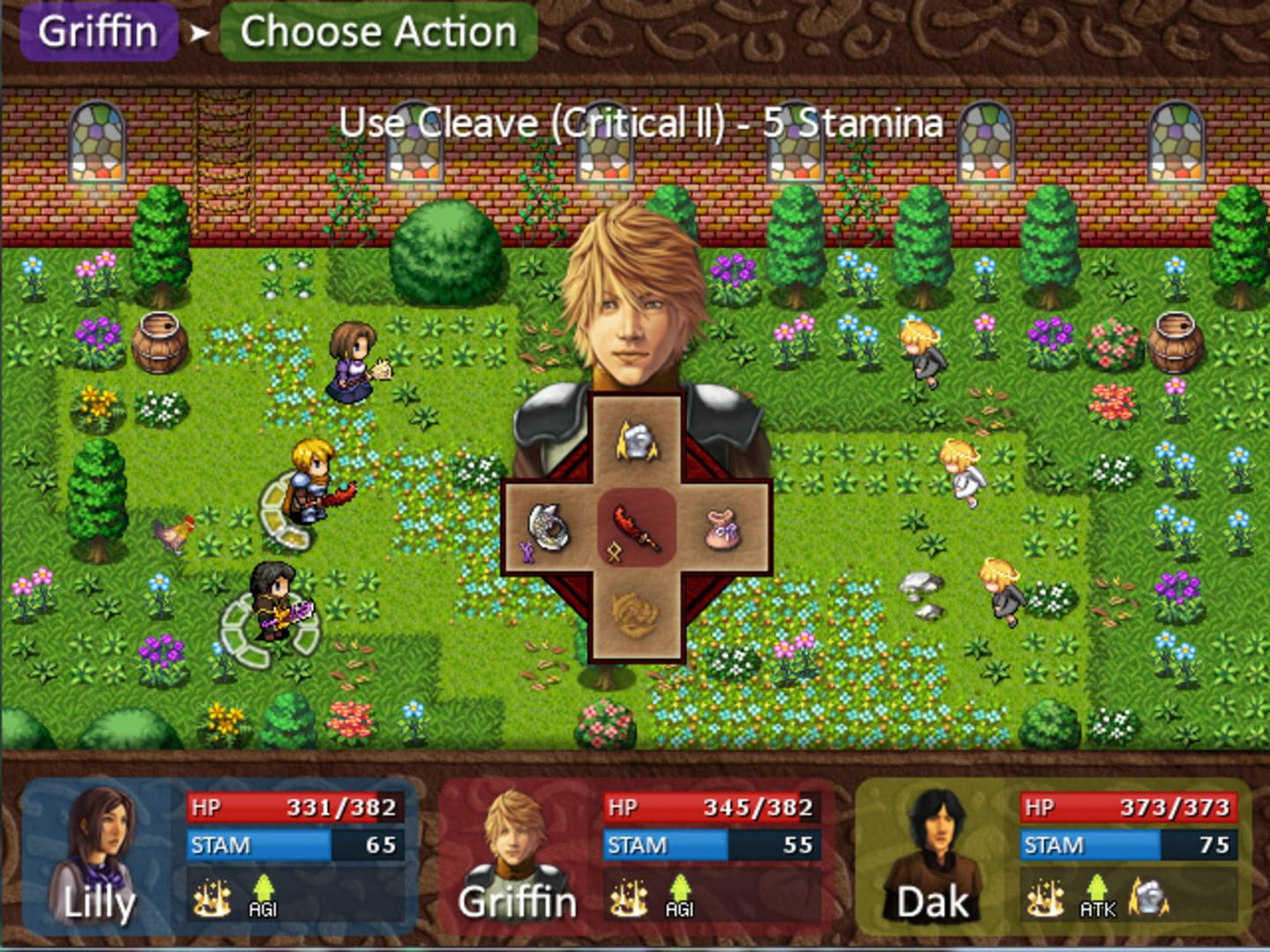
My tolerance for RPG Maker games is genuinely high - I have sat through worse pixel corridors than most - but Stargazer still managed to test it in ways I did not expect. This is a turn-based JRPG built in RPG Maker, styled squarely after the 16-bit SNES era, and it commits to that aesthetic with real conviction. The world has been stripped of magic for generations, and when protagonist Zach - a beetroot farmer who spends his nights watching the sky - follows a fallen star into the woods, he finds Aura, an amnesiac girl who has literally brought magic back with her crash landing. It is an earnest, unpretentious premise, and the game wears it without irony. The party grows into a reasonably distinct cast: Scarbeck the detective, Thyme the healer, Grayson the intimidating knight, Kala who rides a firewing bird, and teenage genius Amelia Mae. Character interactions are genuinely charming in stretches, and the dialogue has a lightness to it that keeps the tone from becoming oppressive. There are even three optional romance arcs that can end in weddings between party members, which is exactly the kind of soft JRPG flourish I appreciate. The writing is not going to rattle anyone who has spent time with Disco Elysium, but it earns its warmth. The mechanical hook that actually has replay value is Aura's magic system. You find scattered meteors across the world and use them to unlock and shape her abilities, which means each run through the game can produce a noticeably different spellcaster. Players who have reported four or five playthroughs almost always cite this as the reason. Combat itself is standard turn-based fare with visible encounters and three difficulty settings, so the barrier to entry is low. Puzzle caves offer optional rewards for players who want a bit more than flat corridors, and travel opens up via boat, underground train, and firewing - the world does expand. Here is where I have to be honest about the friction. The quest design is the game's most divisive element. There are over 200 quests and, unusually, almost none of them are optional filler - they are all threaded into the critical path, meaning you cannot beeline to the final boss without completing the bulk of them. Some players find this creates a satisfying, non-linear sense of exploration. Others - and this is a legitimate criticism - find it buries the story under a mountain of fetch loops with thin gold rewards and slow combat economy. The pacing in the early hours has driven people away before the narrative finds its footing, and that is a real design problem, not just a matter of taste. Character art is also noticeably homogeneous, with named female characters sharing identical facial designs. Stargazer sits in a specific lane: it is for players who fondly remember early Final Fantasy and Chrono Trigger, who do not mind a slow burn, and who will happily spend 20 to 40 hours collecting quests in a small fantasy world with a kind heart. If you want branching narrative choices that actually reshape the world, or combat that evolves meaningfully past hour ten, this will not satisfy. But if you want a competent, affectionate JRPG with a magic-customisation system worth revisiting and the occasional wedding, it delivers exactly what it promises at a modest price point.

RPGs
Tags
System Requirements
Minimum
130 MB available space
Keep exploring
Community Discussion
Be the first to comment on Stargazer.
Reviews & Ratings
No ratings available
Game Info
- Developer
- John Wizard
- Publisher
- Amaranth Games
- Release Date
- May 28, 2015