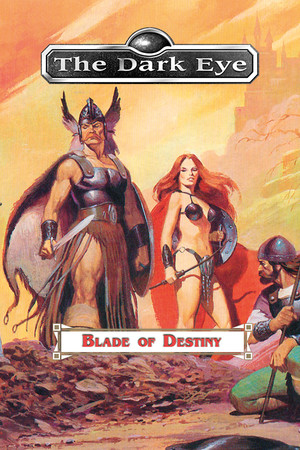
Realms of Arkania 1 - Blade of Destiny Classic
If you ever wondered what it felt like to manage a six-person party through a brutally unforgiving 1992 German pen-and-paper RPG with no hand-holding whatsoever, this Classic edition hands you the answer unfiltered.
GamerScout Verdict
Worth it strictly for old-school CRPG fans willing to read the manual, manage camp supplies, and accept that the game will not explain itself.
Compare Prices(3 stores)
Every store in this table quotes us in euros, so the EUR figure is the price the seller actually set, not our arithmetic — which is why EUR is also the currency we rank in. We only list an offer here when the store gives us its price in euros, so nothing in this table is a number we invented.
Pick USD, PLN, GBP, CAD or AUD in the header and we convert from EUR at the European Central Bank reference rate — converted amounts are prefixed with ~. Your bank or the store may apply a different rate at checkout. We never hide offers based on where you are: everyone sees this whole table.
We may earn a commission when you buy games through links on this page — at no extra cost to you. It never affects our rankings or verdicts.
Price History
Screenshots & Media

About Realms of Arkania 1 - Blade of Destiny Classic
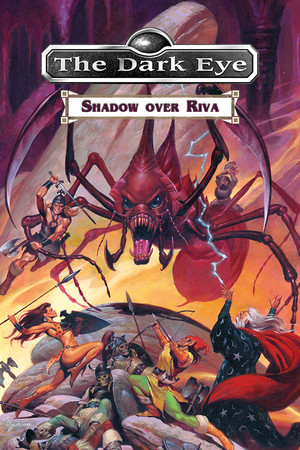
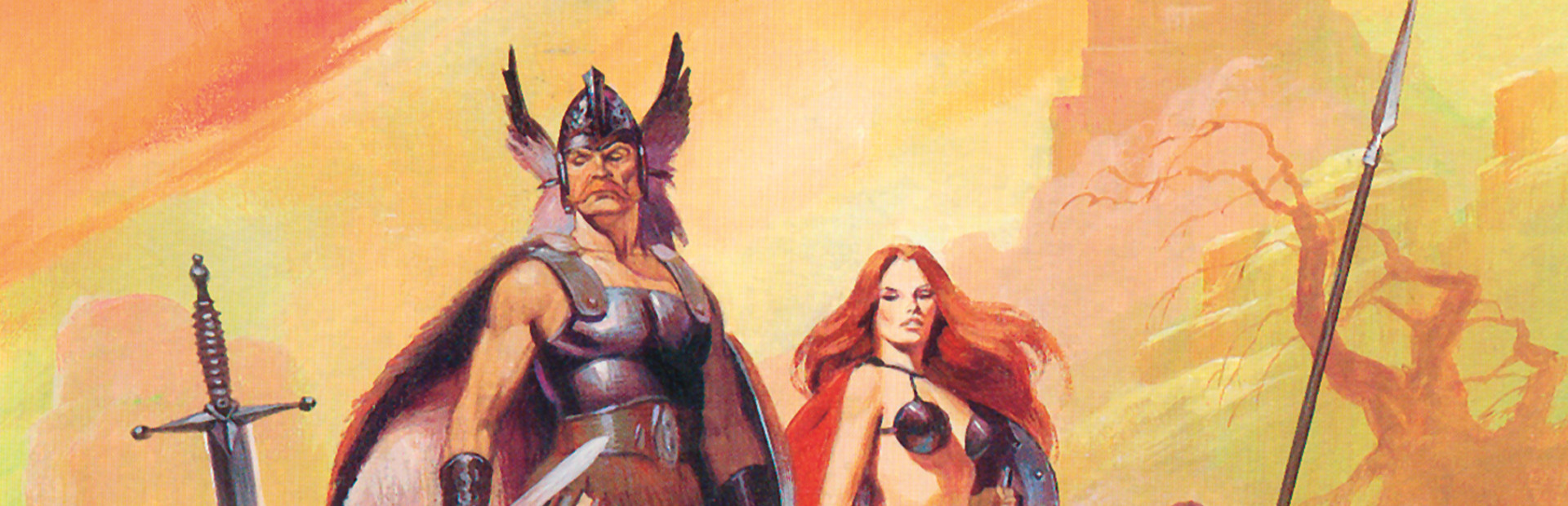
I have a soft spot for games that treat you like an adult, but Blade of Destiny Classic tests that affection hard. This is the original 1992 DOS-era game preserved and shipped on Steam, not the later 3D remake that earned a famously dismal critical reception. That distinction matters enormously: where the remake was plagued at launch by severe bugs and a rocky post-release patch history, the Classic edition delivers the source material as attic Entertainment Software originally designed it, warts and all, sitting at a noticeably healthier community approval rating than its modernised sibling. The game is built on Das Schwarze Auge, Germany's most popular pen-and-paper ruleset, also known internationally as The Dark Eye. You build a party of up to six characters drawn from a range of archetypes that blend race and class into a single selection, then navigate a sprawling northern region of Aventuria through a mix of first-person 3D towns and dungeons, connected by a top-down regional map. The quest is classically lean: the orc tribes of the north have unified under a single warlord, a legendary sword called Grimring is the only weapon capable of stopping them, and the map to find it has been torn into pieces scattered across over seventy towns, villages, dungeons, and ruins. That scope is genuinely impressive for a 1992 release, and the world has a texture to it that many bigger-budget contemporaries lacked. What makes the system interesting, and what makes it punishing, is how faithfully it ports the tabletop logic. Skill checks surface constantly during travel and exploration: a charismatic party member might automatically step forward to defuse a confrontation, or your herbologist will warn everyone away from a dangerous plant. Camp events produce small flavour vignettes of your characters interacting. Random encounters with orcs, wolves, bandits, and stranger things can ambush you between locations. Combat is turn-based and tactical, but it can also be repetitive in longer stretches, and the auto-combat option is genuinely useful for routine fights. The save system in the original German version penalised saves made outside of temples with a small XP cost, a deliberate design choice to discourage save-scumming, though this may vary depending on version and settings. If you approach this like a modern RPG with a safety net, you will suffer. If you approach it like a tabletop session where party death is a real consequence, the tension lands properly. The experience is not for everyone in 2025. The interface is archaic by any modern measure, the visuals are obviously of their era, and there is no quest compass, no objective tracker, and no forgiveness for players who skip the manual. Character creation alone requires genuine engagement with the stat system. Filler this is not, but the friction is structural rather than padded: the game is not making you grind XP pointlessly, it is making you think about resource management, camp supplies, disease management, and route planning in a way that feels closer to a long tabletop campaign than a modern action RPG. The party carries forward into the sequels, Star Trail and Shadows over Riva, which adds long-term investment to every character decision you make in this first entry. For players who want Baldur's Gate to go even harder on the pen-and-paper fidelity and strip away the production polish entirely, this scratches a very specific itch. For anyone who prefers their RPGs to offer readable UI and accessible onboarding, this is going to feel hostile fast. Treat it as a historical artefact with genuine mechanical depth rather than a competitor to modern CRPGs, and the respect is well earned.

RPGs
Tags
System Requirements
Minimum
- OS
- Windows XP / Vista / 7 / 8 / 10 / 11
- Memory
- 256 MB RAM
- DirectX
- Version 7.0
- Storage
- 30 MB available space
- Graphics
- 3D graphics card
- Processor
- 1 GHz Processor
Keep exploring
Community Discussion
Be the first to comment on Realms of Arkania 1 - Blade of Destiny Classic.
Reviews & Ratings
No ratings available
Game Info
- Developer
- attic Entertainment Software GmbH
- Publisher
- United Independent Entertainment
- Release Date
- Jan 10, 2014