Okinawa Rush
If your couch co-op nights have been running dry, this brutally difficult 16-bit brawler with a surprisingly deep combo system might be exactly the kick you need - just be ready to lose lives to hidden spike traps.
GamerScout Verdict
Worth it for players who respect a hard skill curve and want a proper local co-op brawler with combo depth - too short and too menu-hostile for casual buyers.
Compare Prices(3 stores)
Every store in this table quotes us in euros, so the EUR figure is the price the seller actually set, not our arithmetic — which is why EUR is also the currency we rank in. We only list an offer here when the store gives us its price in euros, so nothing in this table is a number we invented.
Pick USD, PLN, GBP, CAD or AUD in the header and we convert from EUR at the European Central Bank reference rate — converted amounts are prefixed with ~. Your bank or the store may apply a different rate at checkout. We never hide offers based on where you are: everyone sees this whole table.
We may earn a commission when you buy games through links on this page — at no extra cost to you. It never affects our rankings or verdicts.
Price History
Screenshots & Media
About Okinawa Rush
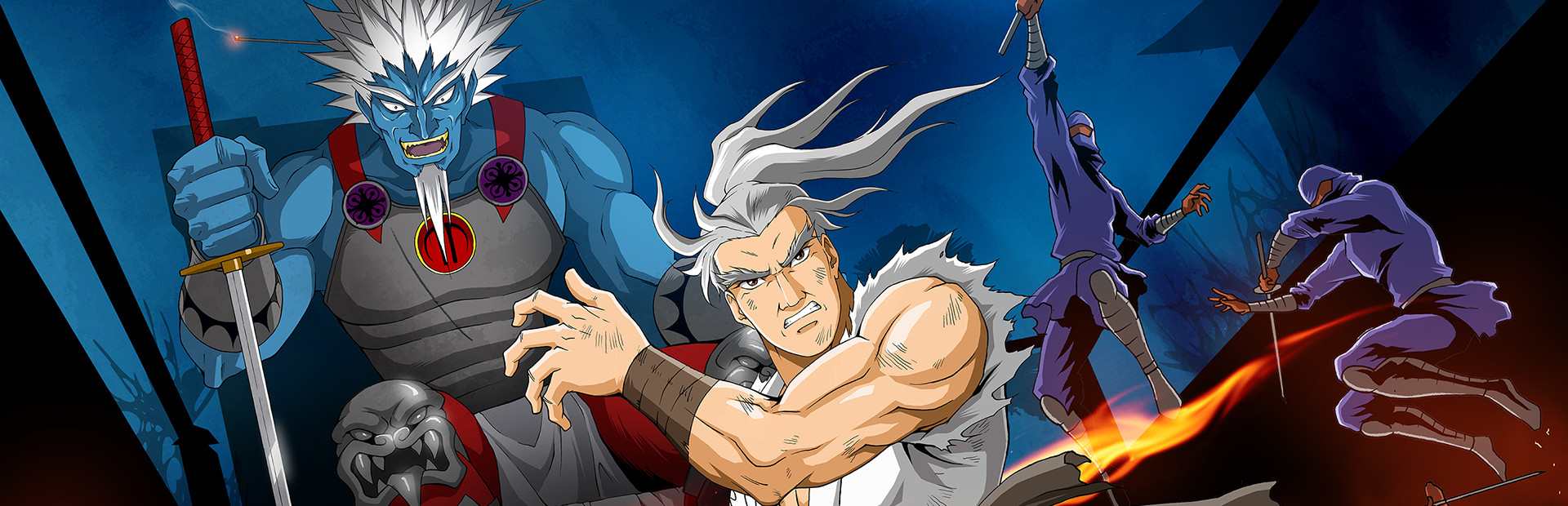
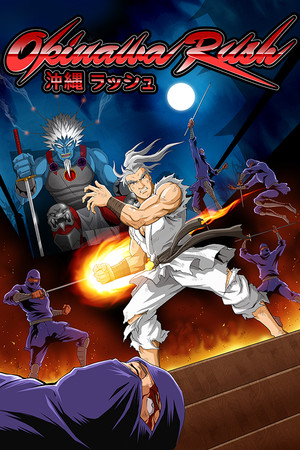
I mostly cover shooters, so when a side-scrolling brawler lands on my desk I approach it the same way I approach a new FPS: how does it feel at the input level, and does the skill ceiling justify the grind? Okinawa Rush answered both questions faster than I expected. The custom-built fighting engine gives each of the three playable characters - Hiro, Meilin, and Shin - their own move sets, and once you stop mashing and start actually reading the combat, the gap between white-belt fumbling and black-belt efficiency is genuinely satisfying to close. Combos, juggles, a parry system, pickupable weapons like swords, nunchakus, and bo staffs, plus "just frame" inputs for the technically ambitious: this is not the shallow pixel-art nostalgia bait it could have been. The two main modes give the game real replay legs. Story mode layers in a lives-and-checkpoints structure with multiple difficulty settings ranked by karate belt color, and the three characters produce meaningfully different routes to multiple endings. Arcade mode strips out the safety net and adds a level timer you feed by killing enemies - closer to a survival test than a casual playthrough. Both modes track your performance with end-of-stage rankings, and an online scoreboard keeps the competitive itch alive after the credits roll. For a couch session, the 2-player local co-op is a genuine selling point; two controllers in, enemies scale up, and the chaos of juggling a tengu while your friend parries a ninja barrage is the kind of moment you clip and send to people. The friction points are real and worth knowing before you spend money. The menus are genuinely confusing - the training dojo and character selection screen are buried to the left of the main story menu in a way that a lot of players simply never find. The game throws you into combat without much onboarding, which lands differently depending on your genre experience. Spike traps and hidden hazards have a nasty habit of killing you mid-flawless-run with minimal warning, and some reviewers flagged that Hiro and Shin share too much of their move list to feel truly distinct. The total stage count is short - roughly five levels, completable in around two hours on a first run - so the value proposition leans heavily on replayability across characters, difficulties, and the score chase rather than raw content volume. Visually, the scanline-era pixel art is legitimately impressive: detailed sprite work, gore that earns its T-for-Teen rating (enemies do explode into chunks), and cutscenes that nail the dubbed kung fu movie cheese on purpose. The soundtrack holds up the same way, retro without being lazy about it. On Steam the game sits at around 82 percent positive across its user reviews, which tracks with the overall critical consensus: people who came in expecting a modern beat-em-up with handholding bounced off it, and people who respect that the difficulty is intentional and the combo system rewards study came away impressed.

Shooters
Tags
System Requirements
Minimum
- OS
- Windows 7, 8, 8.1, 10 x64
- Memory
- 1 GB RAM
- Storage
- 300 MB available space
- Graphics
- GeForce 7600 GT (256 MB)
- Processor
- Intel Pentium E2180 (2 * 2000) or equivalent
Recommended
- OS
- Windows 7, 8, 8.1, 10 x64
- Memory
- 1 GB RAM
- Storage
- 300 MB available space
- Graphics
- GeForce 8800 GTS (512 MB)
- Processor
- Intel Core i3-3240 (2 * 3400) or equivalent
Keep exploring
Community Discussion
Be the first to comment on Okinawa Rush.
Reviews & Ratings
No ratings available
Game Info
- Developer
- Sokaikan ltd
- Publisher
- Sokaikan ltd
- Release Date
- Oct 21, 2021