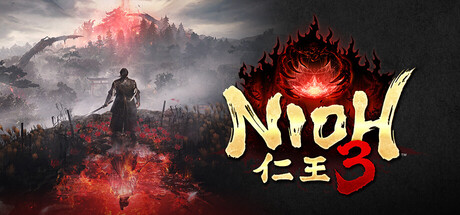
Nioh 3
Dual-style samurai action with a full open world behind it: Nioh 3 is the series finally growing into the ambition it always hinted at, and it mostly sticks the landing.
GamerScout Verdict
The deepest Nioh yet, built for players who want demanding mechanical combat inside a world that actually rewards wandering.
Compare Prices(10 stores)
Every store in this table quotes us in euros, so the EUR figure is the price the seller actually set, not our arithmetic — which is why EUR is also the currency we rank in. We only list an offer here when the store gives us its price in euros, so nothing in this table is a number we invented.
Pick USD, PLN, GBP, CAD or AUD in the header and we convert from EUR at the European Central Bank reference rate — converted amounts are prefixed with ~. Your bank or the store may apply a different rate at checkout. We never hide offers based on where you are: everyone sees this whole table.
We may earn a commission when you buy games through links on this page — at no extra cost to you. It never affects our rankings or verdicts.
Price History
Screenshots & Media
About Nioh 3
I walked into Nioh 3 expecting the same corridor-fed punishment loop the series has always delivered, and what I got instead was a genuine structural reinvention that still hurts you in all the right ways. The core idea is straightforward: a single button press swaps you between two fully realized combat identities. Samurai style is the classic Nioh experience, built around three weapon stances, disciplined Ki Pulse timing after every combo to restore stamina, and weighty parry windows that reward patience. Ninja style is something else entirely. It trades that defensive structure for raw mobility, backstab incentives, footstool jumps, ranged Ninjutsu tools, and a playstyle that reads less like a samurai game and more like Ninja Gaiden filtered through a loot RPG. The real depth kicks in when you master the Burst Break, a timed style-swap counter that triggers right as certain enemy attacks land, stuns the target, and restores a sliver of health. Learning which boss moves beg for a Burst Break versus which ones demand you just eat the stamina drain is the kind of mechanical puzzle I kept picking back up for hours after I should have stopped. The open field design is the other big bet, and it pays off more than I expected given how badly this sort of post-Elden Ring pivot can go. Instead of choosing missions from a map screen, you move freely through large interconnected regions that span different historical eras, from the Warring States period forward. Optional bosses reward new class abilities for either style. Chests unlock Smithing Texts for the Blacksmith. Finding hidden Kodama spirits and Jizo statues drops skill points and permanent passive perks, including blessings that affect your Elixir drop rate. The pacing is genuinely smart: the world never feels like empty scale. The Crucibles, demonic gauntlet zones tied to story milestones, serve as self-contained difficulty spikes that break up the open-field rhythm and hand out Crucible Weapons with their own risk-reward trade-off (more damage output, but you take increased hits while using them). The Eternal Rift hub, where fallen characters linger alongside your blacksmith and vendors, has a distinct, quietly eerie atmosphere that the main world rarely matches. Weapon variety is absurd in the best way, ranging from hulking odachi to dual claws to throwable dual axes, each with its own deep skill tree and free respec options if a build stops feeling right. The Diablo-style loot churn is as relentless as ever, and that is both a feature and a tax. Sorting through dozens of gear pieces, slotting Soul Cores into Yin and Yang positions for Onmyo magic effects, managing Clan Allegiances with their real-time cooldowns, all of it is genuinely rewarding at depth but genuinely exhausting in the menus. Early hours with Elixirs are rougher than they need to be. Unlike Estus Flasks, Elixirs do not auto-refill to a set amount at shrines; they are consumables that stack in storage and replenish your loadout from reserve. In practice this smooths out once you invest in drop-rate skills, but the early window where you feel permanently undersupplied is an unnecessary friction point. Story is functional at best. Protagonist Tokugawa Takechiyo time-hops across eras chasing a brother who surrendered his soul to yokai, and the historical figures he meets are enjoyable window dressing rather than characters you will lose sleep over. Narrative has never been where Nioh earns its keep, and that is fine, but anyone coming from a writing-forward RPG should calibrate expectations. What the game does instead of strong writing is strong world texture: enemy design that is grotesque, darkly funny, and mechanically intelligent all at once, environments that hide fake walls, platforming puzzles, and elite encounters off the beaten path. For an RPG specialist, the absence of meaningful character arcs stings a little. For anyone who just wants sixty-plus hours of a combat system that keeps revealing new wrinkles, this is close to the genre ceiling right now.

RPGs
Tags
System Requirements
Minimum
- OS
- Windows® 11
- Memory
- 16 GB RAM
- DirectX
- Version 12
- Network
- Broadband Internet connection
- Storage
- 125 GB available space
- Graphics
- NVIDIA GeForce GTX 1060 VRAM 6GB, AMD Radeon RX 5600 XT (Rev. 2.0) VRAM 6GB
- Processor
- Intel Core i5-10400, AMD Ryzen 5 2600 6 cores / 12 threads or higher
- Sound Card
- 48000Hz 16bit Stereo
Recommended
- OS
- Windows® 11
- Memory
- 16 GB RAM
- DirectX
- Version 12
- Network
- Broadband Internet connection
- Storage
- 125 GB available space
- Graphics
- NVIDIA GeForce RTX 3060 Ti VRAM 8GB, AMD Radeon RX 6700 XT VRAM 12GB
- Processor
- Intel Core i5-10600K, AMD Ryzen 5 5600X 6 cores / 12 threads or higher
- Sound Card
- 48000Hz 16bit Stereo
Keep exploring
Community Discussion
Be the first to comment on Nioh 3.
Reviews & Ratings
Game Info
- Developer
- KOEI TECMO GAMES CO., LTD.
- Publisher
- KOEI TECMO GAMES CO., LTD.
- Release Date
- Feb 5, 2026