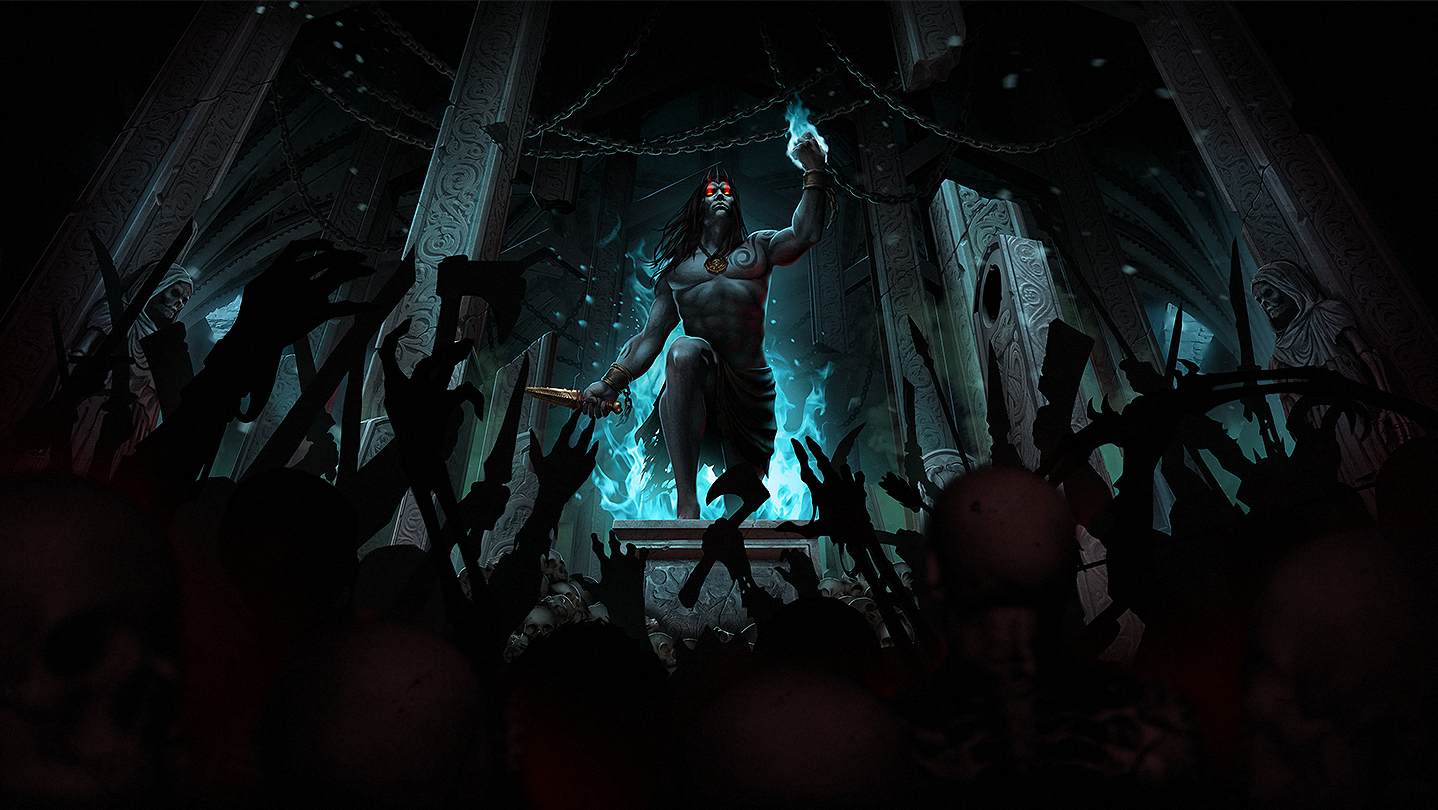
Iratus: Lord of the Dead
Play as the necromancer villain for once: build undead squads from harvested body parts and grind living heroes into dust in this punishing roguelike RPG.
GamerScout Verdict
Best for Darkest Dungeon veterans who want to field the monsters - bring patience for the mid-game grind and low expectations for story depth.
Compare Prices(9 stores)
Every store in this table quotes us in euros, so the EUR figure is the price the seller actually set, not our arithmetic — which is why EUR is also the currency we rank in. We only list an offer here when the store gives us its price in euros, so nothing in this table is a number we invented.
Pick USD, PLN, GBP, CAD or AUD in the header and we convert from EUR at the European Central Bank reference rate — converted amounts are prefixed with ~. Your bank or the store may apply a different rate at checkout. We never hide offers based on where you are: everyone sees this whole table.
We may earn a commission when you buy games through links on this page — at no extra cost to you. It never affects our rankings or verdicts.
Price History
Screenshots & Media
About Iratus: Lord of the Dead
Iratus: Lord of the Dead flips the dungeon-crawler script by putting you in the rotting boots of Iratus, a furious necromancer clawing his way up from the depths toward the surface world. Instead of heroically clearing rooms of undead, you are the undead problem. Your job is to assemble a squad of up to four minions from eleven unit types - including Zombies, Skeletons, Banshees, Vampires, Wraiths, and the grotesquely satisfying Mummy - then send them into tactical turn-based combat against waves of mortal heroes who have the nerve to stand in your way. The thematic reversal sounds gimmicky, but Unfrozen commits to it hard enough that it genuinely reshapes how you approach every encounter. The tactical layer is where Iratus earns its Very Positive rating. Position matters enormously: certain attacks only work from specific rank slots, and some minions collapse in usefulness if pushed out of formation. Sanity damage runs alongside physical health as a parallel threat system, letting you psychologically shatter enemies before their HP hits zero. Iratus himself contributes actively through a library of spells you unlock and slot over time, and choosing when to spend mana versus let your minions grind it out is a recurring micro-decision that keeps combat from ever feeling fully automatic. The roguelike loop means permanent death for your minions, but you can reconstruct them - provided you have enough harvested body parts on hand. Yes, really. Limbs and organs are currency. It is deeply weird and the game is better for it. The progression system layered on top offers skill trees for Iratus and crafting options for minion upgrades, giving runs a meaningful sense of forward momentum even when a bad dice run wipes your carefully built squad. That said, the pacing can drag. Mid-game in particular hits a friction wall where enemy scaling outpaces your tools, and some runs devolve into XP-grinding the same corridor tiles to shore up a weak unit before pushing forward. If you have a low tolerance for repetition between the genuinely interesting fights, that will test your patience more than the difficulty will. The difficulty, by the way, is steep even on default settings - this is not a game for players expecting a smooth onboarding curve. Narratively, Iratus is thin. The villain-protagonist setup has personality and the writing for Iratus himself has a satisfying sneering quality, but do not come expecting Disco Elysium-level worldbuilding or branching dialogue. The story is a vehicle for the tactical loop, not a destination in itself. What it does offer is atmospheric dark fantasy tone executed with enough conviction that the setting feels lived-in rather than stock. The visual design of the minion roster is genuinely good - each unit type reads clearly in combat while still looking grotesque in the right ways. If you like Darkest Dungeon and wished you could field the dungeon's side, Iratus scratches that itch more directly than almost anything else in the genre. The build variety across eleven minion types and Iratus's spell selection holds up well past hour 40, though synergy discovery slows once you have explored the roster. Completionists and roguelike veterans will get the most value here. Players looking for narrative depth or a forgiving entry point should probably look elsewhere.

RPGs
Tags
System Requirements
Minimum
- Processor
- Intel Core 2 Duo 2.4 GHz
- Memory
- 1 GB RAM
- Graphics
- Open GL 3.2+ Compliant
- DirectX
- Version 9.0c
- Storage
- 3500 MB available space
- Sound Card
- Direct X9 Compatible
Recommended
- OS
- Windows 10 - 64 Bit
- Processor
- Intel Core i5 3.0 GHz
- Memory
- 4 GB RAM
- Graphics
- NVIDIA GeForce GTX 760, AMD Radeon R9 280X
- DirectX
- Version 11 Stor…
DLC & Add-ons for Iratus: Lord of the Dead1
Expansions, DLC packs and add-on content for this game. Click any item to see store offers.

Keep exploring
Community Discussion
Be the first to comment on Iratus: Lord of the Dead.
Reviews & Ratings
Game Info
- Developer
- Unfrozen
- Publisher
- Daedalic Entertainment
- Release Date
- Apr 23, 2020