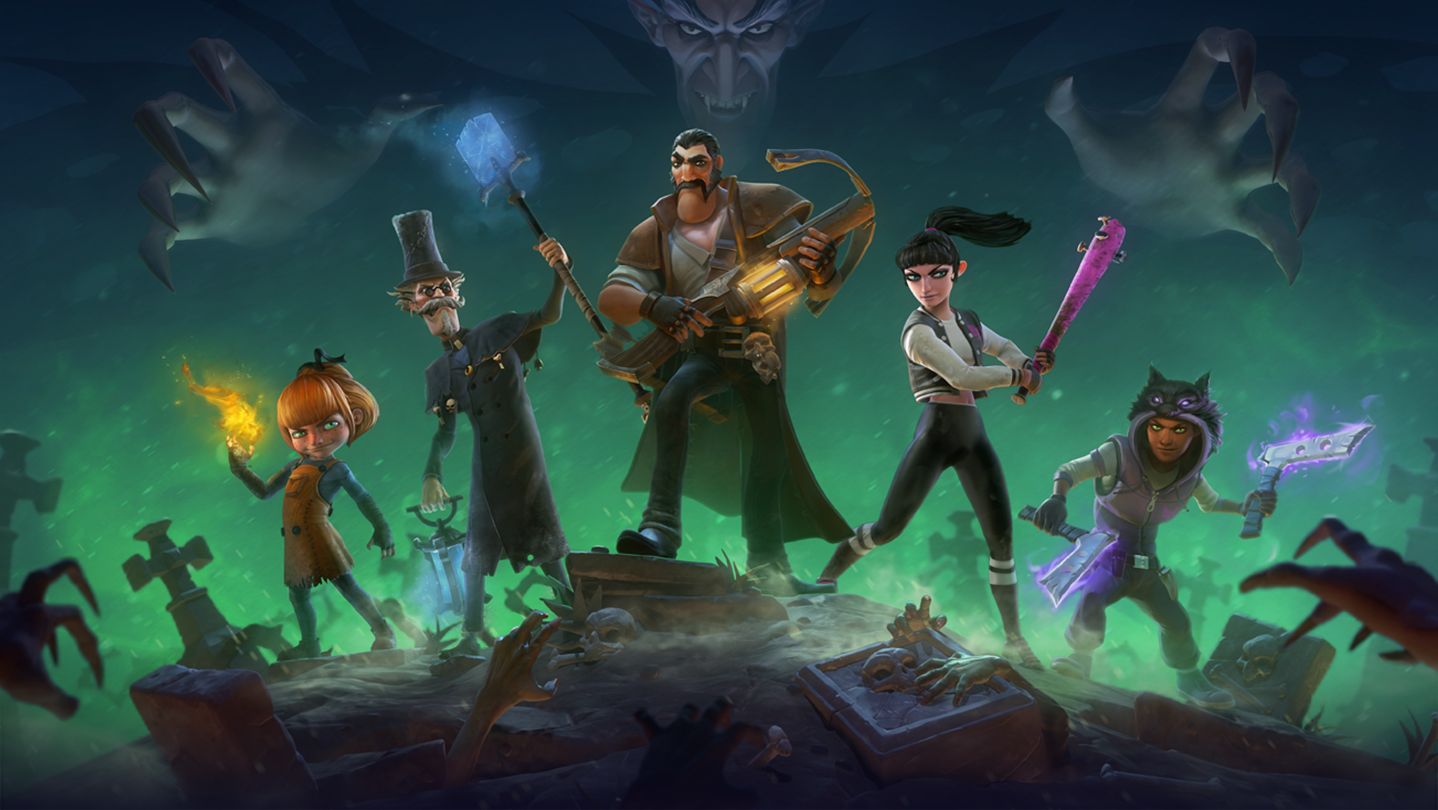
Hero Defense
A tower-defense hybrid where you place named heroes on the path instead of turrets, then level them up through waves of undead. Functional, but rough around the edges.
GamerScout Verdict
Solid enough as a casual tower-defense fix with light RPG trimmings, but too thin on story and depth to hold serious RPG fans past hour 10.
Compare Prices(6 stores)
Every store in this table quotes us in euros, so the EUR figure is the price the seller actually set, not our arithmetic — which is why EUR is also the currency we rank in. We only list an offer here when the store gives us its price in euros, so nothing in this table is a number we invented.
Pick USD, PLN, GBP, CAD or AUD in the header and we convert from EUR at the European Central Bank reference rate — converted amounts are prefixed with ~. Your bank or the store may apply a different rate at checkout. We never hide offers based on where you are: everyone sees this whole table.
We may earn a commission when you buy games through links on this page — at no extra cost to you. It never affects our rankings or verdicts.
Price History
Screenshots & Media
About Hero Defense
Hero Defense sits at the intersection of tower defense and lite-RPG, asking a simple question: what if your towers had names, skill trees, and personalities? The answer is a game where you slot a roster of heroes onto fixed points along enemy paths, each one specializing in a different flavor of undead disposal. You have your slasher, your fire-caster, your archer, and so on. Enemies march, heroes attack automatically, and you manage cooldowns, positioning swaps, and upgrade spending between waves. It is not a deep RPG by any serious measure, but it does scratch a particular itch if you enjoy watching numbers climb while skeletons dissolve. The hero progression system is where the game earns its RPG tag, however modestly. Each character accumulates experience, unlocks passive and active skills, and can be geared up with equipment drops. There is enough here to feel like you are building something, especially across the first dozen hours. Build variety exists in a real, if limited, sense: you can lean into area-of-effect crowd control with one hero while speccing another for single-target burst on elite enemies. It rarely demands optimization, but it rewards players who pay attention to enemy type compositions and adjust hero placement accordingly. The problems are hard to ignore once the honeymoon fades. The writing is thin. The heroes have archetypal personalities sketched in a handful of lines, and the story is essentially a delivery vehicle for the next wave map. If you come in hoping for narrative payoff or choices that matter, you will be disappointed quickly. The quest for lore depth turns up empty. The undead world domination plot is present, acknowledged, and then mostly ignored in favor of another kill count. For an RPG specialist, that stings a little. There are no branching decisions, no dialogue worth quoting, no reason to replay for a different story experience. The mixed Steam review score reflects a genuine split. Players who approached it as a pure tower-defense game with RPG seasoning report decent fun, especially in the earlier campaign stages where the hero roster feels fresh. Players who wanted more mechanical depth, or who hit repetitive mid-game maps, bounced off hard. The level design does grow samey, and the pacing stretches thin in the back half. If filler content frustrates you, the later maps will test your patience. The production quality is competent but not remarkable, and the game has not received the kind of post-launch support that would smooth its rougher edges. Hero Defense is a reasonable pick for players who enjoy casual tower defense and want a thin but functional progression layer on top. It is not a game that rewards deep investment or replays. Think of it as a genre snack, not a meal. Fans of serious RPG systems or narrative-driven strategy should look elsewhere. If you just want to watch a grizzled hero impale skeletons while a skill tree slowly fills in, there is modest entertainment here.

RPGs
Tags
System Requirements
Minimum
- Processor
- Dual Core 1.8GHZ or Single Core 3.0GHZ
- Memory
- 2 GB RAM
- Graphics
- 512 MB
- DirectX
- Version 9.0c
- Storage
- 2 GB available space
Recommended
- Processor
- Dual Core 2.66GHZ
- Memory
- 2 GB RAM
- Graphics
- 1 GB
- DirectX
- Version 11
- Storage
- 2 GB available space
Keep exploring
Community Discussion
Be the first to comment on Hero Defense.
Reviews & Ratings
Game Info
- Developer
- Happy Tuesday
- Publisher
- Headup, Whisper Games
- Release Date
- May 31, 2016