Caladrius Blaze
A niche bullet-hell from the Raiden studio that actually has teeth: tight Element Shot mechanics, four distinct modes, and a weird fan-service hook that you either ignore or don't.
GamerScout Verdict
Best for shmup veterans who want score-attack depth and can live with dated visuals and fan-service baked into the loop.
Compare Prices(7 stores)
Every store in this table quotes us in euros, so the EUR figure is the price the seller actually set, not our arithmetic — which is why EUR is also the currency we rank in. We only list an offer here when the store gives us its price in euros, so nothing in this table is a number we invented.
Pick USD, PLN, GBP, CAD or AUD in the header and we convert from EUR at the European Central Bank reference rate — converted amounts are prefixed with ~. Your bank or the store may apply a different rate at checkout. We never hide offers based on where you are: everyone sees this whole table.
We may earn a commission when you buy games through links on this page — at no extra cost to you. It never affects our rankings or verdicts.
Price History
About Caladrius Blaze
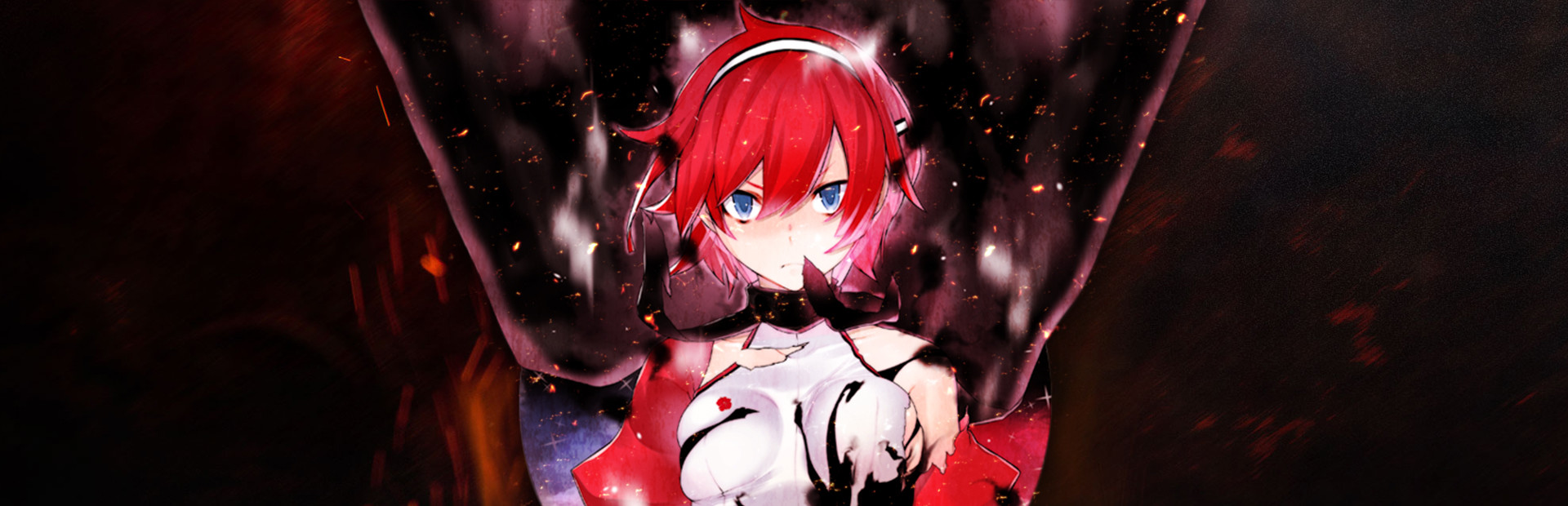
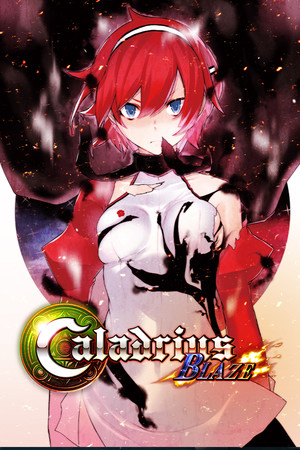
I came into Caladrius Blaze expecting a low-effort shmup port with anime skin sprinkled on top, and walked away genuinely respecting the mechanical core that MOSS built. This is a vertically scrolling bullet-hell from the same studio behind the later Raiden games, and that pedigree is audible in the way the shot systems are structured. You pick from eight pilots, each flying a ship with its own speed and firepower profile. Once you clear stories with at least two characters, you unlock Element Shot customization, letting you mix and match between Offense, Support, and Defense special weapons to build a setup that suits how you actually play. The five-button control scheme sounds gimmicky until you realize that juggling all three Element gauges mid-dodge is where the skill expression lives. The game ships with three primary modes plus an unlockable Boss Rush. Original mode runs the six base stages with a straightforward scoring system. Arcade mode ports the All.Net arcade version, adding two bonus missions with their own objectives and a rebalanced scoring loop. Evolution mode is where most dedicated players will spend their time: it adds the arcade missions, a brand new stage and boss, and substitutes in the Evolution burst mechanic, which requires all three Element gauges to sit above 50% before you can fire all three shots simultaneously to cancel enemy bullets and spike your damage output. Using it drains your gauges to zero, so timing the burst is a real decision rather than a panic button. Score Attack mode unlocks individual stages as you complete them in story runs, giving you a clean leaderboard-focused grind per level. Single runs are short. A full playthrough in any mode clocks somewhere between thirty and forty minutes, which is normal for the genre but can feel thin if you came in expecting a mid-evening session. The depth is in the replay loop: each of the eight characters plays differently enough that optimizing routes per ship is a legitimate activity, and online leaderboards are separated between the Steam and GOG versions, so be aware of that split if leaderboard competition matters to you. Two-player local co-op is supported, and the story actually branches depending on which character pairing you choose, which is a small but welcome touch. Note that the Steam version requires an internet connection on launch, even for solo play. Presentation is where critics and community voices diverge. Character artwork is from Suzuhito Yasuda, the designer behind Durarara and Devil Survivor, and it looks sharp. The 3D stage environments, however, are a port of a 360-era game and they look it. Backgrounds are bland, textures are low-resolution, and the game is locked to 720p with no resolution options beyond windowed or fullscreen. The localization also has rough edges: grammatical quirks made it through to the final PC version and the script feels machine-translated in places. On audio, the Japanese voice acting is full and well-performed, but the sound mixing between music and effects is unbalanced enough that most players end up manually adjusting both. The Shame Break system, where character and boss clothing tears incrementally as damage accumulates, is the obvious talking point. It is exactly as advertised: anime fan-service that can be uncomfortable in shared spaces. Reviewers who called it a distraction are not wrong. It does not affect mechanics in any meaningful way. If that element is a hard no for you, it is baked in and there is no toggle. What remains underneath is a genuinely competent bullet-hell with enough mode variety and character-specific routing to hold genre fans well past a single run.

Shooters
Tags
System Requirements
Minimum
- OS
- Windows 7 / 8 / 10
- Memory
- 2 GB RAM
- DirectX
- Version 11
- Storage
- 2 GB available space
- Graphics
- Graphic card with 512MB VRAM
- Processor
- Intel Core 2 Duo 2.0 GHz
- Sound Card
- Direct Sound
Recommended
- OS
- Windows 7 / 8 / 10
- Memory
- 4 GB RAM
- DirectX
- Version 11
- Storage
- 2 GB available space
- Graphics
- Graphic card with 1GB VRAM or better
- Processor
- Intel Core 2 Quad 2.66GHz or better
- Sound Card
- Direct Sound
Keep exploring
Community Discussion
Be the first to comment on Caladrius Blaze.
Reviews & Ratings
No ratings available
Game Info
- Developer
- MOSS Co., Ltd.
- Publisher
- H2 Interactive Co., Ltd.
- Release Date
- Jan 11, 2017