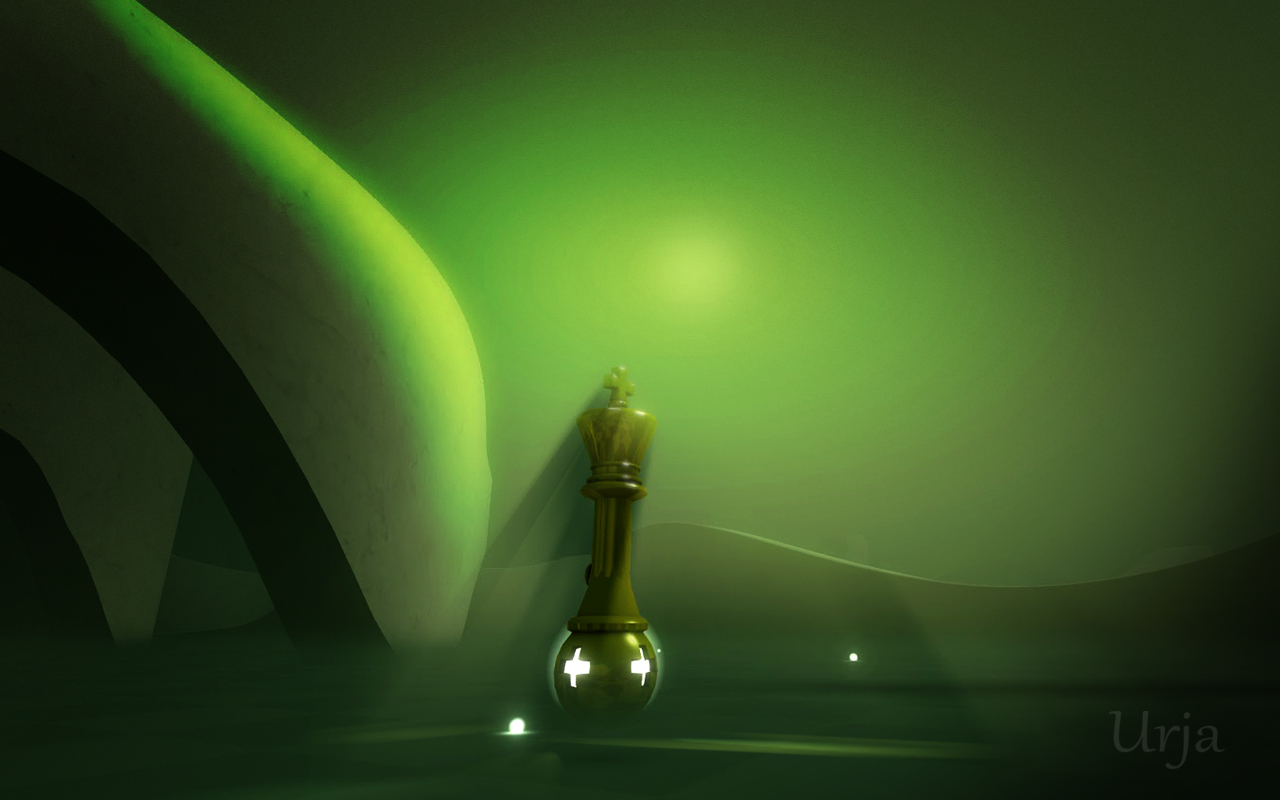
Compara los precios de Urja en tiendas de claves de confianza y encuentra la mejor oferta. Desarrollado por Breaking Fourth. Lanzado el 9/1/2015. Disponible en PC, Mac. Géneros: Casual, Indie, Strategy.

A chess-themed first-person shooter with a genuinely clever body-snatching mechanic that community reviews split almost down the middle - approach with calibrated expectations, not hype.

My spreadsheet instincts told me Urja would be a tight little systems game the moment I read the premise: you start as a lowly pawn in a surreal first-person world and claw your way up the chess hierarchy by eliminating higher-ranked pieces and transferring into their depleted shells. That body-transfer loop - press spacebar near a downed enemy, inherit their rank and abilities - is the one genuinely interesting design decision here, and it deserves credit for existing. The Knight can raise a shield to absorb incoming energy blasts, the Rook drops temporary glass barriers to seal off corridors, and the Bishop can resurrect fallen entities. On paper, that reads like a small but coherent ability ladder with real tactical upside. The execution is where things buckle. The AI, which the game promises will behave differently each run, lands somewhere between erratic and punishing in practice. Community feedback consistently flags that enemies recover from stuns almost instantly and can one-shot you before you reposition. The "puzzle" element depends heavily on the AI wandering into an isolated corner on its own schedule rather than on any plan you construct. For someone who likes to read the board and build toward a late-game position, that randomness is a structural problem, not a difficulty curve. Average reported playtime sits around two and a half hours, which is thin for a game pitching itself on strategic depth. On Mac, there is an additional hard stop: the game is incompatible with macOS 10.15 Catalina and above, making it effectively dead on modern Apple hardware. Windows players at least get a running build, though the leaderboard ecosystem the game was designed around appears to have lost almost all active population. Seasonal prize competitions that were central to the original pitch have long since gone quiet. Who does this actually suit? Curiosity buyers who appreciate abstract, surreal first-person spaces and want something mechanically weird for ninety minutes. If you can tolerate opaque AI behavior and treat the body-transfer ranking system as a toy to poke rather than a ladder to master, there is a threadbare novelty here. Anyone expecting a disciplined tactical experience where patience and observation translate to consistent wins will find the gap between promise and delivery frustrating. The concept deserved a more polished second revision that never came. Diego, Scout Team

Urja

Urja

9 ene 2015Breaking FourthUnknown
GamerScout opina

A chess-themed first-person shooter with a genuinely clever body-snatching mechanic that community reviews split almost down the middle - approach with calibrated expectations, not hype.

PCMac
ProtonDB Platinum
Mejor precio disponible
€0.00
en N/A
Mínimo histórico: €1.24

Comparar precios(0 tiendas)

Cargando precios...

We may earn a commission when you buy games through links on this page — at no extra cost to you. It never affects our rankings or verdicts.

Historial de precios

Historical low
€1.2410 Jun 2026
Keyshops
€1.21€1.31€1.41€1.5110 Jun15 Jun19 Jun24 Jun28 Jun
Tracking prices since 10 Jun 2026
Create alert

Capturas y multimedia

Captura

Acerca de Urja

My spreadsheet instincts told me Urja would be a tight little systems game the moment I read the premise: you start as a lowly pawn in a surreal first-person world and claw your way up the chess hierarchy by eliminating higher-ranked pieces and transferring into their depleted shells. That body-transfer loop - press spacebar near a downed enemy, inherit their rank and abilities - is the one genuinely interesting design decision here, and it deserves credit for existing. The Knight can raise a shield to absorb incoming energy blasts, the Rook drops temporary glass barriers to seal off corridors, and the Bishop can resurrect fallen entities. On paper, that reads like a small but coherent ability ladder with real tactical upside. The execution is where things buckle. The AI, which the game promises will behave differently each run, lands somewhere between erratic and punishing in practice. Community feedback consistently flags that enemies recover from stuns almost instantly and can one-shot you before you reposition. The "puzzle" element depends heavily on the AI wandering into an isolated corner on its own schedule rather than on any plan you construct. For someone who likes to read the board and build toward a late-game position, that randomness is a structural problem, not a difficulty curve. Average reported playtime sits around two and a half hours, which is thin for a game pitching itself on strategic depth. On Mac, there is an additional hard stop: the game is incompatible with macOS 10.15 Catalina and above, making it effectively dead on modern Apple hardware. Windows players at least get a running build, though the leaderboard ecosystem the game was designed around appears to have lost almost all active population. Seasonal prize competitions that were central to the original pitch have long since gone quiet. Who does this actually suit? Curiosity buyers who appreciate abstract, surreal first-person spaces and want something mechanically weird for ninety minutes. If you can tolerate opaque AI behavior and treat the body-transfer ranking system as a toy to poke rather than a ladder to master, there is a threadbare novelty here. Anyone expecting a disciplined tactical experience where patience and observation translate to consistent wins will find the gap between promise and delivery frustrating. The concept deserved a more polished second revision that never came.

Diego
Diego · Scout Team

Strategy & simulation

Etiquetas

singleplayertrading-cardstier:sub-5Chess-InspiredBody-Transfer MechanicEnergy-Based CombatSurreal FPSRank ProgressionAI-Dependent DifficultyLeaderboard-FocusedAbstract ArenaMinimalist Aesthetic

Requisitos del sistema

Mínimos

Memory
1 GB RAM
DirectX
Version 9.0
Storage
500 MB available space
Graphics
Graphics card with DirectX 9 level (shader model 3.0) capabilities
Processor
Windows XP or later
Sound Card
Yes

Sigue explorando

Community Discussion

Be the first to comment on Urja.

Reseñas y valoraciones

No hay valoraciones disponibles

Información del juego

Desarrolladora
Breaking Fourth
Distribuidora
Unknown
Fecha de lanzamiento
9 ene 2015

Alerta de precio

¡Recibe un aviso cuando el precio baje de tu objetivo!

Crear alerta

Compra mejor: guías útiles

¿Buscas más? Mira juegos como Urja →

Preguntas frecuentes sobre Urja

¿Cuánto cuesta Urja?

El precio de Urja cambia a menudo y varía según la tienda, la edición y la región. La tabla de precios en vivo de esta página compara las ofertas más baratas en stock de tiendas de claves de confianza como Eneba y Kinguin, para que siempre veas el precio más bajo actual antes de comprar.

¿Dónde puedo comprar Urja más barato?

Compara los precios de Urja en todas las tiendas verificadas en la tabla de precios de esta página. Listamos las ofertas de claves y tiendas más baratas en stock, actualizadas con frecuencia, para que siempre veas la mejor oferta actual antes de comprar.

¿En qué plataformas está disponible Urja?

Urja está disponible en PC, Mac.

¿Cuándo se lanzó Urja?

Urja se lanzó el 9 de enero de 2015.

¿Quién desarrolló Urja?

Urja fue desarrollado por Breaking Fourth.