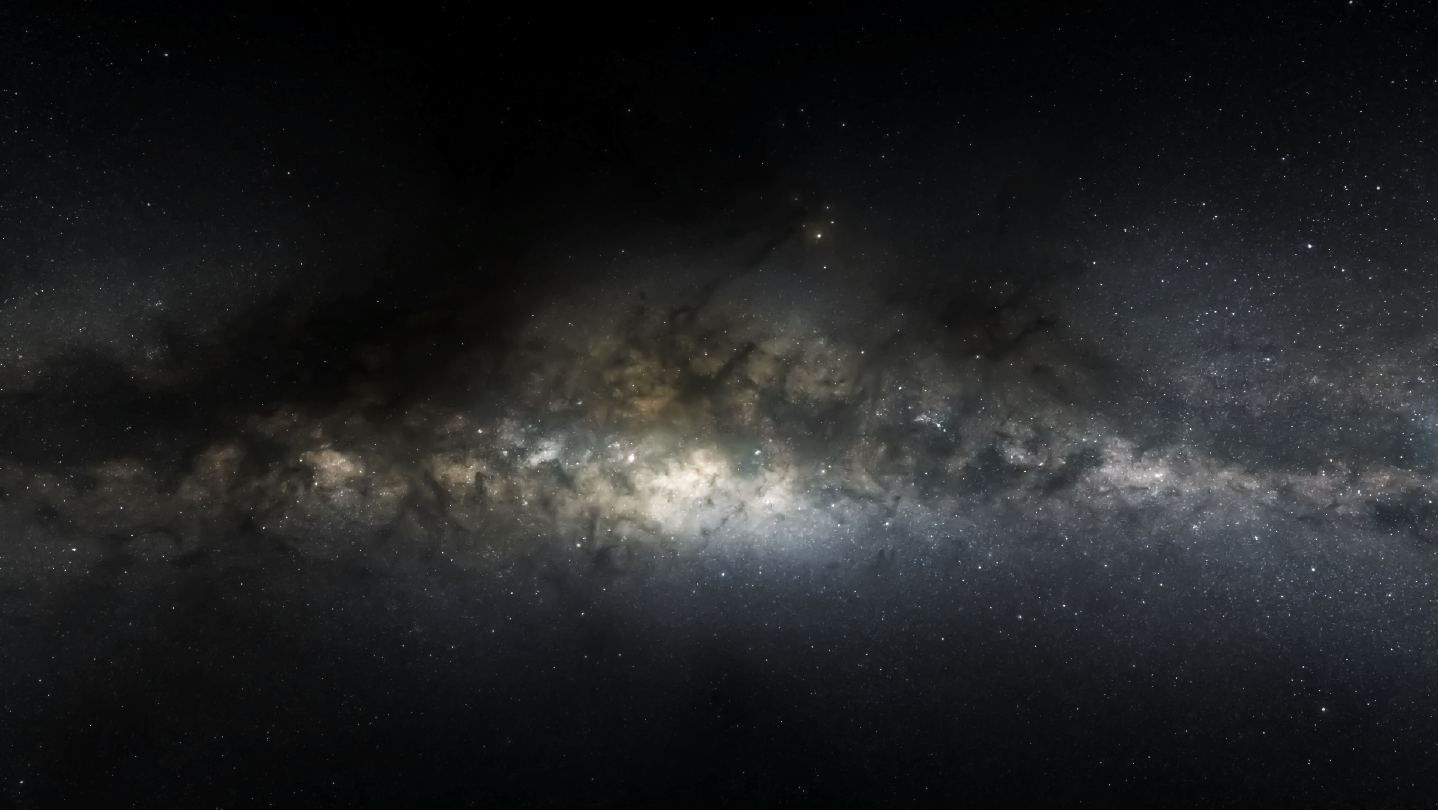
Compara los precios de Universe Sandbox en tiendas de claves de confianza y encuentra la mejor oferta. Desarrollado por Giant Army. Publicado por Giant Army. Lanzado el 24/8/2015. Disponible en PC. Géneros: Casual, Indie, Simulation, Early Access. Puntuación Metacritic: 83/100.

A physics-accurate space sandbox where you smash planets, bend gravity, and watch stars die, all backed by real science and 31K near-perfect reviews.

Universe Sandbox sits in a rare category: it is simultaneously a legitimate astrophysics simulator and the most fun you will have obliterating the solar system on a Tuesday afternoon. Giant Army built it around real gravitational physics, stellar evolution models, and thermodynamic calculations, which means every collision, orbit decay, and atmospheric boiloff you trigger is governed by actual science rather than scripted eye candy. That credibility is what separates it from every other "space toy" on the store page. For the strategy and simulation crowd, the depth of decision-making here is subtle but real. You are constantly making choices about initial conditions: tweak a planet's mass, adjust its axial tilt, drop a second star into the system, and watch every downstream variable cascade in real time. It is the kind of cause-and-effect chain that should feel familiar if you have spent time with complex sim titles. There is no win condition, no tech tree, and no build order to memorize, but the mental loop of hypothesis and experiment is genuinely engaging over long sessions. The included scenarios range from historically grounded (simulate what happens if the Moon were twice as massive) to gleefully absurd (fire a space laser at Jupiter). Tutorial quality is worth addressing directly, because it matters. Universe Sandbox does not hold your hand beyond the basics, and some of the deeper simulation parameters, particularly around stellar lifecycle settings and atmospheric modeling, are explained thinly. New players will hit a wall of sliders and feel briefly lost. The honest counter to that: the Steam community and the developer's own wiki fill those gaps well, and the core interactions are intuitive enough that most people find their footing within an hour of experimenting. If you are the type who reads documentation willingly, you will unlock a surprisingly layered sandbox very quickly. The long-term content question is fair given its Early Access status, maintained since 2015. Giant Army has pushed consistent updates over the years, with improvements to climate simulation, tidal forces, and ring system rendering, among other additions. The roadmap still lists features in progress, so calling it "complete" would be inaccurate. What is already present, though, comfortably justifies the time investment for anyone who finds orbital mechanics even mildly interesting. The 96% positive rating across more than 31,000 Steam reviews is not an accident, and that sentiment has held across years of updates rather than spiking at launch. Performance is one area that earns an asterisk. Simulating large-scale collisions or systems with dozens of bodies will stress mid-range hardware noticeably. The visual fidelity during planetary impacts is stunning, but expect frame drops during the most chaotic scenarios unless your rig is reasonably current. There is no multiplayer, no mod workshop integration at the level you would find in Paradox titles, and the absence of a structured campaign means pure sandbox players will get far more out of it than those who need external goals to stay engaged. Bottom line from a simulation perspective: Universe Sandbox earns its reputation by respecting the science while keeping the interface approachable enough that a curious non-expert can still collapse a star without a physics degree. It is not a strategy game, but the analytical mindset that strategy gamers bring to systems thinking translates well here. Give it a few hours before judging it by the tutorial alone. Diego, Scout Team

Universe Sandbox

Universe Sandbox

24 ago 2015Giant Army
GamerScout opina

A physics-accurate space sandbox where you smash planets, bend gravity, and watch stars die, all backed by real science and 31K near-perfect reviews.

PC
Steam Deck PlayableProtonDB Gold
Mejor precio disponible
€0.00
en N/A
Mínimo histórico: €12.48

Comparar precios(0 tiendas)

Cargando precios...

We may earn a commission when you buy games through links on this page — at no extra cost to you. It never affects our rankings or verdicts.

Historial de precios

Historical low
€12.4823 Jun 2026
Keyshops
€11.79€12.47€13.15€13.835 Jun11 Jun17 Jun22 Jun28 Jun
Tracking prices since 5 Jun 2026
Create alert

Capturas y multimedia

Acerca de Universe Sandbox

Universe Sandbox sits in a rare category: it is simultaneously a legitimate astrophysics simulator and the most fun you will have obliterating the solar system on a Tuesday afternoon. Giant Army built it around real gravitational physics, stellar evolution models, and thermodynamic calculations, which means every collision, orbit decay, and atmospheric boiloff you trigger is governed by actual science rather than scripted eye candy. That credibility is what separates it from every other "space toy" on the store page. For the strategy and simulation crowd, the depth of decision-making here is subtle but real. You are constantly making choices about initial conditions: tweak a planet's mass, adjust its axial tilt, drop a second star into the system, and watch every downstream variable cascade in real time. It is the kind of cause-and-effect chain that should feel familiar if you have spent time with complex sim titles. There is no win condition, no tech tree, and no build order to memorize, but the mental loop of hypothesis and experiment is genuinely engaging over long sessions. The included scenarios range from historically grounded (simulate what happens if the Moon were twice as massive) to gleefully absurd (fire a space laser at Jupiter). Tutorial quality is worth addressing directly, because it matters. Universe Sandbox does not hold your hand beyond the basics, and some of the deeper simulation parameters, particularly around stellar lifecycle settings and atmospheric modeling, are explained thinly. New players will hit a wall of sliders and feel briefly lost. The honest counter to that: the Steam community and the developer's own wiki fill those gaps well, and the core interactions are intuitive enough that most people find their footing within an hour of experimenting. If you are the type who reads documentation willingly, you will unlock a surprisingly layered sandbox very quickly. The long-term content question is fair given its Early Access status, maintained since 2015. Giant Army has pushed consistent updates over the years, with improvements to climate simulation, tidal forces, and ring system rendering, among other additions. The roadmap still lists features in progress, so calling it "complete" would be inaccurate. What is already present, though, comfortably justifies the time investment for anyone who finds orbital mechanics even mildly interesting. The 96% positive rating across more than 31,000 Steam reviews is not an accident, and that sentiment has held across years of updates rather than spiking at launch. Performance is one area that earns an asterisk. Simulating large-scale collisions or systems with dozens of bodies will stress mid-range hardware noticeably. The visual fidelity during planetary impacts is stunning, but expect frame drops during the most chaotic scenarios unless your rig is reasonably current. There is no multiplayer, no mod workshop integration at the level you would find in Paradox titles, and the absence of a structured campaign means pure sandbox players will get far more out of it than those who need external goals to stay engaged. Bottom line from a simulation perspective: Universe Sandbox earns its reputation by respecting the science while keeping the interface approachable enough that a curious non-expert can still collapse a star without a physics degree. It is not a strategy game, but the analytical mindset that strategy gamers bring to systems thinking translates well here. Give it a few hours before judging it by the tutorial alone.

Diego
Diego · Scout Team

Strategy & simulation

Etiquetas

steamPhysics SimulationAstrophysicsSandbox ExperimentPlanetary DestructionEducational SimNo Win ConditionProcedural SystemsSolo Play

Requisitos del sistema

Mínimos

Processor
1.6GHz dual-core
Memory
1 GB RAM
Graphics
512 MB Video Memory, Shader Model 4.0
DirectX
Version 11
Storage
2 GB available space

Recomendados

OS
Windows 11
Processor
3.6 GHz quad-core
Memory
8 GB RAM
Graphics
8+ GB Video Memory
DirectX
Version 12

Sigue explorando

Community Discussion

Be the first to comment on Universe Sandbox.

Reseñas y valoraciones

Metacritic
83
Steam
96%(31,173)

Información del juego

Desarrolladora
Giant Army
Distribuidora
Giant Army
Fecha de lanzamiento
24 ago 2015

Alerta de precio

¡Recibe un aviso cuando el precio baje de tu objetivo!

Crear alerta

Compra mejor: guías útiles

¿Buscas más? Mira juegos como Universe Sandbox →

Preguntas frecuentes sobre Universe Sandbox

¿Cuánto cuesta Universe Sandbox?

El precio de Universe Sandbox cambia a menudo y varía según la tienda, la edición y la región. La tabla de precios en vivo de esta página compara las ofertas más baratas en stock de tiendas de claves de confianza como Eneba y Kinguin, para que siempre veas el precio más bajo actual antes de comprar.

¿Dónde puedo comprar Universe Sandbox más barato?

Compara los precios de Universe Sandbox en todas las tiendas verificadas en la tabla de precios de esta página. Listamos las ofertas de claves y tiendas más baratas en stock, actualizadas con frecuencia, para que siempre veas la mejor oferta actual antes de comprar.

¿En qué plataformas está disponible Universe Sandbox?

Universe Sandbox está disponible en PC.

¿Cuándo se lanzó Universe Sandbox?

Universe Sandbox se lanzó el 24 de agosto de 2015.

¿Quién desarrolló Universe Sandbox?

Universe Sandbox fue desarrollado por Giant Army.

¿Merece la pena comprar Universe Sandbox?

Universe Sandbox tiene una puntuación Metacritic de 83/100, lo que lo convierte en uno de los títulos destacados de Casual. Mira las reseñas completas, las valoraciones y los tiempos de duración en esta página para decidir.