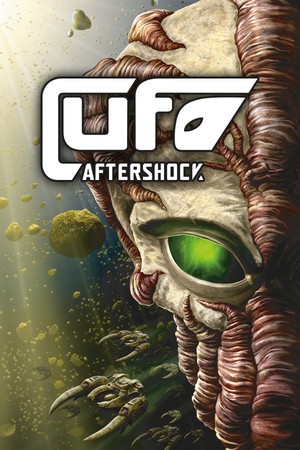
Compara los precios de UFO: Aftershock en tiendas de claves de confianza y encuentra la mejor oferta. Desarrollado por ALTAR Interactive. Publicado por Fulqrum Publishing. Lanzado el 16/4/2014. Disponible en PC. Géneros: Strategy.

A mid-2000s X-COM heir with genuine strategic ambition, let down by repetitive maps and stubborn bugs - still compelling for players who want a full geoscape-to-gunfight loop and don't mind rough edges.

I've spent time with enough Paradox titles to know that a steep learning curve is not the same thing as bad design, and UFO: Aftershock is a useful reminder of that distinction. ALTAR Interactive's 2005 sequel to UFO: Aftermath sits in an interesting place: it genuinely improved the strategic layer that the first game largely ignored, then handed you a tactical game that never fully delivered on that promise. Understanding exactly where those two halves diverge is the key to knowing whether this is worth your time. On the strategy side, Aftershock added the things that Aftermath fans had been asking for. You get base building across captured provinces, research labs and factories that require upkeep and force real trade-offs, resource management, and infrastructure tracks connecting your territories to keep supply lines efficient. You also manage diplomacy with surviving human factions - Cultists, mutant groups, and Reticulan-aligned forces - each controllable through negotiation or conquest. Soldiers are no longer stat-lotteries you wait on; you direct their training, which means a dedicated squad of snipers or a close-quarters breaching team is a deliberate build choice rather than a happy accident. The weapon customisation goes further than Aftermath too, with stabilisers, scopes, and muzzle attachments available once your research and factories align. The geoscape loop has enough moving parts to keep a spreadsheet-oriented player genuinely busy. The tactical layer is where the honest review gets uncomfortable. Missions run in real-time-with-pause, and that system works well in concept - you can freeze the action, issue orders, and manage a firefight across multi-level terrain where elevation actually matters for cover and line-of-sight. The problem is the map pool. There are only a handful of distinct environments, and you will clear the same ruined factory or wasted countryside over and over whether you are operating in Eastern Europe or South America. Mission types are similarly thin: escort civilians (whose AI is unreliable), capture a target, or seize a province by destroying an objective. Enemy variety leans heavily on Reticulan Greys and various mutant types through most of the campaign. Friendly unit pathfinding is unreliable enough to cause deaths you didn't earn, and crash-to-desktop bugs are a documented reality - saving often is not optional, it is survival. The community-maintained unofficial 1.3 patch and the Weapon Rebalance mod address some of the roughest edges, and both are worth finding before you start. For newcomers to the X-COM-lineage genre, Aftershock is actually not the worst entry point despite its reputation. The tutorial walks you through enough of the controls to get functional, the pause-anywhere system eliminates the pure reflex pressure of real-time tactics, and the automatic-pause options can be tuned down once you have the flow. The complexity ramps gradually - early game is about territory scraps and basic gear, mid-game forces you to balance multiple base operations and faction relationships simultaneously, and late game throws alien weaponry and resource scarcity at you in a way that rewards players who built their tech tree with intent. Steam reviews sit at roughly 77 percent positive, with long-time players citing 60 to 100-hour runs. That runtime is real, and if the geoscape layer hooks you, the repetitive missions become a rhythm rather than a wall. The honest bottom line is that Aftershock is a flawed time capsule that fills a specific gap no modern game has cleanly replaced. XCOM 2 is more polished; Phoenix Point tried harder and had its own problems. Aftershock has a genuine dual-layer strategy loop, a surprisingly deep soldier-build system, and a faction-diplomacy map that still feels distinctive. It also has clunky pathfinding, a shallow mission pool, and crash risks that demand a save discipline closer to a roguelike. If you can accept those terms, there are well over 60 hours of genuinely interesting decisions buried here. Diego, Scout Team

UFO: Aftershock

UFO: Aftershock

16 abr 2014ALTAR InteractiveFulqrum Publishing
GamerScout opina

A mid-2000s X-COM heir with genuine strategic ambition, let down by repetitive maps and stubborn bugs - still compelling for players who want a full geoscape-to-gunfight loop and don't mind rough edges.

PC
Steam Deck UnsupportedProtonDB Gold
Mejor precio disponible
€0.00
en N/A
Mínimo histórico: €0.71

Comparar precios(0 tiendas)

Cargando precios...

We may earn a commission when you buy games through links on this page — at no extra cost to you. It never affects our rankings or verdicts.

Historial de precios

Historical low
€0.7123 Jun 2026
Keyshops
€0.67€0.80€0.93€1.069 Jun14 Jun19 Jun23 Jun28 Jun
Tracking prices since 9 Jun 2026
Create alert

Capturas y multimedia

Acerca de UFO: Aftershock

I've spent time with enough Paradox titles to know that a steep learning curve is not the same thing as bad design, and UFO: Aftershock is a useful reminder of that distinction. ALTAR Interactive's 2005 sequel to UFO: Aftermath sits in an interesting place: it genuinely improved the strategic layer that the first game largely ignored, then handed you a tactical game that never fully delivered on that promise. Understanding exactly where those two halves diverge is the key to knowing whether this is worth your time. On the strategy side, Aftershock added the things that Aftermath fans had been asking for. You get base building across captured provinces, research labs and factories that require upkeep and force real trade-offs, resource management, and infrastructure tracks connecting your territories to keep supply lines efficient. You also manage diplomacy with surviving human factions - Cultists, mutant groups, and Reticulan-aligned forces - each controllable through negotiation or conquest. Soldiers are no longer stat-lotteries you wait on; you direct their training, which means a dedicated squad of snipers or a close-quarters breaching team is a deliberate build choice rather than a happy accident. The weapon customisation goes further than Aftermath too, with stabilisers, scopes, and muzzle attachments available once your research and factories align. The geoscape loop has enough moving parts to keep a spreadsheet-oriented player genuinely busy. The tactical layer is where the honest review gets uncomfortable. Missions run in real-time-with-pause, and that system works well in concept - you can freeze the action, issue orders, and manage a firefight across multi-level terrain where elevation actually matters for cover and line-of-sight. The problem is the map pool. There are only a handful of distinct environments, and you will clear the same ruined factory or wasted countryside over and over whether you are operating in Eastern Europe or South America. Mission types are similarly thin: escort civilians (whose AI is unreliable), capture a target, or seize a province by destroying an objective. Enemy variety leans heavily on Reticulan Greys and various mutant types through most of the campaign. Friendly unit pathfinding is unreliable enough to cause deaths you didn't earn, and crash-to-desktop bugs are a documented reality - saving often is not optional, it is survival. The community-maintained unofficial 1.3 patch and the Weapon Rebalance mod address some of the roughest edges, and both are worth finding before you start. For newcomers to the X-COM-lineage genre, Aftershock is actually not the worst entry point despite its reputation. The tutorial walks you through enough of the controls to get functional, the pause-anywhere system eliminates the pure reflex pressure of real-time tactics, and the automatic-pause options can be tuned down once you have the flow. The complexity ramps gradually - early game is about territory scraps and basic gear, mid-game forces you to balance multiple base operations and faction relationships simultaneously, and late game throws alien weaponry and resource scarcity at you in a way that rewards players who built their tech tree with intent. Steam reviews sit at roughly 77 percent positive, with long-time players citing 60 to 100-hour runs. That runtime is real, and if the geoscape layer hooks you, the repetitive missions become a rhythm rather than a wall. The honest bottom line is that Aftershock is a flawed time capsule that fills a specific gap no modern game has cleanly replaced. XCOM 2 is more polished; Phoenix Point tried harder and had its own problems. Aftershock has a genuine dual-layer strategy loop, a surprisingly deep soldier-build system, and a faction-diplomacy map that still feels distinctive. It also has clunky pathfinding, a shallow mission pool, and crash risks that demand a save discipline closer to a roguelike. If you can accept those terms, there are well over 60 hours of genuinely interesting decisions buried here.

Diego
Diego · Scout Team

Strategy & simulation

Etiquetas

singleplayercloud-savestier:sub-5Real-Time with PauseBase BuildingFaction DiplomacySoldier CustomizationTerritory ControlResource ManagementX-COM-likeMulti-Layer Tactics

Requisitos del sistema

Mínimos

OS
Windows XP
Memory
512 MB RAM
Storage
4 MB available space
Graphics
nVidia® GeForceTM 5700 or ATI Radeon® 9500
Processor
Intel Pentium® III or AMD® Athlon 1GHz
Sound Card
MS DirectX® 9.0 compatible soundcard

Recomendados

OS
Windows XP/7/8
Memory
768 MB RAM
Storage
5 MB available space
Graphics
nVidia® GeForceTM 6600 or ATI Radeon® 9700 Pro
Processor
Intel Pentium® IV or AMD® Athlon 2GHz
Sound Card
MS DirectX® 9.0 compatible soundcard

Sigue explorando

Community Discussion

Be the first to comment on UFO: Aftershock.

Reseñas y valoraciones

No hay valoraciones disponibles

Información del juego

Desarrolladora
ALTAR Interactive
Distribuidora
Fulqrum Publishing
Fecha de lanzamiento
16 abr 2014

Alerta de precio

¡Recibe un aviso cuando el precio baje de tu objetivo!

Crear alerta

Compra mejor: guías útiles

¿Buscas más? Mira juegos como UFO: Aftershock →

Preguntas frecuentes sobre UFO: Aftershock

¿Cuánto cuesta UFO: Aftershock?

El precio de UFO: Aftershock cambia a menudo y varía según la tienda, la edición y la región. La tabla de precios en vivo de esta página compara las ofertas más baratas en stock de tiendas de claves de confianza como Eneba y Kinguin, para que siempre veas el precio más bajo actual antes de comprar.

¿Dónde puedo comprar UFO: Aftershock más barato?

Compara los precios de UFO: Aftershock en todas las tiendas verificadas en la tabla de precios de esta página. Listamos las ofertas de claves y tiendas más baratas en stock, actualizadas con frecuencia, para que siempre veas la mejor oferta actual antes de comprar.

¿En qué plataformas está disponible UFO: Aftershock?

UFO: Aftershock está disponible en PC.

¿Cuándo se lanzó UFO: Aftershock?

UFO: Aftershock se lanzó el 16 de abril de 2014.

¿Quién desarrolló UFO: Aftershock?

UFO: Aftershock fue desarrollado por ALTAR Interactive y publicado por Fulqrum Publishing.