
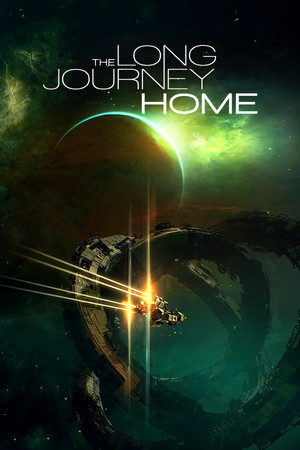
Compara los precios de The Long Journey Home en tiendas de claves de confianza y encuentra la mejor oferta. Desarrollado por Daedalic Studio West. Publicado por Daedalic Entertainment. Lanzado el 30/5/2017. Disponible en PC, Mac, Xbox. Géneros: Indie, RPG, Simulation, Strategy. Puntuación Metacritic: 68/100.

Stranded 37,000 parsecs from Earth with a crew, a leaking hull, and a lander that flies like a wet paper bag - this one earns every parsec of progress the hard way.

My spreadsheet instincts kicked in the moment I hit the crew selection screen. Ten candidates, four slots, three ship types, three lander options, and a universe seed that determines everything from alien species density to how hospitable the planets are. That pre-launch phase is genuinely strategic, and for about fifteen minutes I felt in complete control. Then the jump drive misfired and the game showed its true hand. The Long Journey Home sits at a genre crossroads that will feel familiar to fans of FTL and Out There, but it layers on a Newtonian physics model that demands you actually think about gravitational slingshots, orbital momentum, and fuel burn rates before committing to any course change. On paper, that is exactly the kind of decision density I want. In practice, the execution splits sharply into two very different experiences. The macro layer - galaxy map navigation, alien diplomacy, crew skill allocation (archaeology, technology, diplomacy all matter differently), resource trading via credits, and quest choices where you can help, ignore, betray, or attack any quest-giver - is legitimately interesting and occasionally brilliant. The alien factions like the Wolphax and the Ilitza have enough personality to make dialogue scenes feel like low-stakes political choices rather than flavour text. The micro layer is where things fracture. Three core gameplay modes cycle constantly: ship flight through solar systems, lander descent to planet surfaces for resource collection, and dialogue screens. The flight physics punish impatience brutally - overshoot a planet at speed and you burn precious fuel correcting course. The lander sections, which you cannot skip, are the most divisive element in the entire game. Gravity and atmospheric conditions combine with finicky controls to turn routine resource runs into exercises in barely controlled damage management. Hull damage, crew injuries, and toolkit consumption from each botched landing compound into a slow resource spiral that can feel more random than earned. The game did add a Story Mode post-launch that softens planetary conditions, raises resource sell prices, and reduces damage intake, making it the recommended entry point for anyone who is not already fluent in roguelike punishment loops. The procedurally generated universe seed system gives each run structural variety - different seeds produce radically different alien compositions and planet configurations, and some seeds are demonstrably friendlier than newcomers. That replayability is real, but it cuts both ways: an unlucky seed can create a resource-starved run that ends less because of a bad decision and more because RNG decided so. The community has catalogued known seeds with player-made guides precisely because the variance is that significant. There is no mod ecosystem to speak of, and the tutorial leans heavily on external video content rather than in-game instruction, which is a genuine onboarding miss for a game with this many interacting systems. For strategy and sim players willing to treat the first several runs as tuition rather than entertainment, there is a genuinely unusual space survival game buried here - one that captures the bleakness and mundane desperation of interstellar survival better than its cleaner competitors. For everyone else, the lander controls alone may end the relationship before the good stuff surfaces. Diego, Scout Team

The Long Journey Home

The Long Journey Home

30 may 2017Daedalic Studio WestDaedalic Entertainment
GamerScout opina

Stranded 37,000 parsecs from Earth with a crew, a leaking hull, and a lander that flies like a wet paper bag - this one earns every parsec of progress the hard way.

PCMacXbox
Steam Deck VerifiedProtonDB Platinum
Mejor precio disponible
€0.00
en N/A
Mínimo histórico: €0.51

Comparar precios(0 tiendas)

Cargando precios...

We may earn a commission when you buy games through links on this page — at no extra cost to you. It never affects our rankings or verdicts.

Historial de precios

Historical low
€0.5127 Jun 2026
Keyshops
€0.47€0.50€0.53€0.568 Jun13 Jun18 Jun23 Jun28 Jun
Tracking prices since 8 Jun 2026
Create alert

Capturas y multimedia

Acerca de The Long Journey Home

My spreadsheet instincts kicked in the moment I hit the crew selection screen. Ten candidates, four slots, three ship types, three lander options, and a universe seed that determines everything from alien species density to how hospitable the planets are. That pre-launch phase is genuinely strategic, and for about fifteen minutes I felt in complete control. Then the jump drive misfired and the game showed its true hand. The Long Journey Home sits at a genre crossroads that will feel familiar to fans of FTL and Out There, but it layers on a Newtonian physics model that demands you actually think about gravitational slingshots, orbital momentum, and fuel burn rates before committing to any course change. On paper, that is exactly the kind of decision density I want. In practice, the execution splits sharply into two very different experiences. The macro layer - galaxy map navigation, alien diplomacy, crew skill allocation (archaeology, technology, diplomacy all matter differently), resource trading via credits, and quest choices where you can help, ignore, betray, or attack any quest-giver - is legitimately interesting and occasionally brilliant. The alien factions like the Wolphax and the Ilitza have enough personality to make dialogue scenes feel like low-stakes political choices rather than flavour text. The micro layer is where things fracture. Three core gameplay modes cycle constantly: ship flight through solar systems, lander descent to planet surfaces for resource collection, and dialogue screens. The flight physics punish impatience brutally - overshoot a planet at speed and you burn precious fuel correcting course. The lander sections, which you cannot skip, are the most divisive element in the entire game. Gravity and atmospheric conditions combine with finicky controls to turn routine resource runs into exercises in barely controlled damage management. Hull damage, crew injuries, and toolkit consumption from each botched landing compound into a slow resource spiral that can feel more random than earned. The game did add a Story Mode post-launch that softens planetary conditions, raises resource sell prices, and reduces damage intake, making it the recommended entry point for anyone who is not already fluent in roguelike punishment loops. The procedurally generated universe seed system gives each run structural variety - different seeds produce radically different alien compositions and planet configurations, and some seeds are demonstrably friendlier than newcomers. That replayability is real, but it cuts both ways: an unlucky seed can create a resource-starved run that ends less because of a bad decision and more because RNG decided so. The community has catalogued known seeds with player-made guides precisely because the variance is that significant. There is no mod ecosystem to speak of, and the tutorial leans heavily on external video content rather than in-game instruction, which is a genuine onboarding miss for a game with this many interacting systems. For strategy and sim players willing to treat the first several runs as tuition rather than entertainment, there is a genuinely unusual space survival game buried here - one that captures the bleakness and mundane desperation of interstellar survival better than its cleaner competitors. For everyone else, the lander controls alone may end the relationship before the good stuff surfaces.

Diego
Diego · Scout Team

Strategy & simulation

Etiquetas

singleplayerachievementscontroller-supporttrading-cardscloud-savestier:indieNewtonian PhysicsCrew ManagementUniverse SeedAlien DiplomacyResource SpiralRoguelike Punishment LoopLander MinigameProcedural FactionsStory Mode Available

Requisitos del sistema

Mínimos

OS
Win 7, 8, 10, 64-bit
Memory
4 GB RAM
DirectX
Version 11
Storage
16 GB available space
Graphics
NVIDIA GeForce 650 Ti / AMD Radeon HD 7790
Processor
3 GHz Dual Core CPU
Sound Card
DirectX 11 compatible sound card with latest drivers

Recomendados

OS
Win 7, 8, 10, 64-bit
Memory
8 GB RAM
DirectX
Version 11
Storage
16 GB available space
Graphics
NVIDIA GeForce 970 / AMD Radeon R9 380
Processor
3GHz Quad Core CPU
Sound Card
DirectX 11 compatible sound card with latest drivers

Sigue explorando

Community Discussion

Be the first to comment on The Long Journey Home.

Reseñas y valoraciones

Metacritic
68

Información del juego

Desarrolladora
Daedalic Studio West
Distribuidora
Daedalic Entertainment
Fecha de lanzamiento
30 may 2017

Alerta de precio

¡Recibe un aviso cuando el precio baje de tu objetivo!

Crear alerta

Compra mejor: guías útiles

¿Buscas más? Mira juegos como The Long Journey Home →

Preguntas frecuentes sobre The Long Journey Home

¿Cuánto cuesta The Long Journey Home?

El precio de The Long Journey Home cambia a menudo y varía según la tienda, la edición y la región. La tabla de precios en vivo de esta página compara las ofertas más baratas en stock de tiendas de claves de confianza como Eneba y Kinguin, para que siempre veas el precio más bajo actual antes de comprar.

¿Dónde puedo comprar The Long Journey Home más barato?

Compara los precios de The Long Journey Home en todas las tiendas verificadas en la tabla de precios de esta página. Listamos las ofertas de claves y tiendas más baratas en stock, actualizadas con frecuencia, para que siempre veas la mejor oferta actual antes de comprar.

¿En qué plataformas está disponible The Long Journey Home?

The Long Journey Home está disponible en PC, Mac, Xbox.

¿Cuándo se lanzó The Long Journey Home?

The Long Journey Home se lanzó el 30 de mayo de 2017.

¿Quién desarrolló The Long Journey Home?

The Long Journey Home fue desarrollado por Daedalic Studio West y publicado por Daedalic Entertainment.

¿Merece la pena comprar The Long Journey Home?

The Long Journey Home tiene una puntuación Metacritic de 68/100, lo que lo convierte en uno de los títulos destacados de Indie. Mira las reseñas completas, las valoraciones y los tiempos de duración en esta página para decidir.