Compara los precios de The Deadly Path en tiendas de claves de confianza y encuentra la mejor oferta. Desarrollado por Owlskip Enterprises. Publicado por Fireshine Games. Lanzado el 25/3/2025. Disponible en PC. Géneros: Indie, Strategy.

Bone pits, upkeep timers, and gods who want your head on a spike: The Deadly Path is the kind of compact roguelike that will punish your first dozen runs before the strategy finally clicks into place.

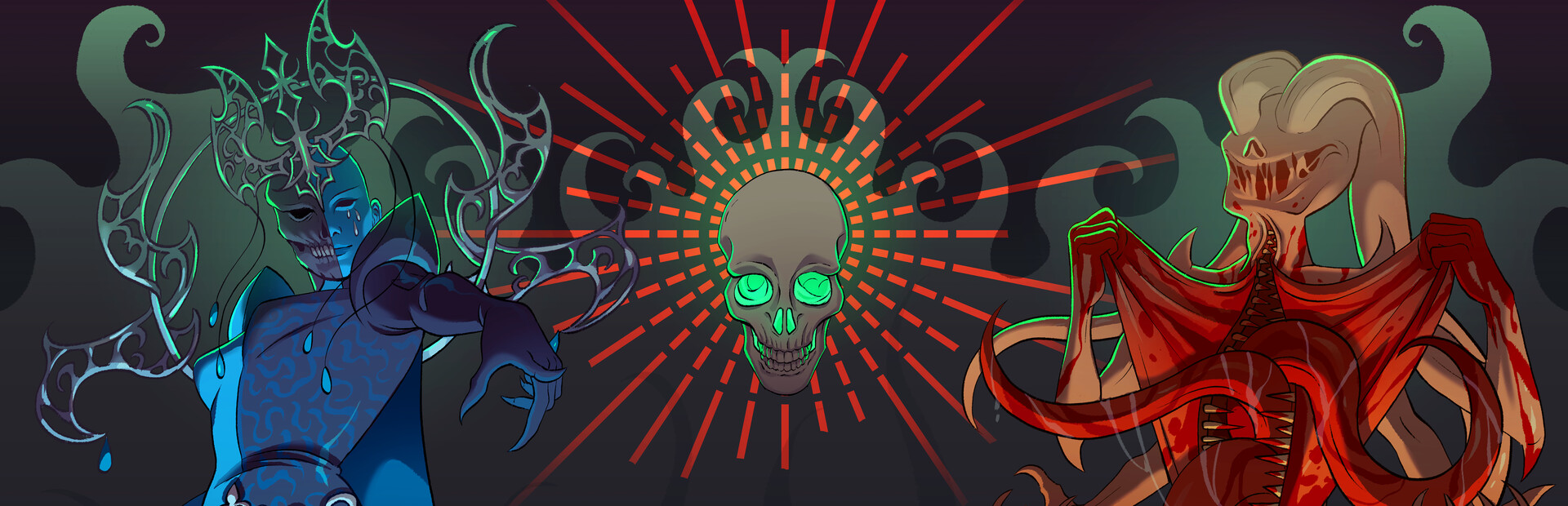
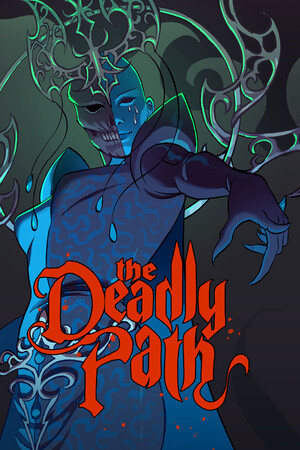
I respect a game that announces its difficulty without apology, and The Deadly Path does exactly that. Developer Tim Sheinman has openly described it as a game about "distracting you with shiny things and then punching you in the face" - and after watching the real-time upkeep clock chew through a carefully assembled bone stockpile in under ten seconds, I can confirm the pitch is accurate. This is a tile-expansion base-builder and roguelite hybrid sitting at the crossroads of Dungeon Keeper, Stacklands, and Against the Storm, and that combination is either going to land perfectly for you or leave you bewildered inside the first thirty minutes. The structure is clean once you map it out. You play as the Custodian, serving one of several Dread Deities from the Pantheon - each with its own victory conditions, quirks, and unlockable perks. Every run takes place on a grid of Entombed Tiles. You excavate outward from a central Throne Room, placing buildings like Flesh Pits, Scavenger Huts, Slaughterhouses, and Boneyards on compatible tiles, then drag skeleton servants into those structures to start generating the three core resources: meat, bone, and gold. The loop sounds simple, but the timing pressure turns it into a constant triage problem. Each run is divided into a fixed number of cycles, and at the end of every cycle your Deity bills you for upkeep in those same resources. Miss once and you get a warning. Miss twice and the run is over. Almost every build action also costs resources, so you are never just banking - you are always spending against a ticking obligation. Build an expensive fabricator two cycles too early and you hand the game a win. There are multiple failure states stacked on top of that resource pressure. Raiders - armed human attackers - arrive through excavated entrances and will dismantle your domain if your servant army is not ready to defend it. And if you simply run out of cycles before completing the Deity's win conditions, that is also a loss. The tension between hoarding to survive upkeep versus spending aggressively to hit completion goals is where the interesting decision-making lives. Players who like identifying the optimal build order for a given Deity and domain layout will find genuine depth here. Players who want to explore freely without consequence will be reset repeatedly and may not enjoy the lesson. The community reception is mixed, and the criticisms are worth taking seriously. At launch, a number of players flagged that the game failing to hold its pause state when interacting with buildings made the real-time pressure feel unfair rather than challenging. The tutorial also receives split feedback - some reviewers found it adequate, while others noted that the level design explains too little despite its length, leaving players to reverse-engineer mechanics from failed runs. The unlock structure starts narrow: a single Deity, Domain, and Custodian are available at the start, with the conditions to unlock more displayed clearly from the beginning, which at least gives you a visible goal even if early sessions feel repetitive before new options open up. The art style sits somewhere between Hades-adjacent cartoon grotesque and Lovecraftian illustrated novel, which is a genuine asset - this is one of the better-looking small-budget dark-fantasy releases of its release year. For the right player, this is a sharp, replayable strategy session that the developer himself frames as a forty-minute palate cleanser between longer games. That framing is honest. Individual runs do not overstay their welcome, and once you have internalised the upkeep rhythm and learned which buildings chain together efficiently under a given Deity, the wins start feeling genuinely earned. The Custodian and Charm systems add run-to-run variance, and advancing through Ages unlocks new tile types, minions, and possibilities that keep the mid-game from stagnating once you clear the learning curve. The launch-period technical issues and the slow unlock pacing are real friction points, but neither is a fundamental design failure. Approach this one with the expectation of losing, study why you lost, and the system will open up. Diego, Scout Team

The Deadly Path

The Deadly Path

25 mar 2025Owlskip EnterprisesFireshine Games
GamerScout opina

Bone pits, upkeep timers, and gods who want your head on a spike: The Deadly Path is the kind of compact roguelike that will punish your first dozen runs before the strategy finally clicks into place.

PC
Steam Deck Playable
Mejor precio disponible
€0.00
en N/A
Mínimo histórico: €3.25

Comparar precios(0 tiendas)

Cargando precios...

We may earn a commission when you buy games through links on this page — at no extra cost to you. It never affects our rankings or verdicts.

Historial de precios

Historical low
€3.2524 Jun 2026
Official storesKeyshops
€3.22€3.32€3.42€3.5210 Jun15 Jun19 Jun24 Jun28 Jun
Tracking prices since 10 Jun 2026
Create alert

Capturas y multimedia

Acerca de The Deadly Path

I respect a game that announces its difficulty without apology, and The Deadly Path does exactly that. Developer Tim Sheinman has openly described it as a game about "distracting you with shiny things and then punching you in the face" - and after watching the real-time upkeep clock chew through a carefully assembled bone stockpile in under ten seconds, I can confirm the pitch is accurate. This is a tile-expansion base-builder and roguelite hybrid sitting at the crossroads of Dungeon Keeper, Stacklands, and Against the Storm, and that combination is either going to land perfectly for you or leave you bewildered inside the first thirty minutes. The structure is clean once you map it out. You play as the Custodian, serving one of several Dread Deities from the Pantheon - each with its own victory conditions, quirks, and unlockable perks. Every run takes place on a grid of Entombed Tiles. You excavate outward from a central Throne Room, placing buildings like Flesh Pits, Scavenger Huts, Slaughterhouses, and Boneyards on compatible tiles, then drag skeleton servants into those structures to start generating the three core resources: meat, bone, and gold. The loop sounds simple, but the timing pressure turns it into a constant triage problem. Each run is divided into a fixed number of cycles, and at the end of every cycle your Deity bills you for upkeep in those same resources. Miss once and you get a warning. Miss twice and the run is over. Almost every build action also costs resources, so you are never just banking - you are always spending against a ticking obligation. Build an expensive fabricator two cycles too early and you hand the game a win. There are multiple failure states stacked on top of that resource pressure. Raiders - armed human attackers - arrive through excavated entrances and will dismantle your domain if your servant army is not ready to defend it. And if you simply run out of cycles before completing the Deity's win conditions, that is also a loss. The tension between hoarding to survive upkeep versus spending aggressively to hit completion goals is where the interesting decision-making lives. Players who like identifying the optimal build order for a given Deity and domain layout will find genuine depth here. Players who want to explore freely without consequence will be reset repeatedly and may not enjoy the lesson. The community reception is mixed, and the criticisms are worth taking seriously. At launch, a number of players flagged that the game failing to hold its pause state when interacting with buildings made the real-time pressure feel unfair rather than challenging. The tutorial also receives split feedback - some reviewers found it adequate, while others noted that the level design explains too little despite its length, leaving players to reverse-engineer mechanics from failed runs. The unlock structure starts narrow: a single Deity, Domain, and Custodian are available at the start, with the conditions to unlock more displayed clearly from the beginning, which at least gives you a visible goal even if early sessions feel repetitive before new options open up. The art style sits somewhere between Hades-adjacent cartoon grotesque and Lovecraftian illustrated novel, which is a genuine asset - this is one of the better-looking small-budget dark-fantasy releases of its release year. For the right player, this is a sharp, replayable strategy session that the developer himself frames as a forty-minute palate cleanser between longer games. That framing is honest. Individual runs do not overstay their welcome, and once you have internalised the upkeep rhythm and learned which buildings chain together efficiently under a given Deity, the wins start feeling genuinely earned. The Custodian and Charm systems add run-to-run variance, and advancing through Ages unlocks new tile types, minions, and possibilities that keep the mid-game from stagnating once you clear the learning curve. The launch-period technical issues and the slow unlock pacing are real friction points, but neither is a fundamental design failure. Approach this one with the expectation of losing, study why you lost, and the system will open up.

Diego
Diego · Scout Team

Strategy & simulation

Etiquetas

singleplayerachievementstier:sub-5Upkeep PressureTile ExcavationDeity SelectionReal-Time Pause IssuesCustodian BuildsCharm SystemServant MicromanagementAge Progression

Requisitos del sistema

Mínimos

OS
Windows 10 x64
Memory
4 GB RAM GB RAM
Storage
5 GB available space
Graphics
GeForce GTX 650 / Radeon HD 7750
Processor
Intel Core i3-6100 / AMD Athlon X4 860K

Recomendados

OS
Windows 10 x64
Memory
8 GB RAM
Storage
5 GB available space
Graphics
GeForce GT 1030 / Radeon RX 550
Processor
Intel Core i3-12100F / AMD Ryzen 5 1600

Sigue explorando

Community Discussion

Be the first to comment on The Deadly Path.

Reseñas y valoraciones

No hay valoraciones disponibles

Información del juego

Desarrolladora
Owlskip Enterprises
Distribuidora
Fireshine Games
Fecha de lanzamiento
25 mar 2025

Alerta de precio

¡Recibe un aviso cuando el precio baje de tu objetivo!

Crear alerta

Compra mejor: guías útiles

Preguntas frecuentes sobre The Deadly Path

¿Cuánto cuesta The Deadly Path?

El precio de The Deadly Path cambia a menudo y varía según la tienda, la edición y la región. La tabla de precios en vivo de esta página compara las ofertas más baratas en stock de tiendas de claves de confianza como Eneba y Kinguin, para que siempre veas el precio más bajo actual antes de comprar.

¿Dónde puedo comprar The Deadly Path más barato?

Compara los precios de The Deadly Path en todas las tiendas verificadas en la tabla de precios de esta página. Listamos las ofertas de claves y tiendas más baratas en stock, actualizadas con frecuencia, para que siempre veas la mejor oferta actual antes de comprar.

¿En qué plataformas está disponible The Deadly Path?

The Deadly Path está disponible en PC.

¿Cuándo se lanzó The Deadly Path?

The Deadly Path se lanzó el 25 de marzo de 2025.

¿Quién desarrolló The Deadly Path?

The Deadly Path fue desarrollado por Owlskip Enterprises y publicado por Fireshine Games.