Compara los precios de The Cub en tiendas de claves de confianza y encuentra la mejor oferta. Desarrollado por Demagog Studio. Publicado por Untold Tales. Lanzado el 19/1/2024. Disponible en PC. Géneros: Adventure, Casual, Indie. Puntuación Metacritic: 69/100.

Radio Nostalgia from Mars is worth the admission alone - but the feral kid running beneath it earns its keep too, mostly.

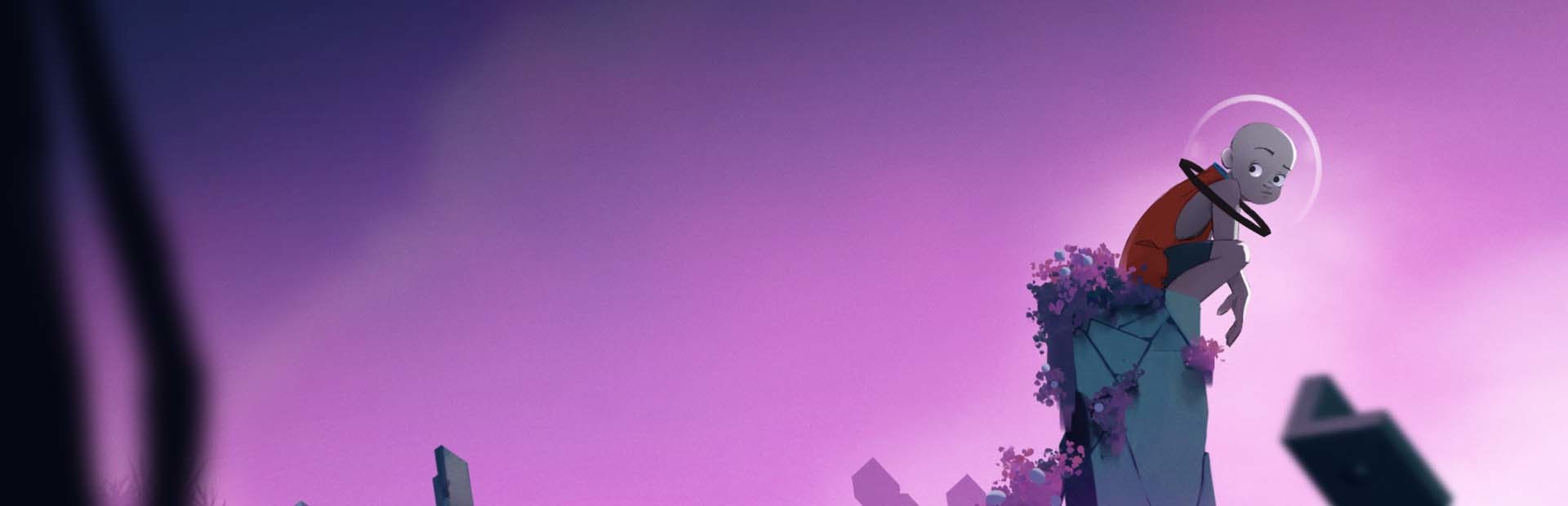
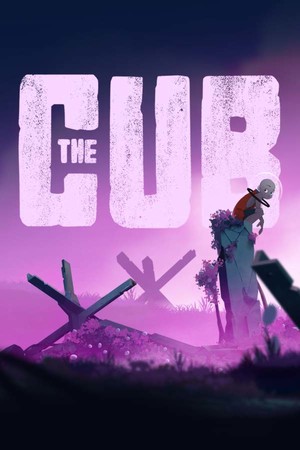
I put about three hours into The Cub on a quiet weekday evening and the credits rolled before I'd even thought to check the time. That's not a complaint. Demagog Studio has been quietly building one of the most quietly specific fictional worlds in indie games - a neon-saturated post-ecological-catastrophe Earth where the ultra-rich fled to Mars and left everyone else to figure it out - and The Cub plants you right in the mud of it as a feral child who has adapted to the hostile planet, wolf-raised and completely unbothered by the ruin around him. The moment that got me was early on, when the kid pries a space helmet off a mummified Martian and suddenly Radio Nostalgia from Mars crackles through. The radio is the heart of this game. A soft-voiced DJ, end-of-days chill tracks that shift from jazz to punk to something that sounds like melancholy ambient, and guest Martians who tell stories thick with the guilt they can never quite name. That audio layer alone lifts The Cub above the genre crowd it is technically sitting in. Structurally this is a side-scrolling platformer in the LIMBO and INSIDE lineage - you jump, slide, swing on vines, ride mine carts, cling to stampeding buffalo, hide from hunters in stealth sections, and occasionally get into a genuinely surprising bullet-hell phase mid-game. Each biome has its own hazard vocabulary: jungle sections thread you between giant snakes and crumbling vine-suspended rubble, factory interiors become disintegrating mine track chases, and urban ruin levels fold in chase sequences where each Martian pursuer uses a different capture method, which gives the cat-and-mouse rhythm some welcome texture. Here is where I have to be honest with you. The controls are inconsistent in ways that go beyond forgivable. Movement can shift from fluid to sluggish within a single jump arc, and some precision sections demand near-perfect timing from a character whose momentum does not always agree with your inputs. A handful of chase sequences that start as genuinely thrilling become trial-and-error memory drills with no signposting. The collectibles - burps, videos, data pods, books - are scattered liberally but mostly placed right in your path, which removes any sense of discovery. And the ending, sweet as it is, feels rushed against the emotional weight of everything that came before it. For players coming in without prior time in Golf Club: Nostalgia, some of the lore resonance will land softer too - the continuity is there, but the context for why certain callbacks hit is leaner without the earlier game behind you. None of that undoes what works. The art direction is the kind of thing I stop to look at even when something is actively trying to eat me: vivid greens and acid oranges colonising brutalist tower blocks, hand-drawn animations that carry real personality, a world that has been reclaimed by nature in ways that feel genuinely designed rather than procedurally filled. The chapter-break cutscenes - rendered like a child's crayon drawings - are a small masterstroke of tonal contrast. The whole game knows it is telling a story about ecological grief through the eyes of someone who has zero grief about it, and that duality carries the experience even when the platforming gets sloppy. At three to five hours depending on your death count and how long you linger on collectibles, The Cub knows when to end. That is a rarer skill than it sounds. If you have played Golf Club: Nostalgia, this is the expansion of that world you probably wanted. If you have not, start there first - then come here. Either way, the radio will be waiting. Kai, Scout Team

The Cub

The Cub

19 ene 2024Demagog StudioUntold Tales
GamerScout opina

Radio Nostalgia from Mars is worth the admission alone - but the feral kid running beneath it earns its keep too, mostly.

PC
Steam Deck VerifiedProtonDB Platinum
Mejor precio disponible
€0.00
en N/A
Mínimo histórico: €0.67

Comparar precios(0 tiendas)

Cargando precios...

We may earn a commission when you buy games through links on this page — at no extra cost to you. It never affects our rankings or verdicts.

Historial de precios

Historical low
€0.6715 Jun 2026
Keyshops
€0.64€0.73€0.83€0.926 Jun12 Jun17 Jun23 Jun28 Jun
Tracking prices since 6 Jun 2026
Create alert

Capturas y multimedia

Acerca de The Cub

I put about three hours into The Cub on a quiet weekday evening and the credits rolled before I'd even thought to check the time. That's not a complaint. Demagog Studio has been quietly building one of the most quietly specific fictional worlds in indie games - a neon-saturated post-ecological-catastrophe Earth where the ultra-rich fled to Mars and left everyone else to figure it out - and The Cub plants you right in the mud of it as a feral child who has adapted to the hostile planet, wolf-raised and completely unbothered by the ruin around him. The moment that got me was early on, when the kid pries a space helmet off a mummified Martian and suddenly Radio Nostalgia from Mars crackles through. The radio is the heart of this game. A soft-voiced DJ, end-of-days chill tracks that shift from jazz to punk to something that sounds like melancholy ambient, and guest Martians who tell stories thick with the guilt they can never quite name. That audio layer alone lifts The Cub above the genre crowd it is technically sitting in. Structurally this is a side-scrolling platformer in the LIMBO and INSIDE lineage - you jump, slide, swing on vines, ride mine carts, cling to stampeding buffalo, hide from hunters in stealth sections, and occasionally get into a genuinely surprising bullet-hell phase mid-game. Each biome has its own hazard vocabulary: jungle sections thread you between giant snakes and crumbling vine-suspended rubble, factory interiors become disintegrating mine track chases, and urban ruin levels fold in chase sequences where each Martian pursuer uses a different capture method, which gives the cat-and-mouse rhythm some welcome texture. Here is where I have to be honest with you. The controls are inconsistent in ways that go beyond forgivable. Movement can shift from fluid to sluggish within a single jump arc, and some precision sections demand near-perfect timing from a character whose momentum does not always agree with your inputs. A handful of chase sequences that start as genuinely thrilling become trial-and-error memory drills with no signposting. The collectibles - burps, videos, data pods, books - are scattered liberally but mostly placed right in your path, which removes any sense of discovery. And the ending, sweet as it is, feels rushed against the emotional weight of everything that came before it. For players coming in without prior time in Golf Club: Nostalgia, some of the lore resonance will land softer too - the continuity is there, but the context for why certain callbacks hit is leaner without the earlier game behind you. None of that undoes what works. The art direction is the kind of thing I stop to look at even when something is actively trying to eat me: vivid greens and acid oranges colonising brutalist tower blocks, hand-drawn animations that carry real personality, a world that has been reclaimed by nature in ways that feel genuinely designed rather than procedurally filled. The chapter-break cutscenes - rendered like a child's crayon drawings - are a small masterstroke of tonal contrast. The whole game knows it is telling a story about ecological grief through the eyes of someone who has zero grief about it, and that duality carries the experience even when the platforming gets sloppy. At three to five hours depending on your death count and how long you linger on collectibles, The Cub knows when to end. That is a rarer skill than it sounds. If you have played Golf Club: Nostalgia, this is the expansion of that world you probably wanted. If you have not, start there first - then come here. Either way, the radio will be waiting.

Kai
Kai · Scout Team

Indie & narrative

Etiquetas

singleplayerachievementscontroller-supporttier:sub-5Cinematic PlatformerEnvironmental StorytellingRadio NarrativePrecision Chase SequencesGolf Club Nostalgia UniverseStealth SectionsClimate SatireShort-and-CompleteMine Cart LevelFeral Protagonist

Requisitos del sistema

Mínimos

OS
Windows 10
Memory
4 GB RAM
Storage
11 GB available space
Graphics
NVIDIA GeForce GT 750M, 2 GB Memory
Processor
2.6 GHz Intel Quad Core

Recomendados

OS
Windows 10
Memory
8 GB RAM
Storage
12 GB available space
Graphics
GTX 1060
Processor
Intel Core i7

Sigue explorando

Community Discussion

Be the first to comment on The Cub.

Reseñas y valoraciones

Metacritic
69

Información del juego

Desarrolladora
Demagog Studio
Distribuidora
Untold Tales
Fecha de lanzamiento
19 ene 2024

Alerta de precio

¡Recibe un aviso cuando el precio baje de tu objetivo!

Crear alerta

Más de Demagog Studio

Compra mejor: guías útiles

¿Buscas más? Mira juegos como The Cub →

Preguntas frecuentes sobre The Cub

¿Cuánto cuesta The Cub?

El precio de The Cub cambia a menudo y varía según la tienda, la edición y la región. La tabla de precios en vivo de esta página compara las ofertas más baratas en stock de tiendas de claves de confianza como Eneba y Kinguin, para que siempre veas el precio más bajo actual antes de comprar.

¿Dónde puedo comprar The Cub más barato?

Compara los precios de The Cub en todas las tiendas verificadas en la tabla de precios de esta página. Listamos las ofertas de claves y tiendas más baratas en stock, actualizadas con frecuencia, para que siempre veas la mejor oferta actual antes de comprar.

¿En qué plataformas está disponible The Cub?

The Cub está disponible en PC.

¿Cuándo se lanzó The Cub?

The Cub se lanzó el 19 de enero de 2024.

¿Quién desarrolló The Cub?

The Cub fue desarrollado por Demagog Studio y publicado por Untold Tales.

¿Merece la pena comprar The Cub?

The Cub tiene una puntuación Metacritic de 69/100, lo que lo convierte en uno de los títulos destacados de Adventure. Mira las reseñas completas, las valoraciones y los tiempos de duración en esta página para decidir.