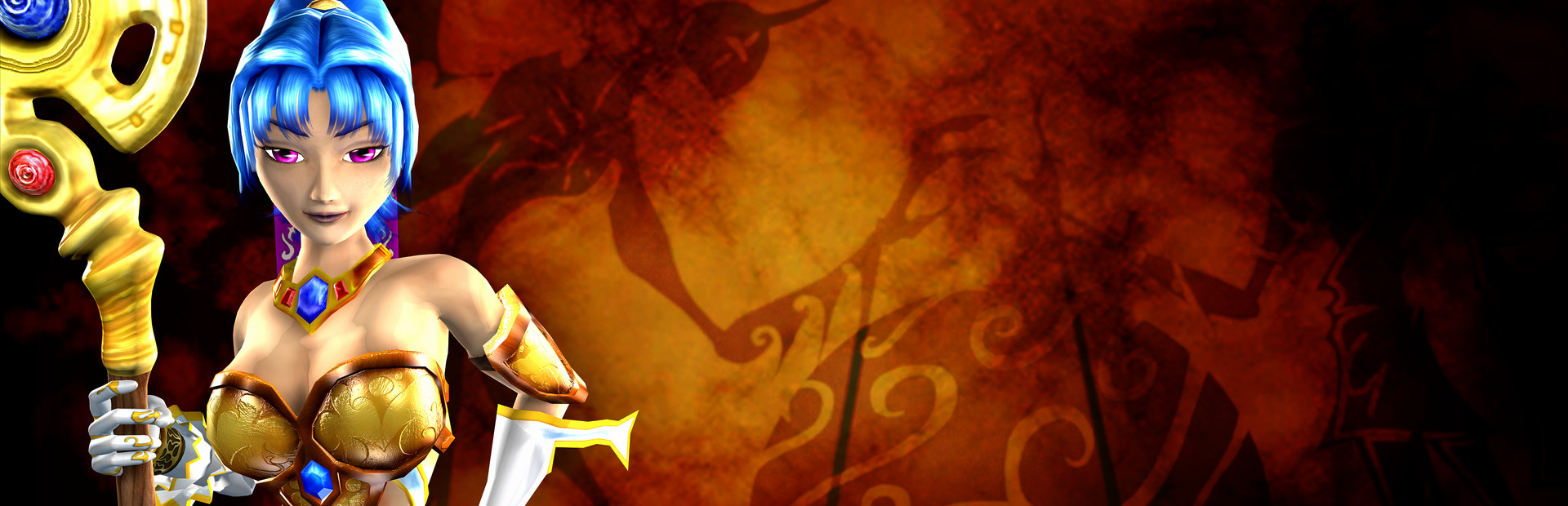
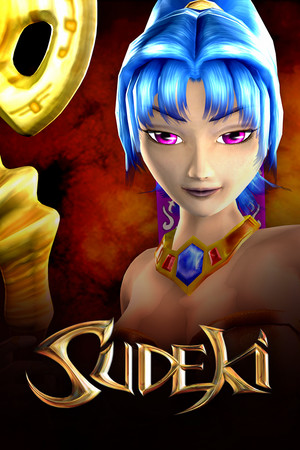
Compara los precios de Sudeki en tiendas de claves de confianza y encuentra la mejor oferta. Desarrollado por Climax Studios. Publicado por Climax Group. Lanzado el 24/2/2014. Disponible en PC. Géneros: Action, Adventure, RPG.

A forgotten early-2000s action RPG that gets more right than its reputation suggests, mostly because of one genuinely clever combat hook nobody talks about anymore.

I went in expecting something mid and walked out genuinely annoyed that nobody talks about Sudeki's combat system more. This is a 2004 Xbox-era action RPG that landed on PC and later Steam, built by Climax Studios as their first crack at the genre. The pitch sounds familiar enough: four heroes, a world split between light and shadow, an ancient dark god on his way back. The story is exactly as generic as that sounds. Critics at the time called the narrative clichéd, and replaying it now confirms the verdict. The light-versus-dark conflict has zero surprises, plot threads that seem promising, like Tal's fraught relationship with his father and the circumstances around his brother's death, get quietly dropped before they pay off. If you need a rich, branching narrative to justify your time investment, Sudeki will frustrate you within the first few hours. Where it earns its place is the combat, and I mean that sincerely rather than as a consolation prize. The four-character party splits cleanly into two playstyles: Tal and Buki are melee fighters using timed combo strings in third-person, while Ailish and Elco are ranged characters who shift into a first-person shooting perspective during battles. Switching between all four on the fly means you are constantly reorienting how you engage with the same encounter, which keeps things from going completely stale. Special abilities called Skill Strikes and Spirit Strikes are gated behind SP points, and the mega-attacks require enough buildup that you cannot spam them irresponsibly. The design DNA reportedly drew from Devil May Cry and Dynasty Warriors alongside Secret of Mana and Star Ocean, and that hybrid fingerprint is genuinely visible. At its best, combat feels dynamic in ways that were unusual for the genre in 2004. At its worst, the melee combo strings start looping after a few hours, the AI controlling your inactive party members makes wasteful decisions with healing items, and enemy variety wears thin before the credits roll. Outside of battles, the game follows a town-dungeon-town structure that feels exactly as linear as it is. Side quests mostly boil down to fetch tasks with minimal context and even less reward. The world has a pleasant brightness to it, and each area carries its own visual identity, but the exploration rarely rewards curiosity the way a good RPG should. Each character does have a unique traversal ability that factors into puzzle sections: Tal moves heavy objects, Buki climbs structures, Ailish reveals magically hidden items, and Elco uses a jetpack to reach elevated areas. These touches add light variety, though they never cohere into anything that could honestly be called a puzzle challenge. Voice acting is, charitably, an experience. The accent work is all over the place, the performances range from wooden to unintentionally theatrical, and yet, somehow, a portion of the player base finds this charming rather than damning. Tom Baker narrates and voices an NPC named Tetsu, which is either the best or strangest casting decision depending on your affection for classic Doctor Who. The Steam release carries a Very Positive rating from players, which tells you this is largely a nostalgia-driven audience who grew up with it on Xbox and are happy to find it running cleanly on modern hardware. As a pure cold pickup for someone who missed it in 2004, the calculus is trickier. The runtime sits under 20 hours even with side content, build customisation across armour, weapons, and spells gives you something to tinker with, but the lack of meaningful build variety past the midgame is noticeable. It is not the kind of RPG that rewards a second playthrough through mechanical depth or branching choices. What it offers is a compact, visually warm, oddly charming weekend diversion with a combat system that still has a distinct flavour even against modern competition. Monika, Scout Team

Sudeki

Sudeki

24 feb 2014Climax StudiosClimax Group
GamerScout opina

A forgotten early-2000s action RPG that gets more right than its reputation suggests, mostly because of one genuinely clever combat hook nobody talks about anymore.

PC
Steam Deck PlayableProtonDB Platinum
Mejor precio disponible
€0.00
en N/A
Mínimo histórico: €5.99

Comparar precios(0 tiendas)

Cargando precios...

We may earn a commission when you buy games through links on this page — at no extra cost to you. It never affects our rankings or verdicts.

Historial de precios

Historical low
€5.9923 Jun 2026
Official storesKeyshops
€5.83€6.37€6.91€7.455 Jun11 Jun17 Jun22 Jun28 Jun
Tracking prices since 5 Jun 2026
Create alert

Capturas y multimedia

Acerca de Sudeki

I went in expecting something mid and walked out genuinely annoyed that nobody talks about Sudeki's combat system more. This is a 2004 Xbox-era action RPG that landed on PC and later Steam, built by Climax Studios as their first crack at the genre. The pitch sounds familiar enough: four heroes, a world split between light and shadow, an ancient dark god on his way back. The story is exactly as generic as that sounds. Critics at the time called the narrative clichéd, and replaying it now confirms the verdict. The light-versus-dark conflict has zero surprises, plot threads that seem promising, like Tal's fraught relationship with his father and the circumstances around his brother's death, get quietly dropped before they pay off. If you need a rich, branching narrative to justify your time investment, Sudeki will frustrate you within the first few hours. Where it earns its place is the combat, and I mean that sincerely rather than as a consolation prize. The four-character party splits cleanly into two playstyles: Tal and Buki are melee fighters using timed combo strings in third-person, while Ailish and Elco are ranged characters who shift into a first-person shooting perspective during battles. Switching between all four on the fly means you are constantly reorienting how you engage with the same encounter, which keeps things from going completely stale. Special abilities called Skill Strikes and Spirit Strikes are gated behind SP points, and the mega-attacks require enough buildup that you cannot spam them irresponsibly. The design DNA reportedly drew from Devil May Cry and Dynasty Warriors alongside Secret of Mana and Star Ocean, and that hybrid fingerprint is genuinely visible. At its best, combat feels dynamic in ways that were unusual for the genre in 2004. At its worst, the melee combo strings start looping after a few hours, the AI controlling your inactive party members makes wasteful decisions with healing items, and enemy variety wears thin before the credits roll. Outside of battles, the game follows a town-dungeon-town structure that feels exactly as linear as it is. Side quests mostly boil down to fetch tasks with minimal context and even less reward. The world has a pleasant brightness to it, and each area carries its own visual identity, but the exploration rarely rewards curiosity the way a good RPG should. Each character does have a unique traversal ability that factors into puzzle sections: Tal moves heavy objects, Buki climbs structures, Ailish reveals magically hidden items, and Elco uses a jetpack to reach elevated areas. These touches add light variety, though they never cohere into anything that could honestly be called a puzzle challenge. Voice acting is, charitably, an experience. The accent work is all over the place, the performances range from wooden to unintentionally theatrical, and yet, somehow, a portion of the player base finds this charming rather than damning. Tom Baker narrates and voices an NPC named Tetsu, which is either the best or strangest casting decision depending on your affection for classic Doctor Who. The Steam release carries a Very Positive rating from players, which tells you this is largely a nostalgia-driven audience who grew up with it on Xbox and are happy to find it running cleanly on modern hardware. As a pure cold pickup for someone who missed it in 2004, the calculus is trickier. The runtime sits under 20 hours even with side content, build customisation across armour, weapons, and spells gives you something to tinker with, but the lack of meaningful build variety past the midgame is noticeable. It is not the kind of RPG that rewards a second playthrough through mechanical depth or branching choices. What it offers is a compact, visually warm, oddly charming weekend diversion with a combat system that still has a distinct flavour even against modern competition.

Monika
Monika · Scout Team

RPGs

Etiquetas

singleplayertrading-cardscloud-savestier:indieFour-Character SwitchingFirst-Person CombatSpirit StrikesTimed CombosTraversal AbilitiesParty AI ManagementWeekend-Length RPGLight-Dark Mythology

Requisitos del sistema

Mínimos

OS
Windows XP
Memory
512 MB RAM
Storage
5.6 GB available space
Graphics
128MB Pixel Shader 2.0 capable graphics card or better
Processor
1.8GHz
Sound Card
DirectX Compatible

Sigue explorando

Community Discussion

Be the first to comment on Sudeki.

Reseñas y valoraciones

No hay valoraciones disponibles

Información del juego

Desarrolladora
Climax Studios
Distribuidora
Climax Group
Fecha de lanzamiento
24 feb 2014

Alerta de precio

¡Recibe un aviso cuando el precio baje de tu objetivo!

Crear alerta

Más de Climax Studios

Compra mejor: guías útiles

¿Buscas más? Mira juegos como Sudeki →

Preguntas frecuentes sobre Sudeki

¿Cuánto cuesta Sudeki?

El precio de Sudeki cambia a menudo y varía según la tienda, la edición y la región. La tabla de precios en vivo de esta página compara las ofertas más baratas en stock de tiendas de claves de confianza como Eneba y Kinguin, para que siempre veas el precio más bajo actual antes de comprar.

¿Dónde puedo comprar Sudeki más barato?

Compara los precios de Sudeki en todas las tiendas verificadas en la tabla de precios de esta página. Listamos las ofertas de claves y tiendas más baratas en stock, actualizadas con frecuencia, para que siempre veas la mejor oferta actual antes de comprar.

¿En qué plataformas está disponible Sudeki?

Sudeki está disponible en PC.

¿Cuándo se lanzó Sudeki?

Sudeki se lanzó el 24 de febrero de 2014.

¿Quién desarrolló Sudeki?

Sudeki fue desarrollado por Climax Studios y publicado por Climax Group.