Compara los precios de SANABI en tiendas de claves de confianza y encuentra la mejor oferta. Desarrollado por WONDER POTION. Publicado por NEOWIZ. Lanzado el 8/11/2023. Disponible en PC. Géneros: Action, Adventure, Indie.

Grapple through a neon-soaked Korean cyberpunk city where the real hook isn't the chain-arm, it's a story that quietly breaks your heart by the final act.

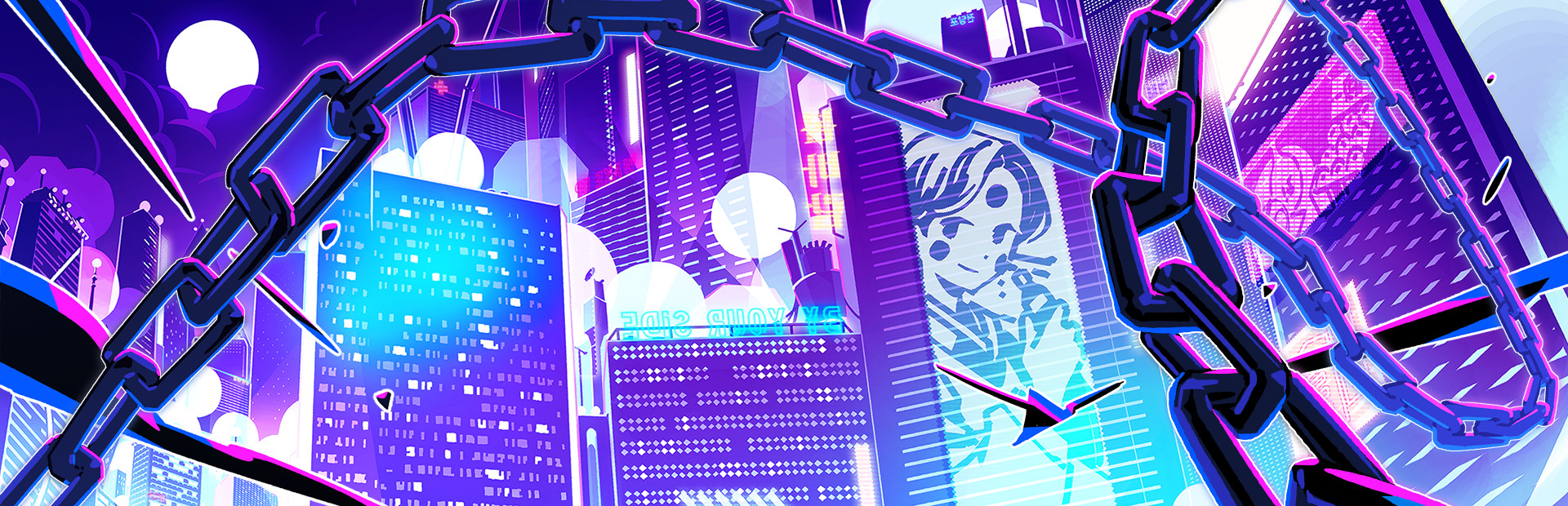
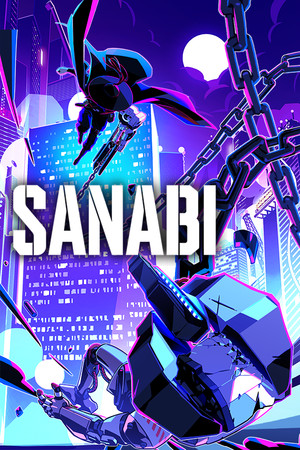
I went into SANABI expecting a kinetic grappling toy with a thin revenge plot wrapped around it. What I got was something that sat with me for days after the credits rolled, which is rare enough for any game and genuinely surprising for one this compact. WONDER POTION is a small South Korean studio, and this is unmistakably a small-team game, but the craft on display is the kind that makes you forget you ever worried about the budget. The mechanical core is a chain-hook prosthetic arm, and it is the single input that does everything: traversal, combat, and momentum management all collapse into one satisfying verb. Aim with the left stick, fire with the trigger, swing, boost, redirect, repeat. Early stages ease you in gently, but the game steadily adds wrinkles, shielded cybernetic samurai who only open up during specific attack windows, drone enemies, electrified floors that punish sloppy arcs, and movable cover platforms that need to be kicked into enemies by chaining a late-game dash off your own swing. The levels of Mago City are surprisingly vertical, and learning to treat every enemy as a momentum node rather than an obstacle to stand still and fight is when the whole thing clicks into something that feels genuinely expressive. A brief time-slow assist for precision targeting keeps the difficulty accessible rather than punishing, and a four-hit health block system means you feel consequences without constant instant deaths. The honest caveat is pacing, and it is a real one. SANABI is deeply committed to its story, which means you will spend extended stretches in dialogue-heavy cutscenes between action runs. Some reviewers found this rhythm genuinely disruptive, and they are not wrong that the swing between sprinting across rooftops and then walking slowly through a conversation can feel jarring. But here is my defense: the story earns it. The relationship between the gruff veteran general and Mari, a young hacker prodigy who becomes his reluctant partner, starts as functional banter and quietly grows into something with real emotional weight. Around the 75 percent mark, the narrative reveals itself to have been foreshadowing something the whole time, and the payoff hit harder than almost anything I encountered in that year's indie releases. If you skip the cutscenes, you are removing the reason the action scenes feel like they matter. Visually, this is handcrafted pixel work that earns its comparisons to the better end of the 2D renaissance. Character sprites are deliberately simple and readable against dense, detailed dystopian backdrops, which is a smart contrast choice that keeps you oriented during fast swings while still giving the world architectural presence. Boss encounters scale up dramatically, pitting your small, nimble figure against machines many times your size, and the sense of scale is handled with genuine confidence for a game this size. The electronic soundtrack is thumping and precise, building into harder grooves during combat without ever drowning out the quiet moments of the story. Play it with headphones. It matters. The free prequel DLC, The Revenant, adds a shorter standalone chapter that rewards players who finished the main game and want to understand more of the world's history. It is a generous addition that shows WONDER POTION thinking about players rather than just units. One legitimate frustration some players have flagged is slow respawn loading screens on death, which can interrupt flow in trickier sections. Worth knowing before you sit down with it. Kai, Scout Team

SANABI

SANABI

8 nov 2023WONDER POTIONNEOWIZ
GamerScout opina

Grapple through a neon-soaked Korean cyberpunk city where the real hook isn't the chain-arm, it's a story that quietly breaks your heart by the final act.

PC
Steam Deck PlayableProtonDB Platinum
Mejor precio disponible
€0.00
en N/A
Mínimo histórico: €4.34

Comparar precios(0 tiendas)

Cargando precios...

We may earn a commission when you buy games through links on this page — at no extra cost to you. It never affects our rankings or verdicts.

Historial de precios

Historical low
€4.3426 Jun 2026
Keyshops
€4.05€4.29€4.52€4.766 Jun12 Jun17 Jun23 Jun28 Jun
Tracking prices since 6 Jun 2026
Create alert

Capturas y multimedia

Acerca de SANABI

I went into SANABI expecting a kinetic grappling toy with a thin revenge plot wrapped around it. What I got was something that sat with me for days after the credits rolled, which is rare enough for any game and genuinely surprising for one this compact. WONDER POTION is a small South Korean studio, and this is unmistakably a small-team game, but the craft on display is the kind that makes you forget you ever worried about the budget. The mechanical core is a chain-hook prosthetic arm, and it is the single input that does everything: traversal, combat, and momentum management all collapse into one satisfying verb. Aim with the left stick, fire with the trigger, swing, boost, redirect, repeat. Early stages ease you in gently, but the game steadily adds wrinkles, shielded cybernetic samurai who only open up during specific attack windows, drone enemies, electrified floors that punish sloppy arcs, and movable cover platforms that need to be kicked into enemies by chaining a late-game dash off your own swing. The levels of Mago City are surprisingly vertical, and learning to treat every enemy as a momentum node rather than an obstacle to stand still and fight is when the whole thing clicks into something that feels genuinely expressive. A brief time-slow assist for precision targeting keeps the difficulty accessible rather than punishing, and a four-hit health block system means you feel consequences without constant instant deaths. The honest caveat is pacing, and it is a real one. SANABI is deeply committed to its story, which means you will spend extended stretches in dialogue-heavy cutscenes between action runs. Some reviewers found this rhythm genuinely disruptive, and they are not wrong that the swing between sprinting across rooftops and then walking slowly through a conversation can feel jarring. But here is my defense: the story earns it. The relationship between the gruff veteran general and Mari, a young hacker prodigy who becomes his reluctant partner, starts as functional banter and quietly grows into something with real emotional weight. Around the 75 percent mark, the narrative reveals itself to have been foreshadowing something the whole time, and the payoff hit harder than almost anything I encountered in that year's indie releases. If you skip the cutscenes, you are removing the reason the action scenes feel like they matter. Visually, this is handcrafted pixel work that earns its comparisons to the better end of the 2D renaissance. Character sprites are deliberately simple and readable against dense, detailed dystopian backdrops, which is a smart contrast choice that keeps you oriented during fast swings while still giving the world architectural presence. Boss encounters scale up dramatically, pitting your small, nimble figure against machines many times your size, and the sense of scale is handled with genuine confidence for a game this size. The electronic soundtrack is thumping and precise, building into harder grooves during combat without ever drowning out the quiet moments of the story. Play it with headphones. It matters. The free prequel DLC, The Revenant, adds a shorter standalone chapter that rewards players who finished the main game and want to understand more of the world's history. It is a generous addition that shows WONDER POTION thinking about players rather than just units. One legitimate frustration some players have flagged is slow respawn loading screens on death, which can interrupt flow in trickier sections. Worth knowing before you sit down with it.

Kai
Kai · Scout Team

Indie & narrative

Etiquetas

singleplayercloud-savestier:sub-5Chain-Hook TraversalNarrative-HeavyCyberpunk KoreaSpeedrun SupportFree DLC IncludedFather-Daughter StoryMomentum PlatformingBoss Scale Set-Pieces

Requisitos del sistema

Mínimos

OS
Windows 7+
Memory
4 GB RAM
DirectX
Version 11
Storage
1 GB available space
Graphics
Nvidia 450 GTS / Radeon HD 5750
Processor
Dual core from Intel or AMD at 2.8 GHz

Recomendados

OS
Windows 10
Memory
8 GB RAM
DirectX
Version 12
Storage
2 GB available space
Graphics
Nvidia GTX 460 / Radeon HD 7800
Processor
Dual core from Intel or AMD at 2.8 GHz

Sigue explorando

Community Discussion

Be the first to comment on SANABI.

Reseñas y valoraciones

No hay valoraciones disponibles

Información del juego

Desarrolladora
WONDER POTION
Distribuidora
NEOWIZ
Fecha de lanzamiento
8 nov 2023

Alerta de precio

¡Recibe un aviso cuando el precio baje de tu objetivo!

Crear alerta

Compra mejor: guías útiles

¿Buscas más? Mira juegos como SANABI →

Preguntas frecuentes sobre SANABI

¿Cuánto cuesta SANABI?

El precio de SANABI cambia a menudo y varía según la tienda, la edición y la región. La tabla de precios en vivo de esta página compara las ofertas más baratas en stock de tiendas de claves de confianza como Eneba y Kinguin, para que siempre veas el precio más bajo actual antes de comprar.

¿Dónde puedo comprar SANABI más barato?

Compara los precios de SANABI en todas las tiendas verificadas en la tabla de precios de esta página. Listamos las ofertas de claves y tiendas más baratas en stock, actualizadas con frecuencia, para que siempre veas la mejor oferta actual antes de comprar.

¿En qué plataformas está disponible SANABI?

SANABI está disponible en PC.

¿Cuándo se lanzó SANABI?

SANABI se lanzó el 8 de noviembre de 2023.

¿Quién desarrolló SANABI?

SANABI fue desarrollado por WONDER POTION y publicado por NEOWIZ.