Compara los precios de Roots of Yggdrasil en tiendas de claves de confianza y encuentra la mejor oferta. Desarrollado por ManaVoid Entertainment. Publicado por ManaVoid Entertainment. Lanzado el 6/9/2024. Disponible en PC. Géneros: Indie, Strategy.

Three genres walk into a Norse myth: deck-builder, city-builder, and roguelike. ManaVoid somehow made them shake hands, and the result earns an 86% positive rating from Steam players.

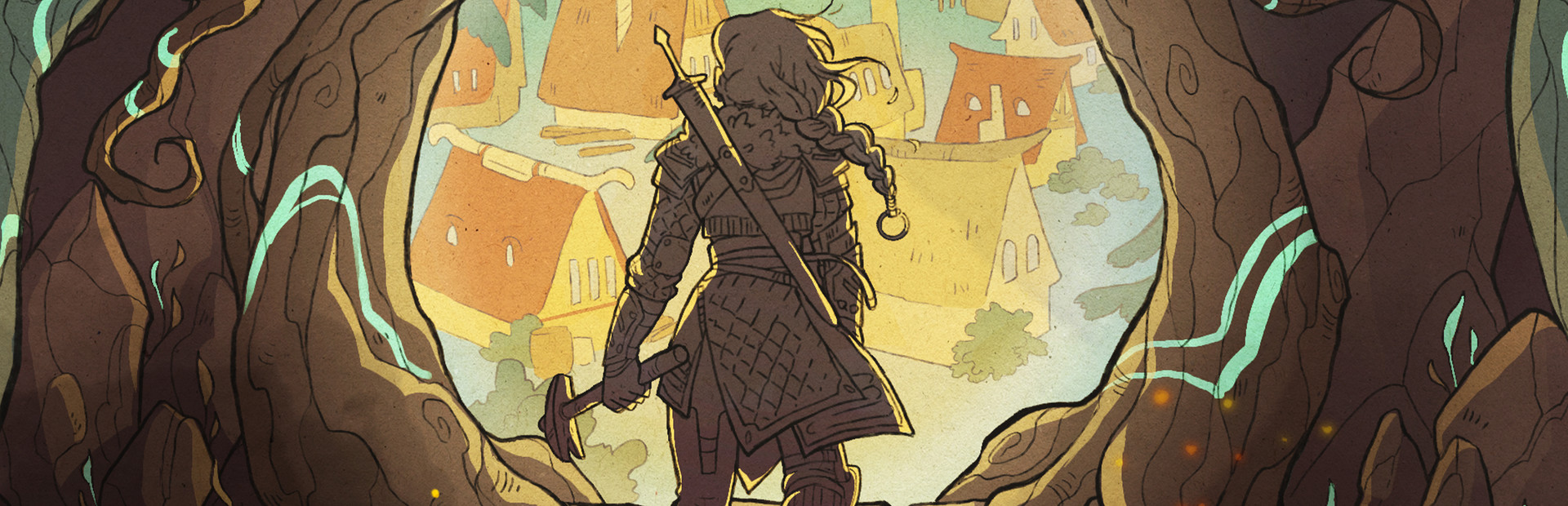
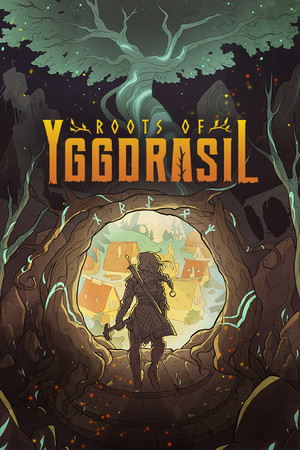
My first instinct when a game blends three oversaturated indie genres is to brace for a design disaster. Roguelike, city-builder, deck-builder - pick any two and you already have a crowded shelf of competitors. Pick all three and set the whole thing post-Ragnarok on procedurally generated floating islands, and you either produce a chaotic mess or something genuinely interesting. Roots of Yggdrasil lands firmly in the latter camp, and the Steam community has noticed, with reviews sitting in "Very Positive" territory. The core loop is tighter than it sounds. Each run has you sailing your longship, the Holt, between shattered island fragments of the Nine Realms, playing building cards from your hand to erect settlements: houses, barracks, water wells, workshops, markets, and more. Buildings are not placed on a rigid grid - the system is fully gridless, with 360-degree rotation, so spatial optimization becomes its own satisfying puzzle on top of the deck management. The critical constraint is the Ginnungagap, a creeping dark void that eats your settlement if you run out of turns. That turn timer creates real pressure without tipping into frustration: you can see the countdown at the top of the screen, so decisions feel tense rather than arbitrary. What keeps a run alive is collecting Yggdrasil Sapling seeds, each with specific unlock conditions - place two industry buildings adjacent to a sapling, complete a certain number of adventures, and so on. Learning those unlock conditions efficiently is where the strategy depth actually lives, and experienced players will start front-loading their deck drafts accordingly. For newcomers to any of these three genres, the tutorial is genuinely competent. It walks you through the building card system, the resource types (Population, Might, Supplies, and Eitr), and the basic loop before releasing you at the Holt. The Holt itself is the metagame: a permanent, customizable hub where you spend acorns collected during runs to unlock new building cards, relics, and upgrades that carry forward into every subsequent expedition. A greenhouse run by Lif (the botanist Scion) and a workshop managed by Thrasir (the builder) each serve as tech-tree nodes, gating progression in a way that feels earned rather than grindy. Scions also provide unique modifiers per loop, which adds meaningful variance without demanding that players memorize a fifty-page wiki before their third run. The Trials of the Gods mode layers optional challenges onto runs for players who burn through the base difficulty quickly - a smart way to extend shelf life without inflating artificial complexity. The weaknesses are real but limited. Early optimization players will notice that the base difficulty can feel forgiving once the Holt is upgraded past a certain threshold - Trials of the Gods become less optional and more necessary to keep runs interesting. Procedurally generated card pools mean that some runs hand you the wrong buildings at the wrong time, and when RNG tightens the supply of key structure types for several consecutive turns, it feels less like a strategic test and more like a coin flip. Panic cards (added to your deck via random events) were criticized by some players for rarely affecting strategy, since you can simply skip playing them. On the technical side, launch-window reports flagged missing frame-rate caps, though post-launch patches appear to have addressed or softened several of those complaints. The narrative is serviceable rather than gripping - the fragmented storytelling through event cards keeps the mythology present without it ever threatening to overshadow the building loop. The art direction deserves its own sentence: European comic-inspired, 2.5D, hand-drawn character work that makes the Nine Realms feel distinct even within the constraints of a procedurally generated system. The soundtrack leans into traditional Nordic instrumentation - Tagelharpa and horns - and does more atmospheric work than you would expect from a studio this size. For strategy players who want a compact, approachable game that respects their time (individual runs clock in around 20 minutes), Roots of Yggdrasil fills a very specific gap between Against the Storm's intensity and something lighter like Islanders. It sits closer to the accessible end of that spectrum, which is not a flaw unless you specifically came for hardcore optimization. Diego, Scout Team

Roots of Yggdrasil

Roots of Yggdrasil

6 sept 2024ManaVoid Entertainment
GamerScout opina

Three genres walk into a Norse myth: deck-builder, city-builder, and roguelike. ManaVoid somehow made them shake hands, and the result earns an 86% positive rating from Steam players.

PC
Steam Deck VerifiedProtonDB Platinum
Mejor precio disponible
€0.00
en N/A
Mínimo histórico: €4.39

Comparar precios(0 tiendas)

Cargando precios...

We may earn a commission when you buy games through links on this page — at no extra cost to you. It never affects our rankings or verdicts.

Historial de precios

Historical low
€4.3927 Jun 2026
Keyshops
€4.30€4.62€4.94€5.268 Jun13 Jun18 Jun23 Jun28 Jun
Tracking prices since 8 Jun 2026
Create alert

Capturas y multimedia

Acerca de Roots of Yggdrasil

My first instinct when a game blends three oversaturated indie genres is to brace for a design disaster. Roguelike, city-builder, deck-builder - pick any two and you already have a crowded shelf of competitors. Pick all three and set the whole thing post-Ragnarok on procedurally generated floating islands, and you either produce a chaotic mess or something genuinely interesting. Roots of Yggdrasil lands firmly in the latter camp, and the Steam community has noticed, with reviews sitting in "Very Positive" territory. The core loop is tighter than it sounds. Each run has you sailing your longship, the Holt, between shattered island fragments of the Nine Realms, playing building cards from your hand to erect settlements: houses, barracks, water wells, workshops, markets, and more. Buildings are not placed on a rigid grid - the system is fully gridless, with 360-degree rotation, so spatial optimization becomes its own satisfying puzzle on top of the deck management. The critical constraint is the Ginnungagap, a creeping dark void that eats your settlement if you run out of turns. That turn timer creates real pressure without tipping into frustration: you can see the countdown at the top of the screen, so decisions feel tense rather than arbitrary. What keeps a run alive is collecting Yggdrasil Sapling seeds, each with specific unlock conditions - place two industry buildings adjacent to a sapling, complete a certain number of adventures, and so on. Learning those unlock conditions efficiently is where the strategy depth actually lives, and experienced players will start front-loading their deck drafts accordingly. For newcomers to any of these three genres, the tutorial is genuinely competent. It walks you through the building card system, the resource types (Population, Might, Supplies, and Eitr), and the basic loop before releasing you at the Holt. The Holt itself is the metagame: a permanent, customizable hub where you spend acorns collected during runs to unlock new building cards, relics, and upgrades that carry forward into every subsequent expedition. A greenhouse run by Lif (the botanist Scion) and a workshop managed by Thrasir (the builder) each serve as tech-tree nodes, gating progression in a way that feels earned rather than grindy. Scions also provide unique modifiers per loop, which adds meaningful variance without demanding that players memorize a fifty-page wiki before their third run. The Trials of the Gods mode layers optional challenges onto runs for players who burn through the base difficulty quickly - a smart way to extend shelf life without inflating artificial complexity. The weaknesses are real but limited. Early optimization players will notice that the base difficulty can feel forgiving once the Holt is upgraded past a certain threshold - Trials of the Gods become less optional and more necessary to keep runs interesting. Procedurally generated card pools mean that some runs hand you the wrong buildings at the wrong time, and when RNG tightens the supply of key structure types for several consecutive turns, it feels less like a strategic test and more like a coin flip. Panic cards (added to your deck via random events) were criticized by some players for rarely affecting strategy, since you can simply skip playing them. On the technical side, launch-window reports flagged missing frame-rate caps, though post-launch patches appear to have addressed or softened several of those complaints. The narrative is serviceable rather than gripping - the fragmented storytelling through event cards keeps the mythology present without it ever threatening to overshadow the building loop. The art direction deserves its own sentence: European comic-inspired, 2.5D, hand-drawn character work that makes the Nine Realms feel distinct even within the constraints of a procedurally generated system. The soundtrack leans into traditional Nordic instrumentation - Tagelharpa and horns - and does more atmospheric work than you would expect from a studio this size. For strategy players who want a compact, approachable game that respects their time (individual runs clock in around 20 minutes), Roots of Yggdrasil fills a very specific gap between Against the Storm's intensity and something lighter like Islanders. It sits closer to the accessible end of that spectrum, which is not a flaw unless you specifically came for hardcore optimization.

Diego
Diego · Scout Team

Strategy & simulation

Etiquetas

singleplayerachievementstrading-cardscloud-savestier:indieGridless City-BuilderTurn Timer PressurePermanent Hub ProgressionNorse Mythology20-Minute RunsScion ModifiersTrials of Gods ModeWatercolor Art StyleAgainst the Storm Alternative

Requisitos del sistema

Mínimos

OS
Win 8.1 64-bit or higher
Memory
4 GB RAM
DirectX
Version 10
Storage
8 GB available space
Graphics
Nvidia GeForce GTX 970, 4 GB or Equivalent
Processor
AMD FX-4350 or Intel equivalent.
Sound Card
DirectX 10 compatible

Recomendados

OS
Windows 10
Memory
8 GB RAM
DirectX
Version 10
Storage
8 GB available space
Graphics
Nvidia GeForce GTX 1050, 4 GB or Equivalent
Processor
AMD Ryzen 3 1300X or Intel Core i5-7400
Sound Card
DirectX 10 compatible

Sigue explorando

Community Discussion

Be the first to comment on Roots of Yggdrasil.

Reseñas y valoraciones

No hay valoraciones disponibles

Información del juego

Desarrolladora
ManaVoid Entertainment
Distribuidora
ManaVoid Entertainment
Fecha de lanzamiento
6 sept 2024

Alerta de precio

¡Recibe un aviso cuando el precio baje de tu objetivo!

Crear alerta

Más de ManaVoid Entertainment

Compra mejor: guías útiles

¿Buscas más? Mira juegos como Roots of Yggdrasil →

Preguntas frecuentes sobre Roots of Yggdrasil

¿Cuánto cuesta Roots of Yggdrasil?

El precio de Roots of Yggdrasil cambia a menudo y varía según la tienda, la edición y la región. La tabla de precios en vivo de esta página compara las ofertas más baratas en stock de tiendas de claves de confianza como Eneba y Kinguin, para que siempre veas el precio más bajo actual antes de comprar.

¿Dónde puedo comprar Roots of Yggdrasil más barato?

Compara los precios de Roots of Yggdrasil en todas las tiendas verificadas en la tabla de precios de esta página. Listamos las ofertas de claves y tiendas más baratas en stock, actualizadas con frecuencia, para que siempre veas la mejor oferta actual antes de comprar.

¿En qué plataformas está disponible Roots of Yggdrasil?

Roots of Yggdrasil está disponible en PC.

¿Cuándo se lanzó Roots of Yggdrasil?

Roots of Yggdrasil se lanzó el 6 de septiembre de 2024.

¿Quién desarrolló Roots of Yggdrasil?

Roots of Yggdrasil fue desarrollado por ManaVoid Entertainment.