Compara los precios de Quest of Dungeons en tiendas de claves de confianza y encuentra la mejor oferta. Desarrollado por David Amador. Publicado por David Amador. Lanzado el 25/3/2014. Disponible en PC, Mac, Linux, Xbox. Géneros: Adventure, Indie, RPG.

A one-person passion project from 2014 that strips dungeon crawling back to its honest bones, and knows exactly what it is and what it isn't. If you want lore and build trees, look elsewhere. If you want one more run at midnight, this is your game.

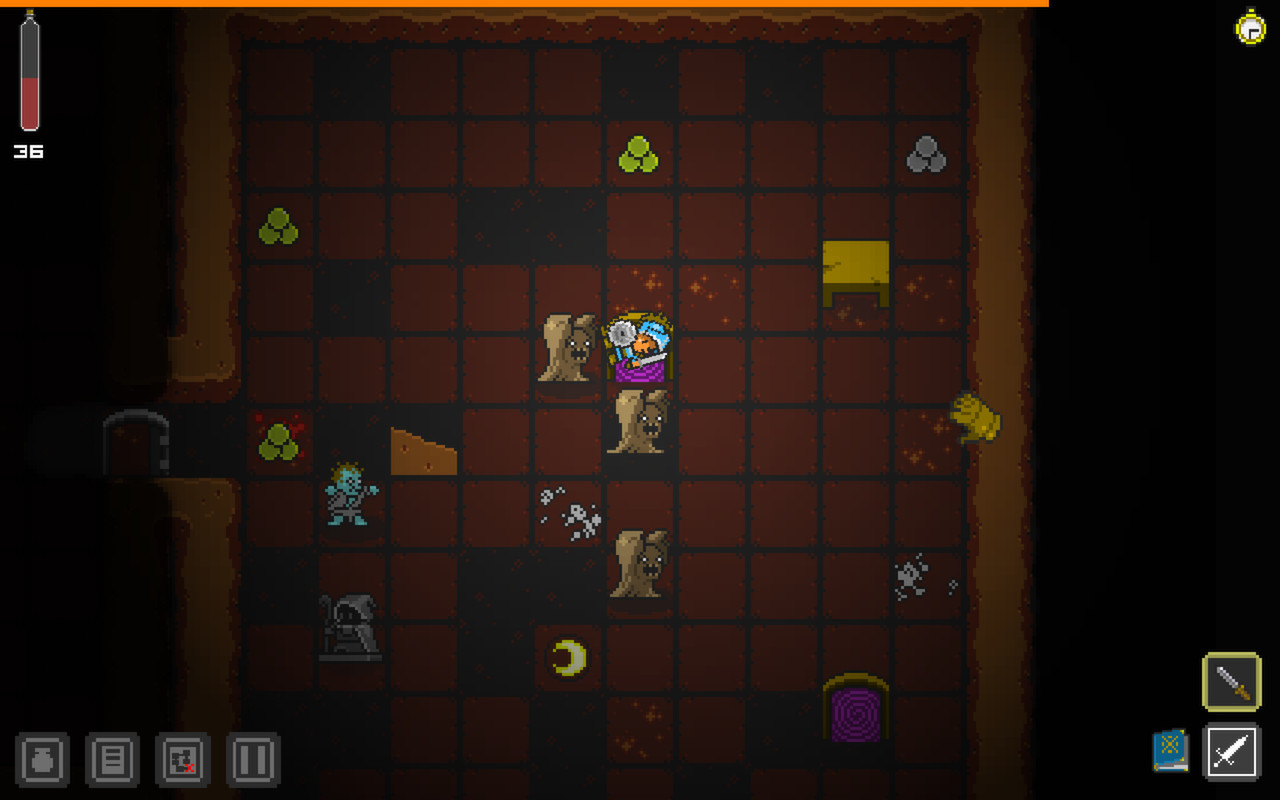
I have a soft spot for the kind of game that could have been a weekend hobby project and instead became a quietly loved cult object. Quest of Dungeons, built entirely by solo developer David Amador, is that thing. It is a pure-blooded turn-based roguelike set inside procedurally generated dungeons, and it commits to that concept without flinching. Every step, every swing, every potion use counts as one turn. Enemies move when you move. The whole thing clicks along with a fast, tile-stepping rhythm that feels closer to the original Rogue than almost anything else you will find on Steam. You pick one of four classes at the start: the Warrior, a bruiser with a big health bar and nothing but melee; the Wizard, who leans on spells and a mana bar that will punish careless play; the Assassin, bow-armed and the most forgiving for newcomers; and the Shaman, a melee fighter who mixes in crowd control and magic. Each class acquires new skills by finding skill books scattered across floors, which is a small but satisfying discovery loop. A roaming shopkeeper spawns somewhere on each floor and lets you sell off the gems and surplus gear that would otherwise weigh down your inventory. The loot generation is generous enough that your bag is usually bursting by the second floor, which means you are constantly making small triage decisions about what to keep. That constant low-level inventory pressure is where most of the tension actually lives. The game does have real weaknesses, and they are worth knowing before you spend anything. The combat math is opaque in a way that can feel more frustrating than mysterious: damage numbers sometimes do not behave the way weapon stats suggest they should, and class differences, while present, flatten out across a long session. The quest system amounts to either stumbling on a specific item or hunting down a marked enemy, which is thin. Repeat runs do start to reveal that the environmental variety between dungeons is more cosmetic than strategic. The PC release launched with mouse-only controls that drew criticism, though controller support was added later and works well. Critics across the board have landed on the same moderate verdict: the game does everything right without doing anything outstanding. Where I want to push back on that consensus, at least a little, is the sound design and aesthetic. The 16-bit pixel art is clean and readable, and the soundtrack courtesy of Aaron Krogh is genuinely catchy in a way that indie budgets rarely produce. The music shifts to match each dungeon floor atmosphere, and there is a quiet attentiveness to how it all holds together tonally. Amador made something that feels handcrafted rather than assembled. The absence of a hunger meter (a staple of the genre that punishes exploration) and the absence of unidentified items are deliberate, player-friendly design choices that signal the developer understood what parts of classic roguelikes were fun versus merely punishing. A winning run takes roughly one to two hours on normal difficulty, but most runs end much sooner. Permadeath is non-negotiable. For a player who wants a heavy, sprawling roguelike with dense build variety and procedural storytelling, this will feel too thin. For someone who wants a focused, low-friction dungeon run they can pause mid-floor and come back to, or for anyone who loves the genre's roots and respects a tight, humble execution, Quest of Dungeons earns its place in the library. Kai, Scout Team

Quest of Dungeons

Quest of Dungeons

25 mar 2014David Amador
GamerScout opina

A one-person passion project from 2014 that strips dungeon crawling back to its honest bones, and knows exactly what it is and what it isn't. If you want lore and build trees, look elsewhere. If you want one more run at midnight, this is your game.

PCMacLinuxXbox
Steam Deck VerifiedProtonDB Platinum
Mejor precio disponible
€0.00
en N/A
Mínimo histórico: €0.73

Comparar precios(0 tiendas)

Cargando precios...

We may earn a commission when you buy games through links on this page — at no extra cost to you. It never affects our rankings or verdicts.

Historial de precios

Historical low
€0.7315 Jun 2026
Keyshops
€0.68€0.72€0.75€0.797 Jun12 Jun18 Jun23 Jun28 Jun
Tracking prices since 7 Jun 2026
Create alert

Capturas y multimedia

Captura

Acerca de Quest of Dungeons

I have a soft spot for the kind of game that could have been a weekend hobby project and instead became a quietly loved cult object. Quest of Dungeons, built entirely by solo developer David Amador, is that thing. It is a pure-blooded turn-based roguelike set inside procedurally generated dungeons, and it commits to that concept without flinching. Every step, every swing, every potion use counts as one turn. Enemies move when you move. The whole thing clicks along with a fast, tile-stepping rhythm that feels closer to the original Rogue than almost anything else you will find on Steam. You pick one of four classes at the start: the Warrior, a bruiser with a big health bar and nothing but melee; the Wizard, who leans on spells and a mana bar that will punish careless play; the Assassin, bow-armed and the most forgiving for newcomers; and the Shaman, a melee fighter who mixes in crowd control and magic. Each class acquires new skills by finding skill books scattered across floors, which is a small but satisfying discovery loop. A roaming shopkeeper spawns somewhere on each floor and lets you sell off the gems and surplus gear that would otherwise weigh down your inventory. The loot generation is generous enough that your bag is usually bursting by the second floor, which means you are constantly making small triage decisions about what to keep. That constant low-level inventory pressure is where most of the tension actually lives. The game does have real weaknesses, and they are worth knowing before you spend anything. The combat math is opaque in a way that can feel more frustrating than mysterious: damage numbers sometimes do not behave the way weapon stats suggest they should, and class differences, while present, flatten out across a long session. The quest system amounts to either stumbling on a specific item or hunting down a marked enemy, which is thin. Repeat runs do start to reveal that the environmental variety between dungeons is more cosmetic than strategic. The PC release launched with mouse-only controls that drew criticism, though controller support was added later and works well. Critics across the board have landed on the same moderate verdict: the game does everything right without doing anything outstanding. Where I want to push back on that consensus, at least a little, is the sound design and aesthetic. The 16-bit pixel art is clean and readable, and the soundtrack courtesy of Aaron Krogh is genuinely catchy in a way that indie budgets rarely produce. The music shifts to match each dungeon floor atmosphere, and there is a quiet attentiveness to how it all holds together tonally. Amador made something that feels handcrafted rather than assembled. The absence of a hunger meter (a staple of the genre that punishes exploration) and the absence of unidentified items are deliberate, player-friendly design choices that signal the developer understood what parts of classic roguelikes were fun versus merely punishing. A winning run takes roughly one to two hours on normal difficulty, but most runs end much sooner. Permadeath is non-negotiable. For a player who wants a heavy, sprawling roguelike with dense build variety and procedural storytelling, this will feel too thin. For someone who wants a focused, low-friction dungeon run they can pause mid-floor and come back to, or for anyone who loves the genre's roots and respects a tight, humble execution, Quest of Dungeons earns its place in the library.

Kai
Kai · Scout Team

Indie & narrative

Etiquetas

singleplayerachievementscontroller-supporttrading-cardscloud-savestier:sub-5Pure RoguelikePermadeathProcedural DungeonsSolo DeveloperSkill BooksShopkeeper MechanicFour DifficultiesMouse-FriendlyShort-Run Roguelike

Requisitos del sistema

Mínimos

OS
Windows 7
Memory
512 MB RAM
DirectX
Version 9.0c
Storage
256 MB available space
Graphics
OpenGL 2.0 compatible with 128MB Ram
Processor
1.4GHz or faster
Sound Card
DirectX 9 compatible

Sigue explorando

Community Discussion

Be the first to comment on Quest of Dungeons.

Reseñas y valoraciones

No hay valoraciones disponibles

Información del juego

Desarrolladora
David Amador
Distribuidora
David Amador
Fecha de lanzamiento
25 mar 2014

Alerta de precio

¡Recibe un aviso cuando el precio baje de tu objetivo!

Crear alerta

Compra mejor: guías útiles

¿Buscas más? Mira juegos como Quest of Dungeons →

Preguntas frecuentes sobre Quest of Dungeons

¿Cuánto cuesta Quest of Dungeons?

El precio de Quest of Dungeons cambia a menudo y varía según la tienda, la edición y la región. La tabla de precios en vivo de esta página compara las ofertas más baratas en stock de tiendas de claves de confianza como Eneba y Kinguin, para que siempre veas el precio más bajo actual antes de comprar.

¿Dónde puedo comprar Quest of Dungeons más barato?

Compara los precios de Quest of Dungeons en todas las tiendas verificadas en la tabla de precios de esta página. Listamos las ofertas de claves y tiendas más baratas en stock, actualizadas con frecuencia, para que siempre veas la mejor oferta actual antes de comprar.

¿En qué plataformas está disponible Quest of Dungeons?

Quest of Dungeons está disponible en PC, Mac, Linux, Xbox.

¿Cuándo se lanzó Quest of Dungeons?

Quest of Dungeons se lanzó el 25 de marzo de 2014.

¿Quién desarrolló Quest of Dungeons?

Quest of Dungeons fue desarrollado por David Amador.