Compara los precios de Pacific Storm en tiendas de claves de confianza y encuentra la mejor oferta. Desarrollado por Buka Entertainment. Publicado por ESDigital Games. Lanzado el 24/6/2008. Disponible en PC. Géneros: Simulation, Strategy. Puntuación Metacritic: 67/100.

Four games crammed into one engine: grand-strategy, operational RTS, tactical naval combat, and a first-person gun sim. Only grognards willing to fight the interface will get their money's worth.

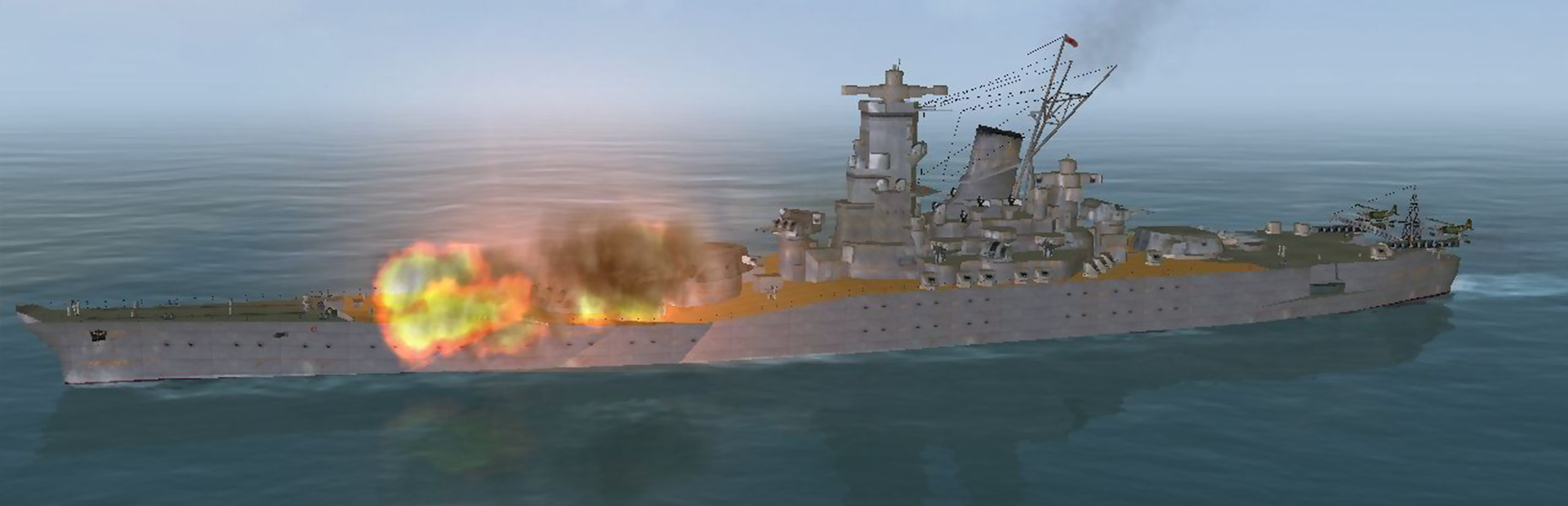
I have spent enough time with hybrid-genre strategy games to spot the pattern immediately: Pacific Storm has an idea so ambitious it almost collapses under its own weight, and the interesting question is whether enough of it survives to justify your hours. The answer is a qualified yes, but only for a specific type of player. At its structural core the game stacks four distinct modes on top of each other. You start on a grand-strategy layer managing the entire Pacific war effort for either the United States or Imperial Japan: researching technologies, mining iron ore, nickel ore, bauxite and oil, staffing bases with the right mix of engineers, soldiers and pilots, and constructing fuel tanks, warehouses, AA defenses and anti-ship artillery. That layer feeds into an operational map where fleets and aircraft formations move in real time using distance-and-bearing navigation rather than zone-to-zone hops, which gives meaningful positional decisions to your fleet movements. When forces collide you drop into a 3D tactical battle where you can command individual battleships, aircraft carriers, fighters and bombers directly. And then, because apparently three games were not enough, you can climb into a first-person gun position on a ship or take the cockpit of a bomber and man the turrets yourself. The Pearl Harbor scenario, with waves of Zeros coming in over the USS Colorado, is the one moment where that last layer earns its place. Here is what the review consensus in 2006 and the modest Steam user base since then both agree on: the strategic depth is real, and the seamless zoom from theatre command down to individual aircraft is genuinely uncommon in the genre. The problem is everything holding it together. The AI is the biggest offender. On the strategic layer the automation that is supposed to handle logistics, loading ammo, moving oil between ports and shuttling supplies does its job badly enough that you will spend a meaningful portion of your session correcting its mistakes rather than making decisions. In tactical battles the AI will charge ships to their deaths, and your own units will occasionally fly into the sea without obvious cause. The tutorial is a wall of text boxes, not an interactive walkthrough, and the game drops you into the full strategic sandbox immediately after. The interface compounds this: nothing is intuitive, and the audio design, from the repetitive voice lines to the mismatched background music, is not going to help your mood. If you approach this the way you would a Paradox title in its first year on sale, meaning you accept a rough outer shell around a deep interior and you are willing to spend two or three sessions just mapping the menus, the strategic layer pays off. The two campaign modes, a free balanced variant and a more historically weighted one that reflects 1940 fleet compositions, give the core loop genuine replayability. Multiplayer exists on paper, supporting LAN battles and co-op, but do not plan your evening around finding an online match. The community is thin. There are no significant mod tools to speak of, so what you install is more or less what you get. For the Pacific-theatre niche specifically this is still one of the few games to cover it with any real operational depth. If you have already finished every Hearts of Iron campaign you can find and you want something that handles naval logistics at a granular level, Pacific Storm has a ceiling worth reaching. Everyone else should look elsewhere, or at minimum pick up the Allies standalone expansion, which iterates on the same engine with a third playable nation and some quality-of-life improvements. Diego, Scout Team

Pacific Storm

Pacific Storm

24 jun 2008Buka EntertainmentESDigital Games
GamerScout opina

Four games crammed into one engine: grand-strategy, operational RTS, tactical naval combat, and a first-person gun sim. Only grognards willing to fight the interface will get their money's worth.

PC
ProtonDB Borked
Mejor precio disponible
€0.00
en N/A
Mínimo histórico: €1.25

Comparar precios(0 tiendas)

Cargando precios...

We may earn a commission when you buy games through links on this page — at no extra cost to you. It never affects our rankings or verdicts.

Historial de precios

Historical low
€1.2510 Jun 2026
Keyshops
€1.15€1.22€1.28€1.3510 Jun15 Jun19 Jun24 Jun28 Jun
Tracking prices since 10 Jun 2026
Create alert

Capturas y multimedia

Acerca de Pacific Storm

I have spent enough time with hybrid-genre strategy games to spot the pattern immediately: Pacific Storm has an idea so ambitious it almost collapses under its own weight, and the interesting question is whether enough of it survives to justify your hours. The answer is a qualified yes, but only for a specific type of player. At its structural core the game stacks four distinct modes on top of each other. You start on a grand-strategy layer managing the entire Pacific war effort for either the United States or Imperial Japan: researching technologies, mining iron ore, nickel ore, bauxite and oil, staffing bases with the right mix of engineers, soldiers and pilots, and constructing fuel tanks, warehouses, AA defenses and anti-ship artillery. That layer feeds into an operational map where fleets and aircraft formations move in real time using distance-and-bearing navigation rather than zone-to-zone hops, which gives meaningful positional decisions to your fleet movements. When forces collide you drop into a 3D tactical battle where you can command individual battleships, aircraft carriers, fighters and bombers directly. And then, because apparently three games were not enough, you can climb into a first-person gun position on a ship or take the cockpit of a bomber and man the turrets yourself. The Pearl Harbor scenario, with waves of Zeros coming in over the USS Colorado, is the one moment where that last layer earns its place. Here is what the review consensus in 2006 and the modest Steam user base since then both agree on: the strategic depth is real, and the seamless zoom from theatre command down to individual aircraft is genuinely uncommon in the genre. The problem is everything holding it together. The AI is the biggest offender. On the strategic layer the automation that is supposed to handle logistics, loading ammo, moving oil between ports and shuttling supplies does its job badly enough that you will spend a meaningful portion of your session correcting its mistakes rather than making decisions. In tactical battles the AI will charge ships to their deaths, and your own units will occasionally fly into the sea without obvious cause. The tutorial is a wall of text boxes, not an interactive walkthrough, and the game drops you into the full strategic sandbox immediately after. The interface compounds this: nothing is intuitive, and the audio design, from the repetitive voice lines to the mismatched background music, is not going to help your mood. If you approach this the way you would a Paradox title in its first year on sale, meaning you accept a rough outer shell around a deep interior and you are willing to spend two or three sessions just mapping the menus, the strategic layer pays off. The two campaign modes, a free balanced variant and a more historically weighted one that reflects 1940 fleet compositions, give the core loop genuine replayability. Multiplayer exists on paper, supporting LAN battles and co-op, but do not plan your evening around finding an online match. The community is thin. There are no significant mod tools to speak of, so what you install is more or less what you get. For the Pacific-theatre niche specifically this is still one of the few games to cover it with any real operational depth. If you have already finished every Hearts of Iron campaign you can find and you want something that handles naval logistics at a granular level, Pacific Storm has a ceiling worth reaching. Everyone else should look elsewhere, or at minimum pick up the Allies standalone expansion, which iterates on the same engine with a third playable nation and some quality-of-life improvements.

Diego
Diego · Scout Team

Strategy & simulation

Etiquetas

singleplayermultiplayertrading-cardstier:sub-5Naval Grand StrategyMulti-Layer RTSPacific TheaterWWII SimulationLogistics ManagementReal-Time with PauseFirst-Person TurretDual CampaignHardcore Micromanagement

Requisitos del sistema

Mínimos

OS
Windows® Vista/XP/2000/7/8/8.1
Sound
100% DirectX 9.0c compatible sound card
Memory
512 MB RAM
Graphics
DirectX compatible 128 MB graphics card
Processor
1.7 GHz Processor
Hard Drive
2 GB of available hard drive space
DirectX Version
DirectX® 9.0c or higher

Sigue explorando

Community Discussion

Be the first to comment on Pacific Storm.

Reseñas y valoraciones

Metacritic
67

Información del juego

Desarrolladora
Buka Entertainment
Distribuidora
ESDigital Games
Fecha de lanzamiento
24 jun 2008

Alerta de precio

¡Recibe un aviso cuando el precio baje de tu objetivo!

Crear alerta

Compra mejor: guías útiles

Preguntas frecuentes sobre Pacific Storm

¿Cuánto cuesta Pacific Storm?

El precio de Pacific Storm cambia a menudo y varía según la tienda, la edición y la región. La tabla de precios en vivo de esta página compara las ofertas más baratas en stock de tiendas de claves de confianza como Eneba y Kinguin, para que siempre veas el precio más bajo actual antes de comprar.

¿Dónde puedo comprar Pacific Storm más barato?

Compara los precios de Pacific Storm en todas las tiendas verificadas en la tabla de precios de esta página. Listamos las ofertas de claves y tiendas más baratas en stock, actualizadas con frecuencia, para que siempre veas la mejor oferta actual antes de comprar.

¿En qué plataformas está disponible Pacific Storm?

Pacific Storm está disponible en PC.

¿Cuándo se lanzó Pacific Storm?

Pacific Storm se lanzó el 24 de junio de 2008.

¿Quién desarrolló Pacific Storm?

Pacific Storm fue desarrollado por Buka Entertainment y publicado por ESDigital Games.

¿Merece la pena comprar Pacific Storm?

Pacific Storm tiene una puntuación Metacritic de 67/100, lo que lo convierte en uno de los títulos destacados de Simulation. Mira las reseñas completas, las valoraciones y los tiempos de duración en esta página para decidir.