Compara los precios de Nightfall: Escape en tiendas de claves de confianza y encuentra la mejor oferta. Desarrollado por Zeenoh. Publicado por Zeenoh Inc.. Lanzado el 28/6/2016. Disponible en PC, Mac, Linux. Géneros: Violent, Gore, Adventure, Indie, Simulation.

Filipino folklore horror with a genuinely distinctive creature roster, undercut by a punishing save system and bugs that haven't aged out. Worth it only for the right kind of patient player.

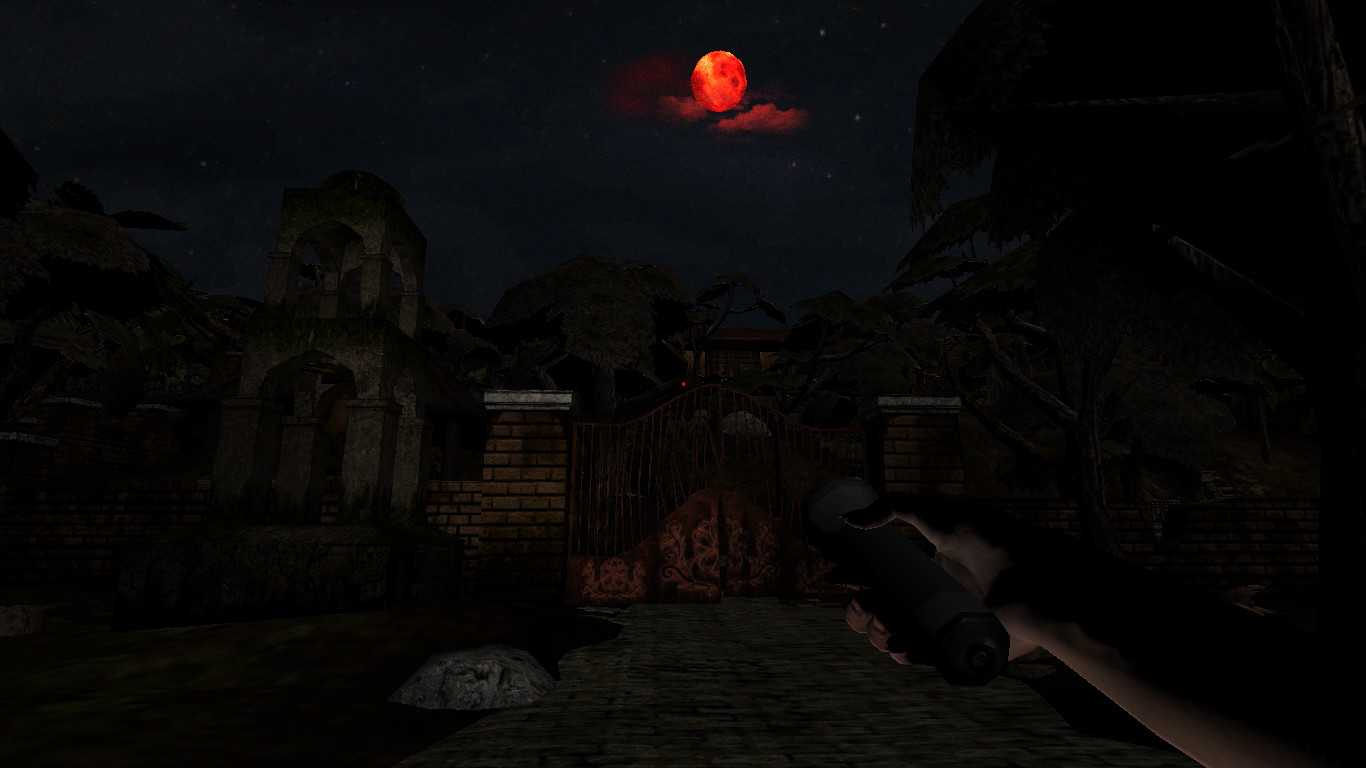
My instinct when I loaded this one up was that the premise alone was worth investigating: a first-person survival horror title rooted in Philippine mythology, not the recycled European ghost-house tropes that dominate the genre. The creatures here are the real draw. Over a dozen monsters pulled from Filipino folklore patrol the mansion's halls, and each one demands a different approach to survive. The Batibat sends protagonist Ara Cruz into a disorienting portal maze. The Paring Pugot, a headless priest, forces you to locate the correct skull and then crush bones under pressure while the spirit hunts you. Every enemy contact is instant death, and every kill delivers a dedicated, often brutal death animation. That bestiary ambition is where the team clearly poured its energy, and it shows. The core loop is first-person exploration through a large, non-linear mansion. Ara starts with a flashlight and eventually acquires a "bloodlight" shard that reveals hidden items and puzzle solutions invisible under normal light. That mechanic adds a second layer of observation to every room you enter, which is a smart piece of design that the genre rarely attempts. Puzzles are interconnected across areas, and you can tackle wings in a loose order determined by which keys you find early on. The non-linearity works in the game's favor: if one room is blocking you, shelving it and circling back later is a genuine option. The anime-style comic cutscenes that punctuate the story are a high point, well above the budget the rest of the game suggests. Here is where I have to be direct about the problems, because they are significant. The save system is brutal in the wrong way. There is essentially one main save point, located in the central area, requiring backtracking before entering any new wing. Combined with one-hit-kill enemies and a labyrinth section with no save access at all, a single bad encounter can cost ten or fifteen minutes of progress. On top of that, AI pathfinding glitches cause enemies to wedge into walls, item pickups occasionally refuse to register, and doorways can stop working. These are not cosmetic bugs. They directly interfere with the already-punishing save structure. Steam's user pool reflects the frustration: the game sits at mostly negative overall, which is harsh but not inexplicable. The visuals are a deliberate PS2-era aesthetic running on an older Unity build. Low-resolution textures and flat lighting are partly a budget constraint and partly atmospheric choice, and player opinion splits sharply on whether that reads as nostalgic charm or simply dated. The voice acting lands in cheesy territory, which reviewers either find endearing in a classic horror way or immediately off-putting. The story itself, set against a backdrop of early 20th-century Philippine history and colonial-era tragedy, received recognition for its narrative construction and genuinely earns that. If you complete the game, the payoff is there. The honest recommendation is narrow. If you have patience for old-school survival horror that asks you to learn enemy patterns through repetition, if Filipino folklore is a setting you have never seen executed with this level of creature specificity, and if you treat each death as information rather than an insult, there is a real game here with a distinct identity. If you expect modern save conveniences or polished production values, this will end your run in under an hour of frustration. Diego, Scout Team

Nightfall: Escape

Nightfall: Escape

28 jun 2016ZeenohZeenoh Inc.
GamerScout opina

Filipino folklore horror with a genuinely distinctive creature roster, undercut by a punishing save system and bugs that haven't aged out. Worth it only for the right kind of patient player.

PCMacLinux
Mejor precio disponible
€0.00
en N/A
Mínimo histórico: €2.57

Comparar precios(0 tiendas)

Cargando precios...

We may earn a commission when you buy games through links on this page — at no extra cost to you. It never affects our rankings or verdicts.

Historial de precios

Historical low
€2.5723 Jun 2026
Keyshops
€2.44€2.58€2.72€2.8610 Jun15 Jun19 Jun24 Jun28 Jun
Tracking prices since 10 Jun 2026
Create alert

Capturas y multimedia

Captura

Acerca de Nightfall: Escape

My instinct when I loaded this one up was that the premise alone was worth investigating: a first-person survival horror title rooted in Philippine mythology, not the recycled European ghost-house tropes that dominate the genre. The creatures here are the real draw. Over a dozen monsters pulled from Filipino folklore patrol the mansion's halls, and each one demands a different approach to survive. The Batibat sends protagonist Ara Cruz into a disorienting portal maze. The Paring Pugot, a headless priest, forces you to locate the correct skull and then crush bones under pressure while the spirit hunts you. Every enemy contact is instant death, and every kill delivers a dedicated, often brutal death animation. That bestiary ambition is where the team clearly poured its energy, and it shows. The core loop is first-person exploration through a large, non-linear mansion. Ara starts with a flashlight and eventually acquires a "bloodlight" shard that reveals hidden items and puzzle solutions invisible under normal light. That mechanic adds a second layer of observation to every room you enter, which is a smart piece of design that the genre rarely attempts. Puzzles are interconnected across areas, and you can tackle wings in a loose order determined by which keys you find early on. The non-linearity works in the game's favor: if one room is blocking you, shelving it and circling back later is a genuine option. The anime-style comic cutscenes that punctuate the story are a high point, well above the budget the rest of the game suggests. Here is where I have to be direct about the problems, because they are significant. The save system is brutal in the wrong way. There is essentially one main save point, located in the central area, requiring backtracking before entering any new wing. Combined with one-hit-kill enemies and a labyrinth section with no save access at all, a single bad encounter can cost ten or fifteen minutes of progress. On top of that, AI pathfinding glitches cause enemies to wedge into walls, item pickups occasionally refuse to register, and doorways can stop working. These are not cosmetic bugs. They directly interfere with the already-punishing save structure. Steam's user pool reflects the frustration: the game sits at mostly negative overall, which is harsh but not inexplicable. The visuals are a deliberate PS2-era aesthetic running on an older Unity build. Low-resolution textures and flat lighting are partly a budget constraint and partly atmospheric choice, and player opinion splits sharply on whether that reads as nostalgic charm or simply dated. The voice acting lands in cheesy territory, which reviewers either find endearing in a classic horror way or immediately off-putting. The story itself, set against a backdrop of early 20th-century Philippine history and colonial-era tragedy, received recognition for its narrative construction and genuinely earns that. If you complete the game, the payoff is there. The honest recommendation is narrow. If you have patience for old-school survival horror that asks you to learn enemy patterns through repetition, if Filipino folklore is a setting you have never seen executed with this level of creature specificity, and if you treat each death as information rather than an insult, there is a real game here with a distinct identity. If you expect modern save conveniences or polished production values, this will end your run in under an hour of frustration.

Diego
Diego · Scout Team

Strategy & simulation

Etiquetas

singleplayertier:sub-5Filipino FolkloreInstant-Death EnemiesBloodlight MechanicBestiary CollectiblesNon-Linear ExplorationAnime CutscenesOne-Save-Point DesignPS2-Era Aesthetic

Requisitos del sistema

Mínimos

OS
Windows XP / Vista / 7 / 8 - 64 bits*
Memory
2 GB RAM
DirectX
Version 9.0c
Storage
3 GB available space
Graphics
GeForce GT 750M / 9800GTX / Radeon
Processor
2.8 GHz Quad Core CPU
Sound Card
DirectX Compatible

Recomendados

OS
Windows Vista / 7 / 8 - 64 bits
Memory
4 GB RAM
DirectX
Version 9.0c
Storage
5 GB available space
Graphics
2GB NVIDIA GeForce 750 GTX Ti /ATI / Radeon HD 37xx series
Processor
3.3 GHz Intel i3 CPU
Sound Card
DirectX Compatible

Sigue explorando

Community Discussion

Be the first to comment on Nightfall: Escape.

Reseñas y valoraciones

No hay valoraciones disponibles

Información del juego

Desarrolladora
Zeenoh
Distribuidora
Zeenoh Inc.
Fecha de lanzamiento
28 jun 2016

Alerta de precio

¡Recibe un aviso cuando el precio baje de tu objetivo!

Crear alerta

Compra mejor: guías útiles

Preguntas frecuentes sobre Nightfall: Escape

¿Cuánto cuesta Nightfall: Escape?

El precio de Nightfall: Escape cambia a menudo y varía según la tienda, la edición y la región. La tabla de precios en vivo de esta página compara las ofertas más baratas en stock de tiendas de claves de confianza como Eneba y Kinguin, para que siempre veas el precio más bajo actual antes de comprar.

¿Dónde puedo comprar Nightfall: Escape más barato?

Compara los precios de Nightfall: Escape en todas las tiendas verificadas en la tabla de precios de esta página. Listamos las ofertas de claves y tiendas más baratas en stock, actualizadas con frecuencia, para que siempre veas la mejor oferta actual antes de comprar.

¿En qué plataformas está disponible Nightfall: Escape?

Nightfall: Escape está disponible en PC, Mac, Linux.

¿Cuándo se lanzó Nightfall: Escape?

Nightfall: Escape se lanzó el 28 de junio de 2016.

¿Quién desarrolló Nightfall: Escape?

Nightfall: Escape fue desarrollado por Zeenoh y publicado por Zeenoh Inc..