Compara los precios de Munin en tiendas de claves de confianza y encuentra la mejor oferta. Desarrollado por Gojira. Publicado por Daedalic Entertainment. Lanzado el 10/6/2014. Disponible en PC, Mac, Linux. Géneros: Adventure, Casual, Indie. Puntuación Metacritic: 68/100.

A quiet, grid-rotating puzzler set against the nine worlds of Norse myth that rewards patient spatial thinkers and will wall-check anyone who tries to rush it.

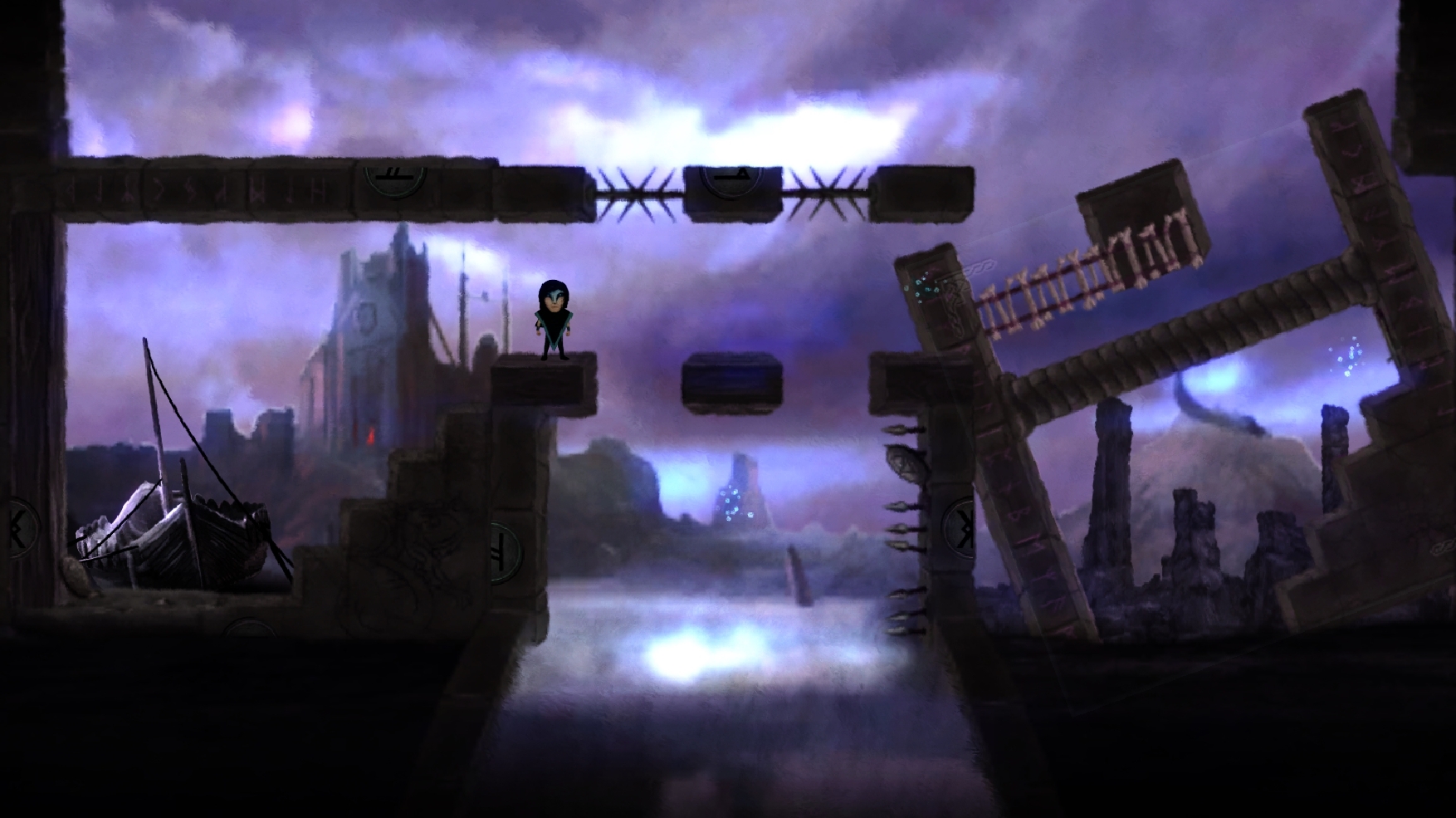
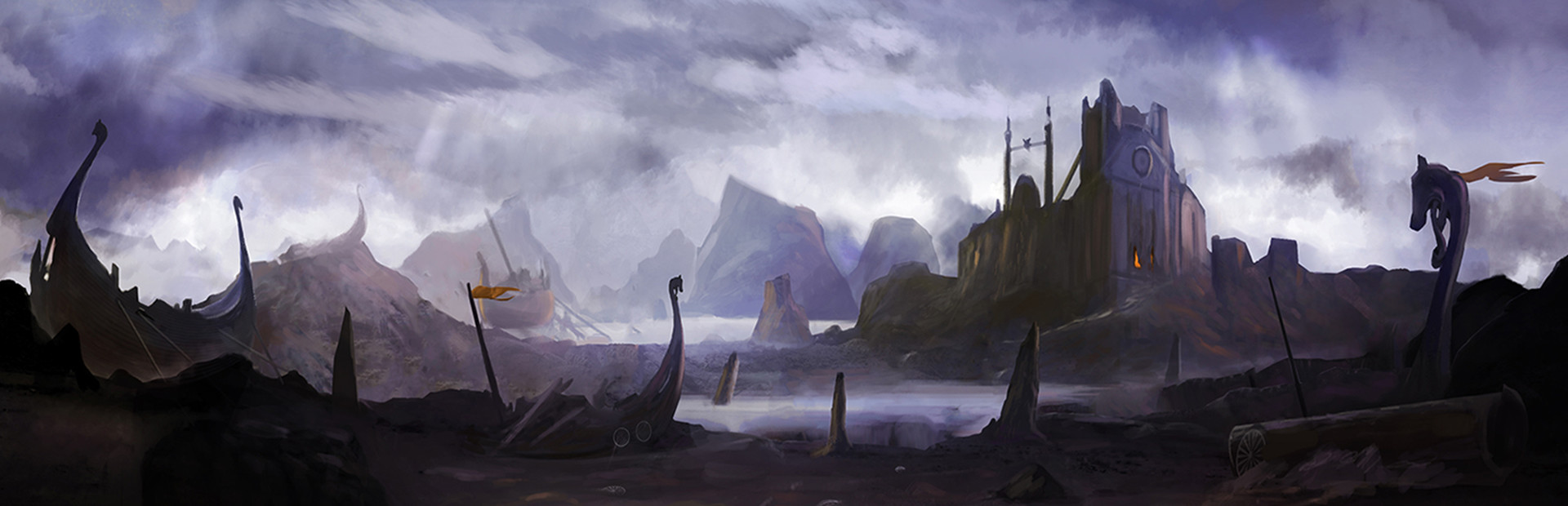
I have a soft spot for small studio puzzle games that bet everything on a single, well-turned mechanic, and Munin is exactly that kind of bet. Portuguese developer Gojira built the whole experience around one idea: the level is a grid of tiles, and you rotate any tile you are not standing on in 90-degree increments, watching walls become floors, ceilings open into passages, boulders roll under the new gravity, and lava redirect itself accordingly. That is the entire toolkit. Whether it sustains nine worlds and roughly 77 levels is the real question. For the most part, it does. Each of the nine worlds introduces its own physical wrinkle to the rotation system. One world adds swimmable water that flows into your rotated spaces; another drops laser beams that kill on contact and restart the level completely; a third links tiles so that spinning one causes a second to shift in tandem. The goal in every level is to collect feathers scattered across the grid, and the game teaches each new mechanic wordlessly in the first few stages of each world before the levels expand from 3x1 grids to 3x3 arrangements that require serious spatial planning. Nordic rune halves must be aligned to unlock hidden feathers, stones obey gravity and can be steered into new positions, and the layering of all these systems into a single screen-sized puzzle becomes genuinely satisfying when it clicks. The watercolor-style backgrounds do real work here too. Stone giants stride past in the background, Hel watches from the shadows, and the animated scenery gives each world a distinct, slightly uncanny atmosphere. The per-world soundtrack is laid-back and a little haunting, which I mean as a compliment. It keeps the temperature low when a puzzle is refusing to cooperate. But there are real frustrations worth naming before you commit. The difficulty curve is jagged in a way that feels unintentional rather than designed. Consecutive levels can swing from solved-in-ninety-seconds to genuinely opaque, with no hint system of any kind to bridge the gap. A death resets all collected feathers and all tile rotations in that level, which stings most in the larger late-game grids where you may have spent several minutes arranging things. The character controls are the other sore point. Munin's jump is floaty and imprecise, her hitbox is slightly smaller than her sprite implies so some deaths feel unearned, and catching a platform corner can stall a jump entirely. None of this is catastrophic, but in a game where restarts are the punishment, imprecise controls add artificial difficulty on top of the intended kind. The narrative, introduced through text screens in a Norse-poetry style inspired by the Poetic Edda, is atmospheric in small doses but never develops into anything that carries emotional weight. If you arrive hoping the myth will be meaningfully explored, it mostly functions as aesthetic wallpaper. Where I land: Munin is the kind of small game that knows exactly what it is and spends its runtime doing that one thing with care. The rotation mechanic is genuinely squeezed for everything it can yield, and the moments where physics, linked tiles, and environmental hazards all interact inside a single puzzle are the kind of quiet triumphs that only this format can produce. The rough edges, floaty jumping and erratic difficulty spikes included, are real, but they sit inside a package that is intentional, handcrafted, and priced accordingly for the tier it lives in. Spatial reasoning fans who prefer contemplative problem-solving over narrative will find more here than the Metacritic score of 68 suggests. Players allergic to checkpoint-less restarts or who need a hint system to stay patient should probably look elsewhere first. Kai, Scout Team

Munin

Munin

10 jun 2014GojiraDaedalic Entertainment
GamerScout opina

A quiet, grid-rotating puzzler set against the nine worlds of Norse myth that rewards patient spatial thinkers and will wall-check anyone who tries to rush it.

PCMacLinux
Steam Deck Verified
Mejor precio disponible
€0.00
en N/A
Mínimo histórico: €0.25

Comparar precios(0 tiendas)

Cargando precios...

We may earn a commission when you buy games through links on this page — at no extra cost to you. It never affects our rankings or verdicts.

Historial de precios

Historical low
€0.2523 Jun 2026
Keyshops
€0.24€0.27€0.31€0.346 Jun12 Jun17 Jun23 Jun28 Jun
Tracking prices since 6 Jun 2026
Create alert

Capturas y multimedia

Captura

Acerca de Munin

I have a soft spot for small studio puzzle games that bet everything on a single, well-turned mechanic, and Munin is exactly that kind of bet. Portuguese developer Gojira built the whole experience around one idea: the level is a grid of tiles, and you rotate any tile you are not standing on in 90-degree increments, watching walls become floors, ceilings open into passages, boulders roll under the new gravity, and lava redirect itself accordingly. That is the entire toolkit. Whether it sustains nine worlds and roughly 77 levels is the real question. For the most part, it does. Each of the nine worlds introduces its own physical wrinkle to the rotation system. One world adds swimmable water that flows into your rotated spaces; another drops laser beams that kill on contact and restart the level completely; a third links tiles so that spinning one causes a second to shift in tandem. The goal in every level is to collect feathers scattered across the grid, and the game teaches each new mechanic wordlessly in the first few stages of each world before the levels expand from 3x1 grids to 3x3 arrangements that require serious spatial planning. Nordic rune halves must be aligned to unlock hidden feathers, stones obey gravity and can be steered into new positions, and the layering of all these systems into a single screen-sized puzzle becomes genuinely satisfying when it clicks. The watercolor-style backgrounds do real work here too. Stone giants stride past in the background, Hel watches from the shadows, and the animated scenery gives each world a distinct, slightly uncanny atmosphere. The per-world soundtrack is laid-back and a little haunting, which I mean as a compliment. It keeps the temperature low when a puzzle is refusing to cooperate. But there are real frustrations worth naming before you commit. The difficulty curve is jagged in a way that feels unintentional rather than designed. Consecutive levels can swing from solved-in-ninety-seconds to genuinely opaque, with no hint system of any kind to bridge the gap. A death resets all collected feathers and all tile rotations in that level, which stings most in the larger late-game grids where you may have spent several minutes arranging things. The character controls are the other sore point. Munin's jump is floaty and imprecise, her hitbox is slightly smaller than her sprite implies so some deaths feel unearned, and catching a platform corner can stall a jump entirely. None of this is catastrophic, but in a game where restarts are the punishment, imprecise controls add artificial difficulty on top of the intended kind. The narrative, introduced through text screens in a Norse-poetry style inspired by the Poetic Edda, is atmospheric in small doses but never develops into anything that carries emotional weight. If you arrive hoping the myth will be meaningfully explored, it mostly functions as aesthetic wallpaper. Where I land: Munin is the kind of small game that knows exactly what it is and spends its runtime doing that one thing with care. The rotation mechanic is genuinely squeezed for everything it can yield, and the moments where physics, linked tiles, and environmental hazards all interact inside a single puzzle are the kind of quiet triumphs that only this format can produce. The rough edges, floaty jumping and erratic difficulty spikes included, are real, but they sit inside a package that is intentional, handcrafted, and priced accordingly for the tier it lives in. Spatial reasoning fans who prefer contemplative problem-solving over narrative will find more here than the Metacritic score of 68 suggests. Players allergic to checkpoint-less restarts or who need a hint system to stay patient should probably look elsewhere first.

Kai
Kai · Scout Team

Indie & narrative

Etiquetas

singleplayerachievementscontroller-supporttrading-cardscloud-savestier:sub-5Grid Rotation MechanicSpatial PuzzlesNorse MythologyPhysics-Based PuzzlesNo Hint SystemFeather CollectionLevel Restart on DeathLinked Tile PuzzlesWatercolor Art Style

Requisitos del sistema

Mínimos

OS
Windows Vista/7/8
Memory
512 MB RAM
Storage
2 GB available space
Graphics
DirectX 9 compatible
Processor
2.33 GHz Single Core
Sound Card
DirectX 9 compatible

Recomendados

OS
Windows XP/Vista/7/8
Memory
1 GB RAM
Storage
2 GB available space
Graphics
DirectX 9 compatible
Processor
2.33 GHz Single Core
Sound Card
DirectX 9 compatible

Sigue explorando

Community Discussion

Be the first to comment on Munin.

Reseñas y valoraciones

Metacritic
68

Información del juego

Desarrolladora
Gojira
Distribuidora
Daedalic Entertainment
Fecha de lanzamiento
10 jun 2014

Alerta de precio

¡Recibe un aviso cuando el precio baje de tu objetivo!

Crear alerta

Compra mejor: guías útiles

¿Buscas más? Mira juegos como Munin →

Preguntas frecuentes sobre Munin

¿Cuánto cuesta Munin?

El precio de Munin cambia a menudo y varía según la tienda, la edición y la región. La tabla de precios en vivo de esta página compara las ofertas más baratas en stock de tiendas de claves de confianza como Eneba y Kinguin, para que siempre veas el precio más bajo actual antes de comprar.

¿Dónde puedo comprar Munin más barato?

Compara los precios de Munin en todas las tiendas verificadas en la tabla de precios de esta página. Listamos las ofertas de claves y tiendas más baratas en stock, actualizadas con frecuencia, para que siempre veas la mejor oferta actual antes de comprar.

¿En qué plataformas está disponible Munin?

Munin está disponible en PC, Mac, Linux.

¿Cuándo se lanzó Munin?

Munin se lanzó el 10 de junio de 2014.

¿Quién desarrolló Munin?

Munin fue desarrollado por Gojira y publicado por Daedalic Entertainment.

¿Merece la pena comprar Munin?

Munin tiene una puntuación Metacritic de 68/100, lo que lo convierte en uno de los títulos destacados de Adventure. Mira las reseñas completas, las valoraciones y los tiempos de duración en esta página para decidir.